

Magazine
The Next Evolution of Cantonese Food
Cantonese food for many American diners has long been associated with easy, comforting flavors: sesame chicken piled in a ring of steamed broccoli, creamy crab Rangoon dipped in sweet-and-sour sauce and moo shoo pork rolled into pancakes with tangy …
Cantonese food for many American diners has long been associated with easy, comforting flavors: sesame chicken piled in a ring of steamed broccoli, creamy crab Rangoon dipped in sweet-and-sour sauce and moo shoo pork rolled into pancakes with tangy hoisin. But at New York’s recently opened Cha Cha Tang restaurant, the menu is more adventurous. The pork chops are fried katsu style and come from pampered Kurobata pigs; afterward, guests can enjoy French toast stuffed with violet ube cream. In Toronto, at Yan Dining Room, Cantonese noodles are dressed with a clam- and baijiu-infused beurre blanc. Jatak, in Copenhagen, offers grilled Danish lobster tails, plated in a pool of golden long pepper sauce, with youtiou, a fluffy fried dough strip,on the side for dipping.
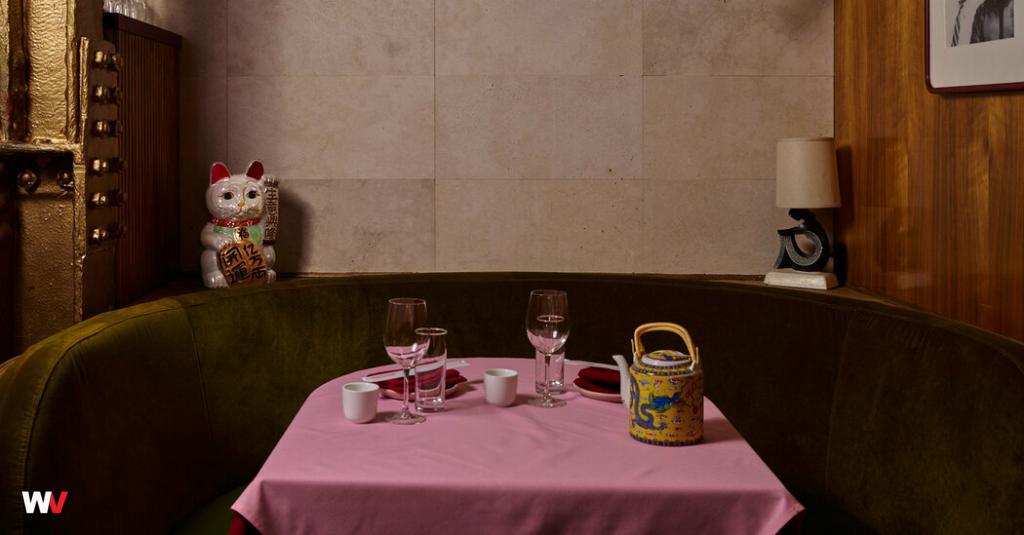
Cha Cha Tang takes inspiration from Hong Kong’s greasy spoon diners, but instead of Formica tabletops and fluorescent lights, there are emerald green velvet banquettes and baby pink tablecloths.Credit…Don Ahn
These dishes are a far cry from the typical, westernized Cantonese staples that were invented by immigrants from southernChina’s Guangdong province, who primarily settled in California in the 1800s. As many moved eastward across the United States in the subsequent decades, they adapted their cuisine to the ingredients — and tastes — of their surroundings, incorporating more sugar and meat than would be used in Guangdong. This fare would become the foundation of what we now call Chinese American food and has defined the cuisine internationally, too. Over the past few years, however, several new restaurants in the U.S. and abroad have begun offering refined Cantonese-inspired dishes with unexpected twists. Unlike their predecessors, these restaurants are unrestricted by geography or American culinary norms; instead, their recipes draw from their chefs’ cultural and personal histories, expanding casual, comfort meals into altogether more surprising experiences.
In China, Cantonese cuisine is known for its restraint, relying on aromatics like garlic and white pepper. Its flavors are subtle, especially compared with the regional fare that has dominated Chinatowns worldwide for the past decade: fiery, mouth-numbing Sichuanese dishes like dan dan noodles and mapo tofu; and the brash, chili-laced dishes of Northwestern China, like cinnamon- and anise-scented big tray chicken and biang biang noodles with cumin lamb. “There’s a particular emphasis on freshness [and] using very fine ingredients and subtle seasonings to bring out the character of the ingredients,” says Fuchsia Dunlop, a London-based food writer. “If you steam a fish, you’re just using a little bit of ginger, spring onion [and] soy sauce to frame the beauty of your ingredients.” She notes that the approach has a lot in common with the California cooking movement spearheaded in the 1970s by the chef Alice Waters, which drew from international techniques and flavors and inspired what is often, imprecisely, called New American cuisine: upscale dishes created with local meat and seasonal produce.