Wikknet
Greek Mythology
Embark on an odyssey through the captivating world of Greek mythology, exploring the pantheon of Olympian deities, legendary tales of demigods, enchanting mythical creatures, and the cosmic origins of the Greek universe. Unravel the cataclysmic clash of the ruling titans, divine the mysteries of ancient oracles, and discover the enduring influence of Greek myth on Western civilization.
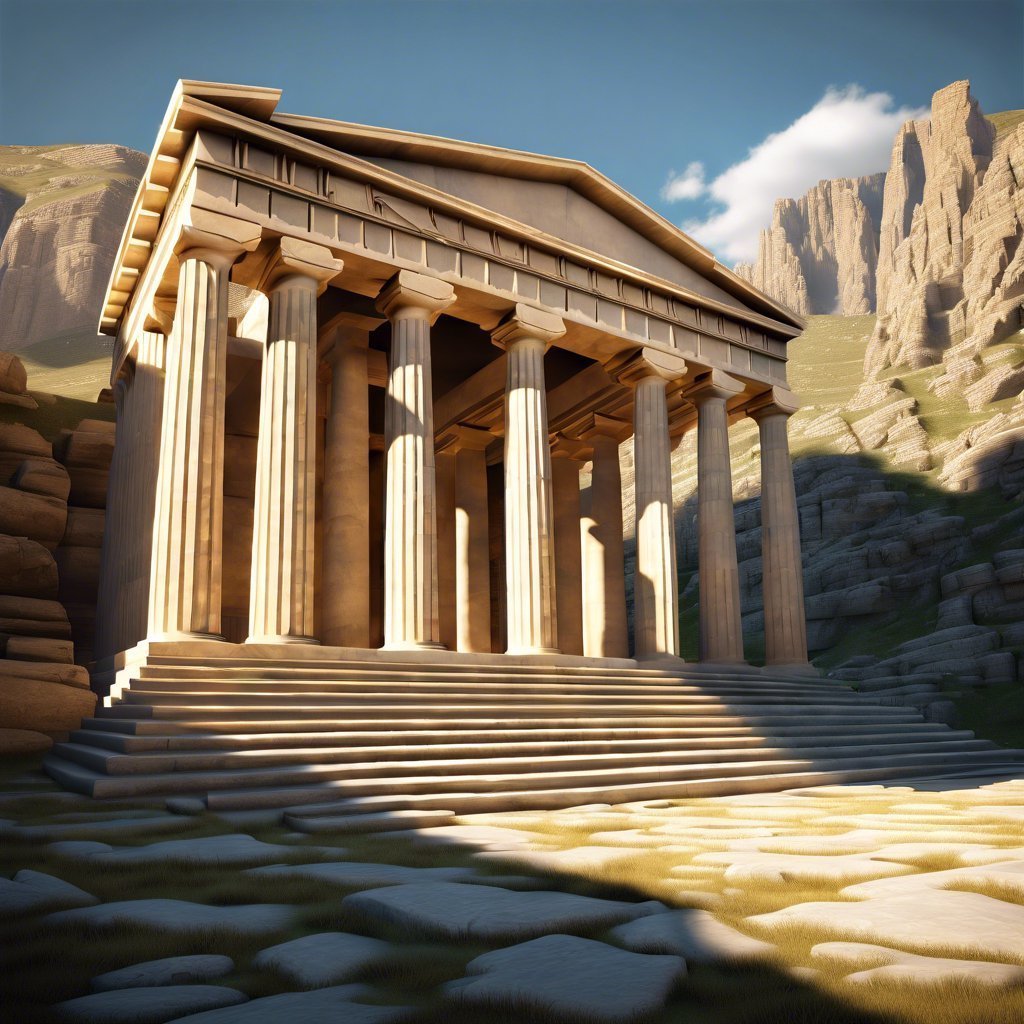
Pantheon of the Olympians: The Majestic Deities of Ancient Greece
The Olympian pantheon, a celestial hierarchy of deities, stands at the heart of Greek mythology, captivating the imaginations of both ancient and modern audiences. These majestic figures, each embodying a distinct aspect of the human experience, wield immense power over the natural and supernatural realms, shaping the destinies of mortals and immortals alike.
At the apex of this divine pantheon are the Twelve Olympians, a pantheon of gods and goddesses who reside atop Mount Olympus, the highest peak in ancient Greece. These deities, each with their own unique domains and personalities, include Zeus, Hera, Poseidon, Athena, Apollo, Artemis, Ares, Aphrodite, Hephaestus, Hermes, Demeter, and Dionysus.
The Olympian gods and goddesses are not merely abstract concepts but living, breathing entities that profoundly influence the lives of mortals. From Zeus, the king of the gods and master of the heavens, to Aphrodite, the goddess of love and beauty, each deity wields a unique power that shapes the course of human events, whether through divine intervention or the manifestation of their mythological archetypes.
- The realm of the sea, under the dominion of Poseidon
- The domain of wisdom and strategic warfare, presided over by Athena
- The celestial realm of the sun, music, and prophecy, governed by Apollo
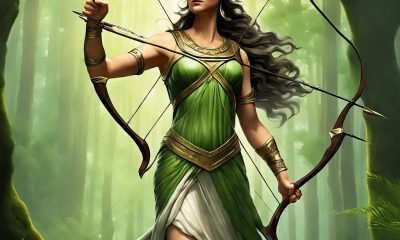
- The realm of the hunt, archery, and the wilderness, under the rule of Artemis
- The realm of love, beauty, and desire, presided over by Aphrodite
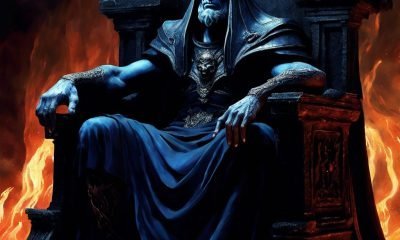
- The realm of the underworld, ruled by the enigmatic Hades
The Olympian pantheon is a rich tapestry of mythological narratives, each deity embodying a facet of the human experience and the natural world. Through their stories, the ancient Greeks sought to make sense of the complexities of the cosmos, the forces that shape their lives, and the eternal questions that have haunted humanity since the dawn of civilization.
Heroic Sagas: Legendary Tales of Demigods and Mortals
Embark on the legendary odyssey of Odysseus, the cunning hero who battles mythical creatures and endures the wrath of the gods to return home to his beloved Ithaca. Witness the thrilling adventures that unfold as Odysseus navigates treacherous seas, confronts the one-eyed Cyclops, and faces the temptation of the enchanting sirens.
Delve into the epic tale of the Trojan War, where mortals and deities clash in a grand conflict. Witness the heroic feats of Achilles, the mighty warrior, as he battles against the Trojans and their allies. Unravel the complex web of love, betrayal, and destiny that shapes the course of this legendary war.
Embark on the perilous quest of Perseus, the daring demigod, as he sets out to slay the fearsome Gorgon, Medusa. Witness his cunning and bravery as he navigates treacherous landscapes, outwits the gods, and ultimately triumphs over the Gorgon’s deadly gaze.
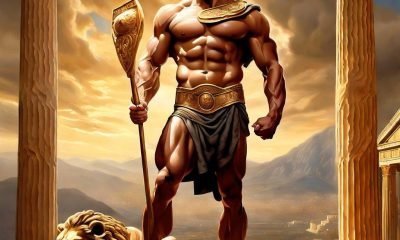
- Explore the twelve arduous tasks undertaken by the legendary hero, Heracles, as he seeks to atone for his past transgressions and earn the favor of the gods.
- From slaying the Nemean Lion to cleaning the Augean stables, witness the extraordinary feats that cement Heracles’ status as one of the most renowned demigods in Greek mythology.
Mythical Creatures: Unveiling the Enchanting Beasts of Greek Lore
The realm of Greek mythology is filled with a captivating array of fantastical beasts, each with its own unique characteristics and captivating narratives. From the mighty Minotaur, a fearsome creature with the head of a bull and the body of a man, to the enigmatic Sphinx, whose riddles have challenged the wits of many, these mythical entities have captured the imagination of people for centuries.
Among the most renowned mythical creatures are the Griffins, majestic hybrids with the body, tail, and back legs of a lion, combined with the head, wings, and front talons of an eagle. These powerful guardians were believed to protect vast treasures and valuable resources from those who sought to plunder them.
The Centaurs, half-human and half-horse beings, were known for their wild and untamed nature. While some were considered wise and scholarly, others were known for their unrestrained tempers and disruptive behavior, often causing chaos and mischief in the world of Greek mythology.
The captivating and perilous Gorgons, with their snakes for hair and the ability to turn onlookers to stone, have long been the subject of intrigue and fear. The most famous of these, Medusa, stands as a testament to the power and danger of these mythical creatures.
- The Chimera, a terrifying monster with the head of a lion, the body of a goat, and the tail of a serpent, was a formidable foe in Greek mythology.
- The Hippogriff, a majestic creature with the body, hind legs, and tail of a horse, combined with the head, wings, and front talons of an eagle, was a symbol of strength and grace.
- The Cerberus, the fearsome three-headed dog that guarded the gates of the Underworld, was a formidable guardian of the realm of the dead.
Primordial Beginnings: Unraveling the Cosmic Origins of the Greek Universe
In the beginning, there was only Chaos, a vast and formless void that existed before the creation of the universe. From this primordial chaos, the first deities emerged, including Gaia (the Earth), Tartarus (the underworld), and Eros (the god of love).
Next, Gaia gave birth to Uranus (the sky) and together they produced the Titans, a powerful race of deities that would come to rule the cosmos. Among the most notable Titans were Cronus, Rhea, Oceanus, and Tethys.

Cronus, the youngest and most cunning of the Titans, overthrew his father Uranus and became the ruler of the universe. Cronus then married his sister Rhea, and together they had several children, including the Olympian gods Zeus, Hera, Poseidon, and Hades.
Fearing a prophecy that one of his children would overthrow him, Cronus swallowed his children whole. However, Rhea managed to save the infant Zeus, who later grew up to challenge his father’s reign. With the help of his siblings, Zeus led a rebellion against the Titans and ultimately overthrew Cronus, ushering in the age of the Olympian gods.
- After the Titans were defeated, the Olympian gods set about the task of creating the cosmos, shaping the world and its inhabitants.
- Zeus became the ruler of the gods, presiding over Mount Olympus and wielding the power of lightning and thunder.
- Poseidon was given dominion over the seas, while Hades was assigned the underworld as his realm.
- The other Olympian gods, such as Hera, Athena, and Apollo, were also granted their own spheres of influence and responsibilities.
The rich and complex mythology of ancient Greece has endured for millennia, captivating audiences with its tales of gods, heroes, and the cosmic forces that shape the universe. From the primordial beginnings to the rise of the Olympian pantheon, the Greek myths continue to inspire and intrigue people around the world.
Odyssey of the Titans: The Cataclysmic Clash of the Ruling Deities
In the annals of Greek mythology, the Titanomachy stands as a pivotal moment, a cataclysmic clash that would forever shape the pantheon of the gods. This epic struggle pitted the mighty Titans, the ruling deities of the ancient world, against their offspring, the Olympian gods, led by the young and ambitious Zeus.
The Titans, led by the formidable Cronus, had long held sway over the cosmos, wielding their immense power with an iron fist. But their reign was marked by a dark and oppressive shadow, for Cronus had been warned that one of his own offspring would one day rise up and usurp his throne. Driven by this fear, the Titan lord swallowed his children whole, trapping them within his own body, ensuring that his reign would remain unchallenged.
Yet, the Olympian gods were not to be denied their rightful place. Aided by the cunning Metis, the goddess of wisdom, Zeus, the youngest of Cronus’ children, was spared from this fate. Raised in secret, Zeus grew in strength and resolve, eventually leading the charge against his tyrannical father and the Titans.
The ensuing Titanomachy was a clash of cosmic proportions, a war that shook the very foundations of the universe. The Olympians, armed with their newfound powers and the wisdom of the ages, fought with unwavering determination against the Titans, who wielded the might of the primordial forces.
- The skies thundered with the clash of divine weapons, as Zeus hurled his mighty thunderbolts against the Titans.
- Poseidon, god of the seas, unleashed the fury of the oceans, drowning the Titans in a maelstrom of raging waters.
- Hades, lord of the underworld, opened the earth to swallow the Titans, trapping them in the depths of the abyss.
The battle raged on for years, a cosmic dance of power and destruction, until finally, the Olympians emerged victorious, securing their place as the new rulers of the pantheon.
Oracles and Prophecies: Divining the Mysteries of the Ancient Greek World
In the ancient Greek world, the oracle was a revered and mysterious institution that held sway over the destinies of individuals, cities, and even entire civilizations. These sacred sites, such as the renowned Oracle of Delphi, were believed to be the conduits through which the gods communicated their wisdom and foretold the future.
At the heart of the oracle system were the prophets, often women, who were believed to be possessed by the divine spirit and capable of channeling the will of the gods. These Pythia, as they were known, would enter a trance-like state and deliver cryptic, ambiguous responses to the questions posed by those seeking guidance.
The prophecies of the oracles were highly sought after by kings, generals, and even ordinary citizens, who believed that by understanding the will of the gods, they could shape their own destinies and the course of history. However, the ambiguity of the oracles’ pronouncements often led to complex interpretations and unexpected consequences, as individuals and states sought to divine the true meaning of the divine message.
As the ancient Greek world evolved, the influence and relevance of the oracles began to wane. The rise of more rational, scientific modes of thought, as well as the changing political and social landscapes, gradually eroded the power and mystique of these once-revered institutions. Yet, the legacy of the oracles and their prophecies continues to captivate the imaginations of scholars and enthusiasts alike, serving as a testament to the enduring allure of the mysteries of the ancient Greek world.
- The Oracle of Delphi: The most famous of all Greek oracles, associated with the god Apollo and the Pythia, whose enigmatic pronouncements shaped the course of ancient Greek history.
- The Oracle of Zeus at Dodona: An ancient oracle devoted to the king of the gods, Zeus, where prophecies were delivered through the rustling of oak leaves.
- The Oracle of Trophonius: A chthonic (underworld) oracle where visitors descended into a cave to receive visions and prophecies.
Eternal Legacies: The Enduring Influence of Greek Mythology on Western Civilization
Greek mythology, a tapestry of captivating tales, has woven its way into the fabric of Western civilization, leaving an indelible mark that continues to inspire and enchant people across the globe. These ancient stories, passed down through the centuries, have not only shaped the artistic and literary landscapes but have also profoundly influenced our understanding of the human experience.
At the heart of Greek mythology lie the gods of Mount Olympus, a pantheon of powerful deities who personify the forces of nature, human emotions, and the very essence of existence. From the mighty Zeus, the king of the gods, to the wise and strategic Athena, the goddess of wisdom, each deity represents a unique aspect of the human condition, offering insights into the complexities of the human experience.
Greek mythology is also renowned for its captivating tales of heroic journeys and legendary feats. The odyssey of Odysseus, the cunning and resilient hero of the Trojan War, has captivated audiences for millennia, as have the labors of the mighty Hercules and the tragic tale of Oedipus. These stories not only entertain but also grapple with universal themes of love, loss, redemption, and the human struggle against the capricious forces of fate.
The enduring influence of Greek mythology on Western civilization is undeniable. From the architectural wonders of ancient Greece to the literary masterpieces that have stood the test of time, these mythological narratives have left an indelible mark on our collective consciousness. The gods, heroes, and stories of Greek mythology continue to be referenced in art, literature, and even modern popular culture, serving as a testament to the timeless appeal and relevance of these timeless tales.
- The rich tapestry of Greek mythology offers profound insights into the human condition, exploring themes of morality, justice, and the complexities of the human experience.
- These ancient stories continue to inspire artists, writers, and thinkers, providing a wellspring of creativity and a deeper understanding of our shared cultural heritage.
- The enduring legacy of Greek mythology serves as a reminder of the enduring power of storytelling and the ability of these timeless tales to transcend the boundaries of time and space.
Mythological Archetypes: Exploring the Timeless Symbols and Archetypes of Greek Myth
Greek mythology is a rich tapestry of timeless stories and archetypes that have captivated the human imagination for millennia. These mythological narratives not only provide a glimpse into the beliefs and values of ancient Greek civilization but also reveal universal themes and symbols that continue to resonate with people across cultures and throughout history.
At the heart of Greek mythology lie a set of powerful archetypes that serve as the building blocks of these timeless tales. These archetypes represent universal patterns of human behavior, emotions, and experiences, and they can be found in the stories of the gods, heroes, and mythical creatures that populate the Greek pantheon.
One of the most prominent archetypes in Greek mythology is the hero’s journey. This narrative pattern, which has been identified and analyzed by scholars such as Joseph Campbell, follows the adventures of a protagonist as they embark on a transformative quest, face challenges and obstacles, and ultimately return home transformed. Odysseus, Hercules, and Perseus are just a few examples of Greek heroes who undertake this archetypal journey.
Another significant archetype in Greek mythology is the archetypal goddess. Figures such as Athena, Aphrodite, and Artemis represent different aspects of the divine feminine, embodying qualities such as wisdom, love, and independence. These goddesses often serve as guides, protectors, and catalysts for the heroes’ journeys, highlighting the importance of the feminine principle in Greek mythological narratives.
The trickster archetype is also prevalent in Greek mythology, represented by characters such as Hermes and Prometheus. These figures embody the mischievous, clever, and sometimes subversive aspects of human nature, challenging the established order and bringing about change through their cunning and deception.
Greek mythology is also rich in symbolic imagery and archetypes that transcend the boundaries of these ancient tales. From the Labyrinth as a metaphor for the complexities of the human psyche to the Underworld as a representation of the realm of the subconscious, these mythological symbols continue to be explored and interpreted by scholars, artists, and storytellers alike.
The enduring power of Greek mythology lies in its ability to capture the universal human experience through the lens of timeless archetypes and symbols. By exploring these mythological narratives, we can gain a deeper understanding of the shared experiences, aspirations, and challenges that have shaped the human condition across cultures and throughout history.
Pantheon of the Underworld: The Enigmatic Deities and Realms of the Dead
In the intricate tapestry of Greek mythology, the Underworld stands as a realm shrouded in mystery and reverence. This domain, often referred to as Hades, is the abode of the dead, where the souls of the departed find their final resting place. Presided over by the enigmatic god Hades and his queen, Persephone, the Underworld encompasses a complex hierarchy of deities, spirits, and realms, each with its own unique significance and purpose.
At the heart of the Underworld’s pantheon stands the formidable figure of Hades, the ruler of this domain. Hades, often depicted as a stern and unyielding figure, is responsible for overseeing the souls of the dead and maintaining the delicate balance between the living and the dead. Alongside him, his wife Persephone, the daughter of the goddess Demeter, plays a crucial role as the Queen of the Underworld, her presence a symbol of the cyclical nature of life and death.
- The Elysian Fields: This idyllic realm is reserved for the virtuous and heroic, where they enjoy a peaceful and blissful afterlife.
- The Asphodel Meadows: A vast, nondescript region where the souls of the ordinary and unremembered reside, neither punished nor rewarded.
- The Tartarus: The deepest and most terrifying region of the Underworld, where the most wicked and impious are subjected to eternal torment and punishment.
- The River Styx: This eerie river, guarded by the ferryman Charon, marks the boundary between the world of the living and the realm of the dead.
The Underworld, with its enigmatic deities and realms, stands as a profound and captivating aspect of Greek mythology, embodying the human fascination with the mysteries of death and the afterlife.
Mythical Landscapes: Unveiling the Enchanted Realms and Environments of Greek Mythology
The ancient Greek myths are renowned for their captivating narratives, but beyond the iconic characters and legendary tales lies a rich tapestry of mythical landscapes that have captured the imagination of people for millennia. These enchanted realms, woven into the fabric of Greek mythology, serve as the stage upon which the gods, heroes, and monsters of antiquity play out their timeless dramas.
At the heart of the Greek pantheon stands the majestic Mount Olympus, the lofty abode of the mighty Olympian gods. Towering over the mortal realm, this awe-inspiring mountain is said to be the meeting place of the divine council, where the immortal deities convene to deliberate on the affairs of mortals and immortals alike.
Beneath the surface of the living world lies the Underworld, a realm of shadows and the departed, ruled over by the formidable god Hades. This mysterious realm, accessible through various portals scattered across the Greek landscape, is the final resting place for the souls of the dead, where figures such as Orpheus and Persephone have ventured in search of their loved ones.
- The Aegean Sea, dotted with countless islands, is home to a multitude of enchanted realms, each with its own unique mythos and legends.
- The island of Crete, for instance, is the legendary birthplace of Zeus and the site of the intricate Labyrinth, where the fearsome Minotaur once roamed.
- The Cycladic islands, with their stark, dramatic landscapes, have been imbued with the presence of deities such as Poseidon and Aphrodite.
Beyond the towering mountains and island sanctuaries, the Greek landscape is dotted with mystical forests and winding rivers, each with their own distinct mythological significance. The Delphi, home to the renowned Oracle, is nestled amidst the slopes of Mount Parnassus, while the Styx, the river of the Underworld, is said to separate the realm of the living from the realm of the dead.
These mythical landscapes, with their awe-inspiring grandeur and mystical allure, have captivated the human imagination for centuries, serving as a testament to the enduring power and enduring legacy of Greek mythology.