Magazine
Why Cakes Can Be a Powerful Form of Protest
LONG BEFORE WOMEN finally — though incompletely — won the right to vote in the United States in 1920, they were finding ways to influence politics. In late 18th-century New England, colonial women would make muster cakes — spiced, doorstop-heavy …
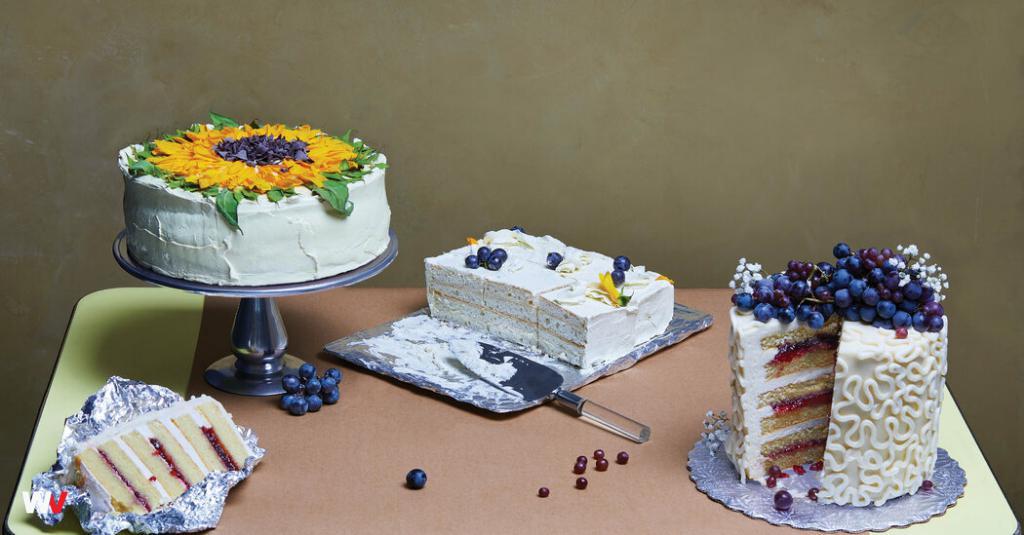
LONG BEFORE WOMEN finally — though incompletely — won the right to vote in the United States in 1920, they were finding ways to influence politics. In late 18th-century New England, colonial women would make muster cakes — spiced, doorstop-heavy confections flecked with candied fruit and soaked in alcohol — for soldiers being gathered (or “mustered”) to fight in the Revolutionary War. Later, women baked what became known as election cakes to potentially encourage voters to back causes that they cared about. In the late 19th and early 20th centuries, suffragists included several such recipes in the cookbooks that they published — volumes that featured quotes from famous supporters alongside sometimes satirical recipes such as Pie for a Suffragist’s Doubting Husband, the crust of which was to be mixed with “tact and velvet gloves.” For the suffragists, cookbooks were “a tool largely to convince men that they had no plans of leaving the kitchen,” says KC Hysmith, 35, a North Carolina-based recipe developer and culinary historian. “The rhetoric used against them was: If women get the vote, they’re going to leave you to cook your own food.”
Today a new generation of protest bakers — making cakes in support of rights once again under threat — are interested less in appeasement than in subverting a symbol of domestic labor, in the style of second-wave feminist artists like Mary Kelly, who has used dirty diapers and laundry lint in her work. Among them are Hysmith, who pipes messages like “Flip the Senate” and “Abortion Saves Lives” atop simple vanilla sheet cakes and flower-adorned chocolate sponges, and the Texas-based Becca Rea-Tucker, 32, who uses her popular Instagram account, @thesweetfeminist, to campaign for reproductive health care. In Virginia, the baker Arley Bell, 34, posts pastel buttercream-slathered layer cakes inscribed with the names of police violence victims on her Instagram page (@arley.cakes), offering to send the sweets to followers who donate to GoFundMe campaigns for victims’ families. “It’s not just about a pretty cake,” she says. “The real beauty is in the action I’m trying to inspire.”
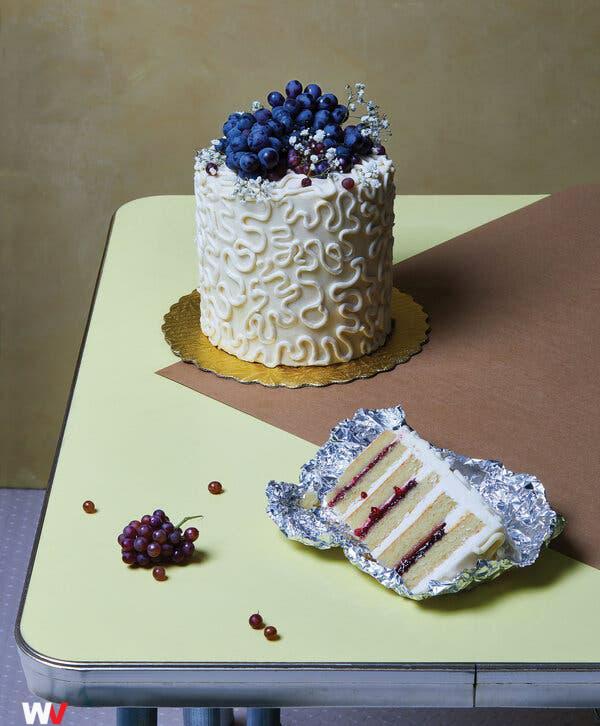
The pastry chef Paola Velez’s six-layer cake, which is topped with Concord grapes and baby’s breath, draws on the colors of the suffragists: purple, green and white.Credit…Photograph by Esther Choi. Set design by Adrian Ababović
“Raising money through baking is an act of defiance against feminine stereotypes,” says Paola Velez, a 33-year-old Washington, D.C.-based pastry chef and the author of the new cookbook “Bodega Bakes.” She turned to culinary activism as a young line cook in New York City, where she sold honey-lemon cookies and miniature raspberry delight cupcakes to fund the purchase of feminine hygiene products for women in need. In 2020, she co-founded Bakers Against Racism, which has since raised over $2.5 million for civil rights organizations; in 2022, when Roe v. Wade was overturned, she launched Protect Our Bodies to raise money to support abortion rights funds. Since 2017, the New York-based pastry chef Natasha Pickowicz, 39, has raised several hundred thousand dollars with her bake sales, at which pastry chefs from restaurants including Le Bernardin and Frenchette in New York and Los Angeles’s Sqirl sell offerings like chocolate marmalade cakes and honeycomb-cacao cookies in aid of reproductive rights. “Instead of losing yourself in this larger moment of existential angst,” she says, “bringing together even a small group of people for this kind of event can be very energizing.”
Ask our editors to find gifts for the hardest-to-please people on your list. Click here to submit a question by Oct. 18, and we’ll respond to the most intriguing ones in our Nov. 13 and 20 newsletters. (If you aren’t already subscribed, you can sign up here.)