
Magazine
An Australian Island With ‘Wild’ Saunas and Pagan Festivals
T’s monthly travel series, Flocking To, highlights places you might already have on your wish list, sharing tips from frequent visitors and locals alike. Sign up here to find us in your inbox once a month, and to receive our weekly T List newsletter …
T’s monthly travel series, Flocking To, highlights places you might already have on your wish list, sharing tips from frequent visitors and locals alike. Sign up here to find us in your inbox once a month, and to receive our weekly T List newsletter. Have a question? You can always reach us at tlist@nytimes.com.
Before Australia’s East Coast burnished its reputation as a haven of sun, sand and sea, it was the temperate climate of Tasmania, the country’s largest island, that lured visitors from across the British Empire. Sometimes called the “sanitarium of the south,” it was noted for its salubrious climes, which were considered an antidote to havoc wrought on delicate constitutions by tours in the equatorial colonies. Some two centuries later, the heart-shaped landmass 150 miles off the mainland’s southeast coast is still seen as a place of invigorating isolation.
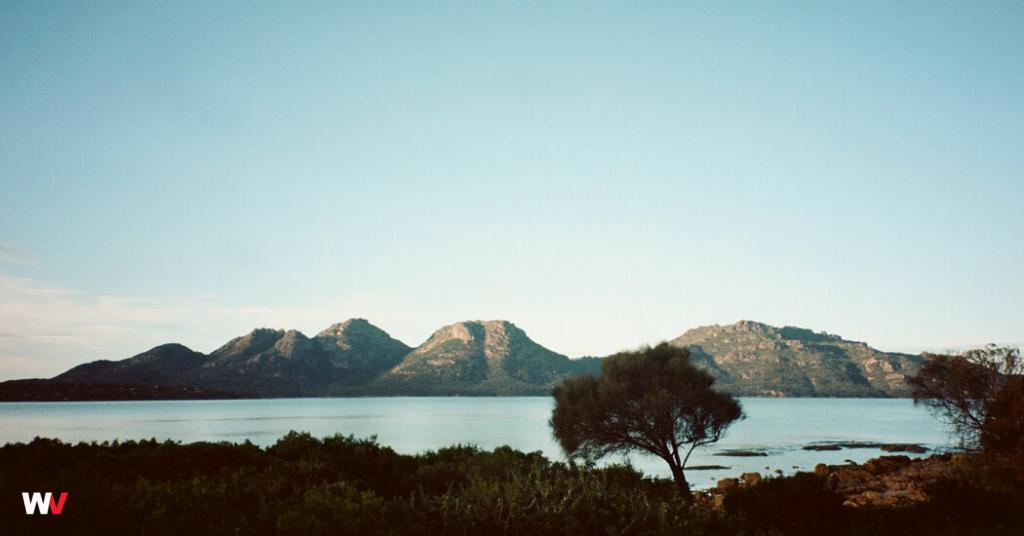
Roughly the same size as West Virginia, with a population of just over half a million, Tasmania is a patchwork of pastures and wilderness surrounded by rugged coastlines and windswept bays. About 50 percent of the island is protected from development; nearly a quarter is World Heritage listed.
The island’s antipodean charms and violent history have long captured the imagination of artists. William Charles Piguenit, born a convict’s son in Hobart, the Tasmanian capital, in 1836, saw his depictions of the island’s landscape shown in Paris and London around the turn of the 20th century and is widely regarded as one of Australia’s first artists of note. Throughout the 20th century, fine art continued to flourish in Tasmania. The Polish sculptor Ewa Pachucka and the Czech painter Tom Samek were among a slew of international and interstate artists who took up residence there.
In recent decades, a new wave of creative professionals have descended on the remote island. In its West Coast region, Queenstown, a former mining town of fewer than 2,000 residents, has become an unlikely hub for artists and home to the Unconformity, a biennial contemporary arts festival. But it was the improbable addition of MONA (the Museum of Old and New Art), which opened in Hobart in 2011, that cemented the island’s credibility as an international art destination. The brainchild of David Walsh, a prodigious professional gambler and irreverent art collector who grew up in the nearby suburb of Glenorchy, this concrete and steel bastion on the banks of the Derwent River currently contains more than 450 antiquities and avant-garde artworks.
Here we ask four locals for their tips on how to make the most of a sojourn to the real deep south.