

General
Thomas Gaither, Who Chose Jail After Civil Rights Sit-ins, Dies at 86
When he and other Black protesters were arrested at a whites-only lunch counter in 1961, they tried a new strategy — ‘Jail No Bail’ — and energized a movement.
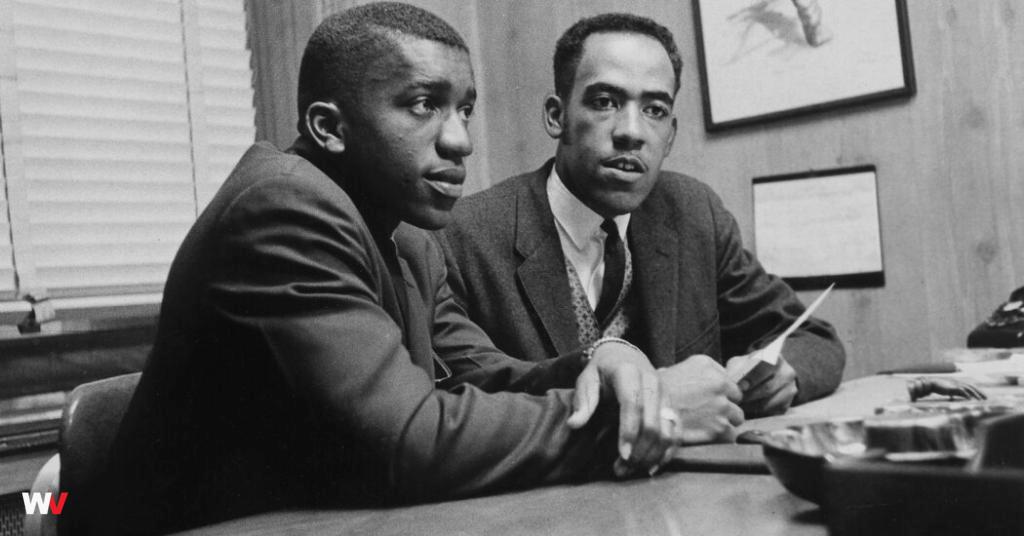
The sit-in movement that began at a whites-only lunch counter in Greensboro, N.C., in 1960 and soon spread to other cities, pricking the nation’s conscience over racial segregation, was in danger of losing momentum one year later.
In Rock Hill, S.C., local businesses still refused to integrate, despite the sit-ins. The local news no longer covered them.
Then, in 1961, a 22-year-old organizer, Thomas Gaither, introduced a new tactic. In the next sit-in, at the lunch counter of a McCrory’s dime store in Rock Hill, Black students led by him were dragged off counter stools by police officers. But this time, instead of paying a $100 trespassing fine, as earlier protesters did, they chose to serve 30-day sentences on the county chain gang.
Their “jail no bail” tactic dramatized their moral commitment and changed the direction of the civil rights movement. Within days, protesters in other cities followed suit, their incarceration drawing more attention and protests.
The choice of jail, the historian Taylor Branch wrote in “Parting the Waters: America in the King Years 1954-63,” was “an emotional breakthrough for the civil rights movement” because it dramatized protesters’ willingness to pay a real price for their convictions.





