General
Psst, Musk, Look Over Here
There’s one bloated federal government agency that routinely hands out money to millionaires, billionaires, insurance companies and even members of Congress. The handouts are supposed to be a safety net for certain rural business owners during tough …
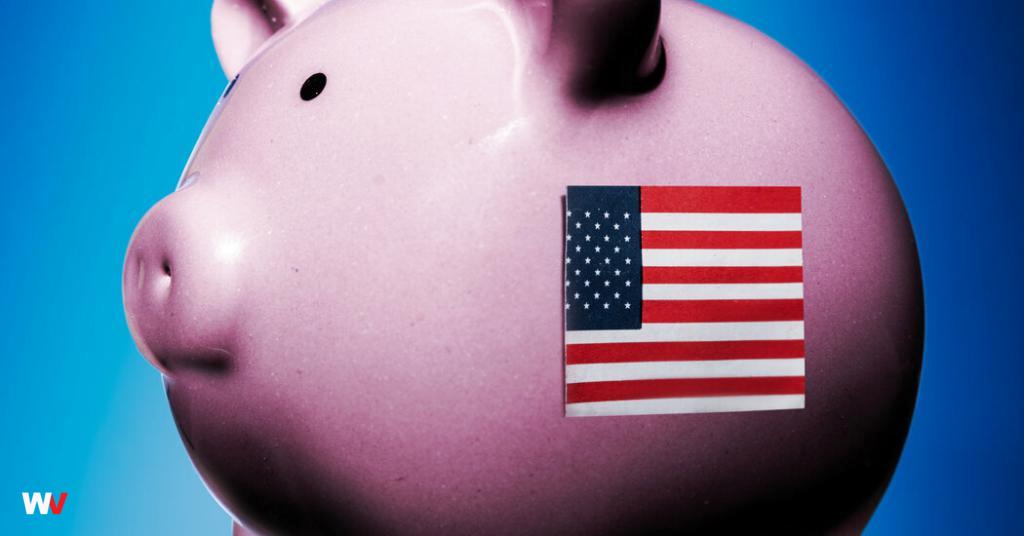
There’s one bloated federal government agency that routinely hands out money to millionaires, billionaires, insurance companies and even members of Congress. The handouts are supposed to be a safety net for certain rural business owners during tough years, but thousands of them have received the safety-net payments for 39 consecutive years. And tens of thousands of those recipients are actually city dwellers, including a resident of a Palm Beach mansion down the street from President Trump’s Mar-a-Lago resort.
The bureaucracy in question is the Department of Agriculture, and it’s exactly the kind of dysfunctional behemoth that Elon Musk and his waste-whackers at the Department of Government Efficiency, in their new advisory role, ought to recommend for downsizing and reform. Even though only 1 percent of Americans farm, the U.S.D.A. employs five times as many people as the Environmental Protection Agency and occupies nearly four times as many offices as the Social Security Administration.
So far, Mr. Musk’s minions inside the U.S.D.A. have most prominently targeted its nobler activities, including efforts to prevent wildfires and food contamination, respond to the avian flu, improve animal welfare and study methods to make agriculture more productive and less environmentally damaging. President Trump’s agriculture secretary, Brooke Rollins, suggested last month that the administration expects to make cuts to food stamps for low-income Americans.
Maybe they’ll find some waste in that program. But the real problem with the U.S.D.A. is that its subsidy programs redistribute well over $20 billion a year from taxpayers to predominantly well-off farmers. Many of those same farmers also benefit from subsidized and guaranteed loans with few strings attached, price supports and import quotas that boost food prices, lavish ad hoc aid packages after weather disasters and market downturns as well as mandates to spur production of unsustainable biofuels. A little reform to this kind of welfare could go a long way toward reassuring skeptics that the administration’s efficiency crusade isn’t only about defunding its opponents and enriching its supporters.
It was President Abraham Lincoln who created the U.S.D.A. for the express purpose of supporting American farmers long before they became a reliable Republican voting bloc. In Mr. Lincoln’s day, a majority of Americans farmed, so the so-called People’s Department truly supported the people. Today, far more Americans work in stores or offices or factories than on farms. But there’s still a plausible argument that food producers need protection from catastrophic risks to ensure a stable and affordable food supply.
Unfortunately, the current safety net is more like an automatic profit generator for row-crop farmers in good years as well as bad. The problems begin with the supposedly “countercyclical” agricultural subsidies that were conceived during the New Deal to get struggling farmers through future Dust Bowls but have become a perennial entitlement for growers of the Big Five commodities — corn, soy, cotton, wheat and rice. The Environmental Working Group has documented that 10,000 farmers have received those payments every year for four decades — even though the average food stamp recipient receives aid for under a year. And the payments are structured by farm size, so the top 10 percent of subsidy recipients receive three-quarters of the subsidies.