General
High Food Prices: The Causes and the Politics
More from our inbox: The Decision Not to Pick Josh ShapiroPreparing for Campus ProtestsCrypto’s Political PowerCredit…Will Newton for The New York TimesTo the Editor: Re “Examining Rising Prices of Groceries” (Business, Aug. 14): This article is …
More from our inbox:
- The Decision Not to Pick Josh Shapiro
- Preparing for Campus Protests
- Crypto’s Political Power

Credit…Will Newton for The New York Times
To the Editor:
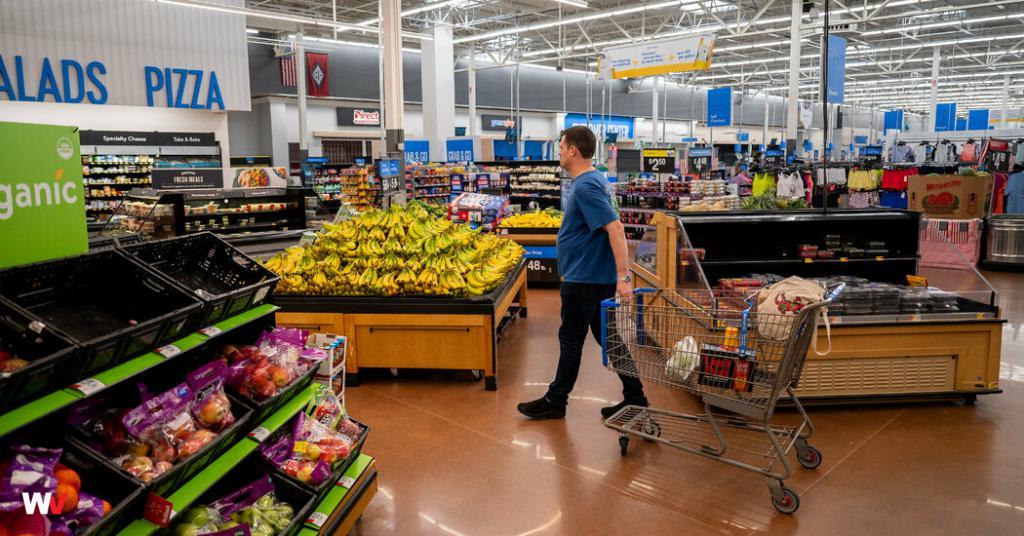
Re “Examining Rising Prices of Groceries” (Business, Aug. 14):
This article is absolutely right to frame the topic as a ballot box issue. But it misses the mark when allocating blame.
High food prices are not simply a result of inflationary forces. They are also enabled by decades of unwillingness in Washington to combat the growing food monopolies profiting off fragile supply chains, unfair labor practices and price gouging.
Even as inflation slows, Food & Water Watch research shows that food prices (and corporate profits) remain high. From 2020 to 2024, the monthly grocery bill for a thrifty family of four grew 50 percent, while the largest grocery chains saw revenue skyrocket by as much as 36 percent.
Luckily, the Biden-Harris administration has shown seriousness about challenging the food monopolies. The new and proposed Packers and Stockyards Act rules will help farmers earn fair prices, while new merger guidelines will help rein in rogue monopoly power.
Americans are looking to Democrats to carry this impressive antitrust agenda forward. Our grocery budgets are counting on it.
Rebecca Wolf
Washington
The writer is the senior food policy analyst at Food & Water Action, the political arm of Food & Water Watch.