

General
Charles Handy Dies at 92; Philosopher Envisioned Today’s Corporate World
Joining a pantheon of management thinkers, he embraced a humanistic path for business and foresaw outsourcing, remote work and a gig economy.
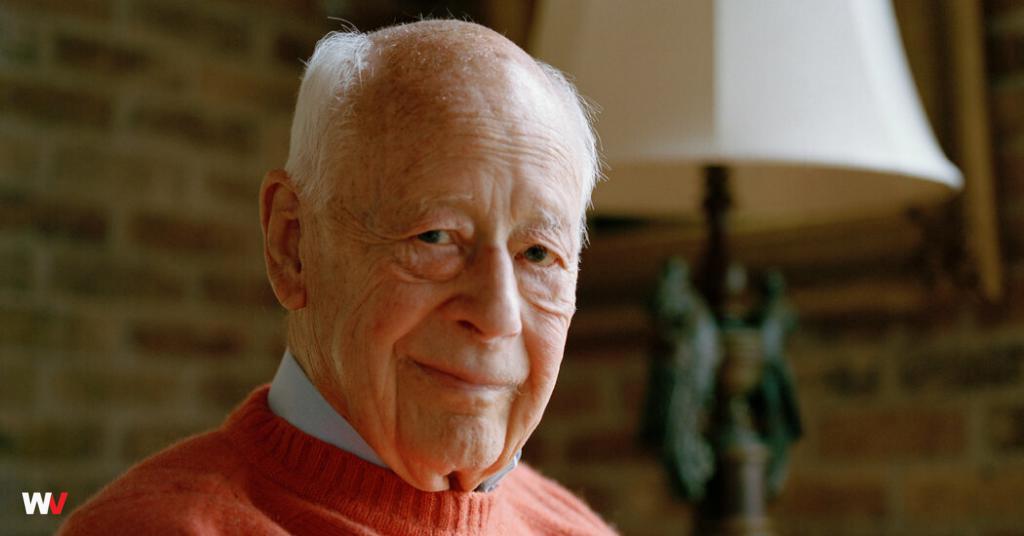
Charles Handy, a writer, social philosopher and management theorist who presciently imagined a brave new corporate world where employees worked remotely, jobs were outsourced and workers had “portfolio careers,” working for themselves and contracting their skills to companies, died on Friday at his home in London. He was 92.
His son, Scott, confirmed the death.
Mr. Handy, the son of an Irish Protestant vicar, brought a humanistic social philosophy to the business world with the unconventional suggestion that corporations were too focused on profit at the expense of the individual and the human aspect of work.
He said businesses should behave like communities or villages, treating employees like citizens who have rights and privileges and a share in the profits. It was just common sense, he reasoned, that people were more likely to be committed to their work and a company’s mission if they had a hand in shaping it.
Ranked among a pantheon of management thinkers that includes Peter Drucker, Tom Peters, Michael Porter and Warren Bennis, Mr. Handy predicted organizational trends years before they materialized as corporate realities.
His seminal 1989 book, “The Age of Unreason,” which put him on the map as a management expert and provocative prophet, described the late 20th century as being in the midst of what he called “discontinuous” change — profound social and economic shifts that were transforming business, education and the very nature of work and rendering the past as a useless guide for navigating what comes next.
He predicted decentralized, community-oriented “federal organizations,” in which a small corporate headquarters served the needs of diverse and far-flung business units. The corporate center would retain key financial control, but the creative and production energy would lie with workers who were closest to the customers.