

Fashion
When the Wild Child Egon Schiele Grew Up
Some of the artist’s most psychologically insightful work came in the final years of his life — a mature period cut short by a pandemic.
On Oct. 27, 1918, Egon Schiele sketched his wife, Edith, pregnant and feverish in bed. She died from influenza the next day. He died three days later.
Edith, 25, and Egon Schiele, 28, were two of an estimated 50 million victims of the flu pandemic that began sweeping through Europe that year. For almost a decade, Schiele had depicted his intimate life in artworks, creating some 3,000 drawings and 400 paintings, and he continued drawing until the end.
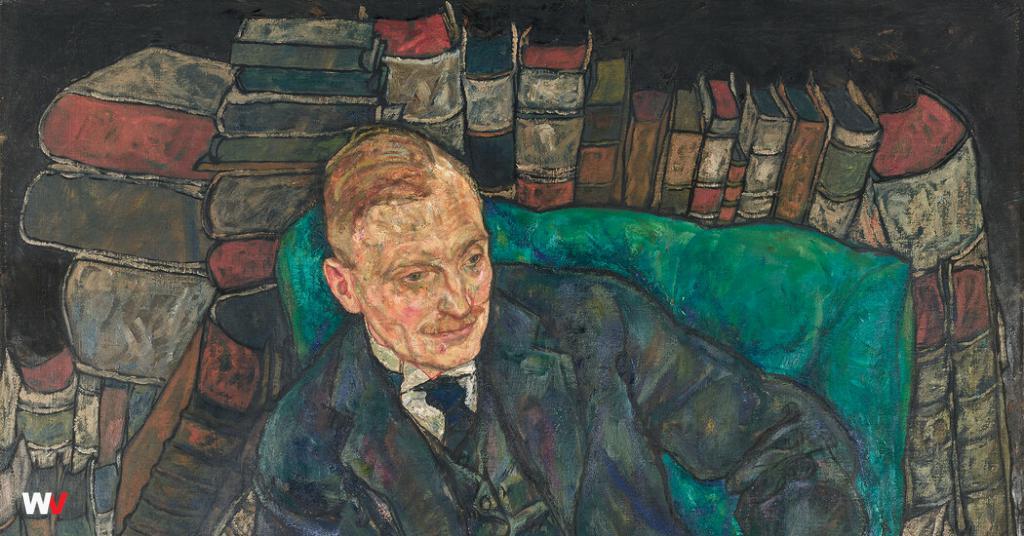
Today, Schiele is often associated with the erotically charged nude portraits he made from the moment he dropped out of Vienna’s Academy of Fine Arts in 1909 until about 1914. His more mature and sober works are often overlooked, said Kerstin Jesse, a senior curator at the Leopold Museum in Vienna.
A new exhibition at the museum, “Changing Times: Egon Schiele’s Last Years, 1914–1918,” which opens Friday and runs through July 13, attempts to change that. Some 130 original works by the artist, as well as dozens of personal documents, provide a new glimpse into Schiele’s late career.
“I wouldn’t say that the later work is better than the earlier work, or vice versa,” said Jane Kallir, who curated the exhibition with Jesse. “They’re just very distinctly different periods in Schiele’s life and in his creativity.”





