Fashion
Can Male Authors Publish Books Under Female Names?
The magazine’s Ethicist columnist on what is acceptable when trying to increase book sales.
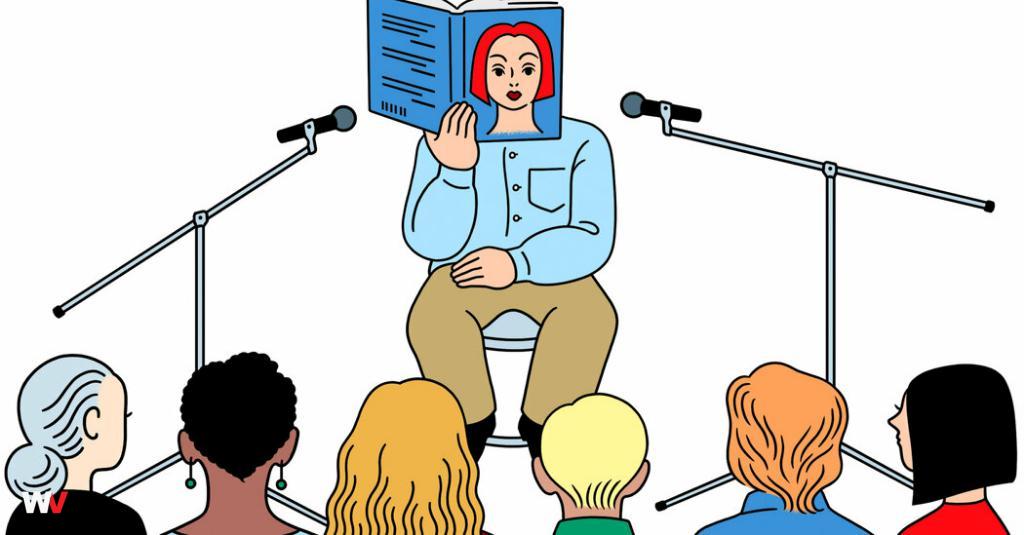
I’ve recently heard some sharp comments from friends about male authors publishing books under female names. The pseudonyms are sometimes gender-neutral, but in genres dominated by women, readers assume that these writers are women too.
I know there are historical examples of the inverse: female writers using male names or gender-neutral names that are assumed to be male. But are these equivalent? Whatever difficulty male authors may face in majority-female literary genres today cannot compare to women’s historical struggle to live a public life. Is it unethical for these male authors to present themselves this way? — Name Withheld
From the Ethicist:
The longstanding asymmetry you note points to a woeful history. Women have taken male pen names to be read as writers rather than dismissed as female writers. When men have written under female names, by contrast, the motive has often seemed tilted toward manipulation — a way to gain access to female readerships or to game the market. It can feel like stolen valor.
Consider Lawrence Block, who churned out lesbian pulps in the 1950s and ’60s under the names Jill Emerson and Lesley Evans (“Strange Are the Ways of Love”), the better to titillate the men he was targeting. Or male authors of romance novels about women, like Thomas E. Huff, who wrote as the megaselling Jennifer Wilde (“Love’s Tender Fury”). Romance publishers have long pushed men in the genre to adopt female names.
But is the basic narrative here — women evade, men invade — a little pat? It’s certainly true that, in recent years, some men writing mainstream trade fiction have obscured their gender in an effort to help their chances. When Todd Ritter found his fiction fizzling, he had to reboot his career and chose to use a gender-neutral pseudonym, Riley Sager. Women apparently buy most books, especially fiction, and the data shows that new female authors outsell their male counterparts. (These days, an Ellis Bell might adopt Emily Brontë as a pen name.) Readers often shrug when these identities are revealed — after all, Jennifer Wilde’s books kept selling even after the truth came out. But as you note, the reaction isn’t always so easygoing.
An interesting comparison is with women who write genre fiction about gay men. Tony Fennelly, when publishing a debut mystery about a gay sleuth, let its packaging blur her gender and only later outed herself — in the letters section of this newspaper. After her book did well, she wrote: “The truth can be known. I am (as my husband has suspected for years) entirely female.” A decade ago, as Reddit records, some gay men were flummoxed when Josh Lanyon, a prolific author of gay genre fiction, turned out to be one Laurie Gold; a male competitor even accused her of catfishing. Then her male fans took a beat and came to grips with the truth: There was nothing about their lives that a woman couldn’t capture.