Entertainment
Worried the World Is Falling Apart? That’s OK. It’s Happened Before.
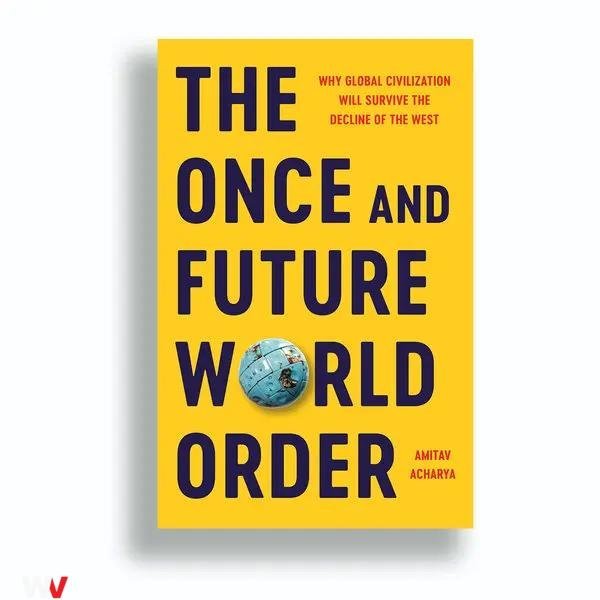
THE ONCE AND FUTURE WORLD ORDER: Why Global Civilization Will Survive the Decline of the West, by Amitav Acharya THE GOLDEN ROAD: How Ancient India Transformed the World, by William Dalrymple For readers of The New York Times who are disheartened by …
THE ONCE AND FUTURE WORLD ORDER: Why Global Civilization Will Survive the Decline of the West, by Amitav Acharya
THE GOLDEN ROAD: How Ancient India Transformed the World, by William Dalrymple
For readers of The New York Times who are disheartened by the world’s prospects in a moment of American retreat, ancient history may seem an unlikely consolation. And yet, Amitav Acharya, a professor of international relations at American University and the author of “The Once and Future World Order,” thinks looking to the past will reveal that the ongoing collapse of the economic, political and cultural organization of the globe today is no cause for despair.
While the present world order was imposed by the West through colonial conquest, Acharya tells us, “a kind of arrogance and ignorance” has led us to forget that “the political architecture enabling cooperation and peace among nations” has existed for a long time and in many places.
Beginning with Sumer and ancient Egypt, Acharya offers an erudite overview of 5,000 years of world history to show how different cultures developed varying but comparable ideas of empire, great power politics and intellectual exchange that mediated relations across continents until the relatively recent and disruptive rise of the West to global dominance.
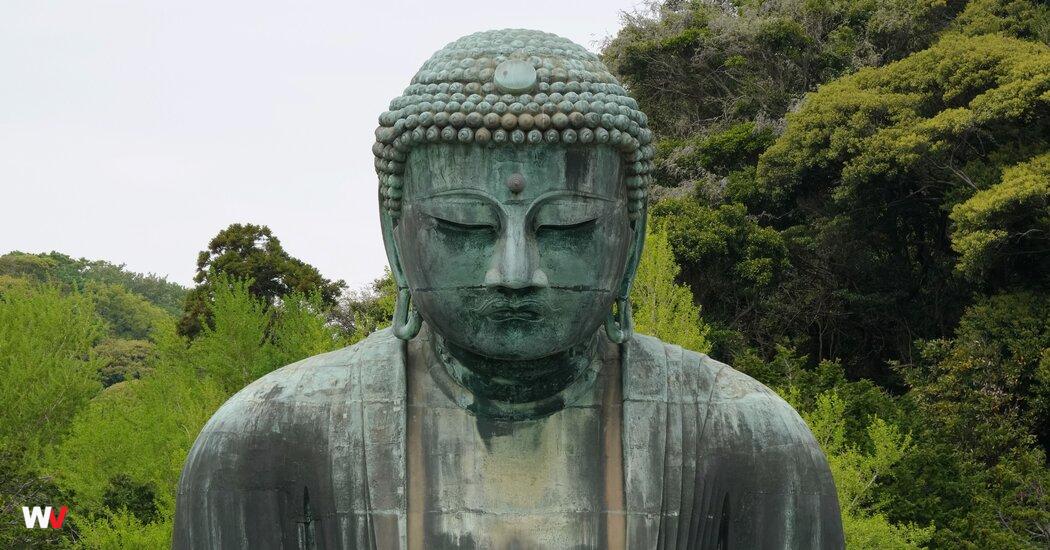
Acharya doesn’t claim that a future world order is necessarily going to be a huge improvement, but he believes that “the decline of Western dominance could alleviate the conflicts and injustice it had caused.” He is rightly critical of the “widespread tendency” to judge progress by the standards of a Western tradition rooted in Greece and Rome alone. He extols the achievements of ancient India, China, Persia, the Mongols, Native America and the Islamic world, many of which he argues were swept away or subsumed without credit after colonial conquest.
On this score, one of India’s finest popular chroniclers, the Scottish historian William Dalrymple, agrees. In “The Golden Road,” Dalrymple argues for the enduring importance of ancient and medieval India’s interactions with the world. To make his case, he resurrects the idea of the Indosphere, a zone of Indian cultural and linguistic influence that stretched far beyond the subcontinent in the period roughly between 250 B.C. and A.D. 1200.