
Entertainment
Wife, Tigress, Influencer, Accountant, Nurse, Muse, Mystery
In Michèle Gerber Klein’s new biography, “Surreal,” Gala Dalí gets her due.
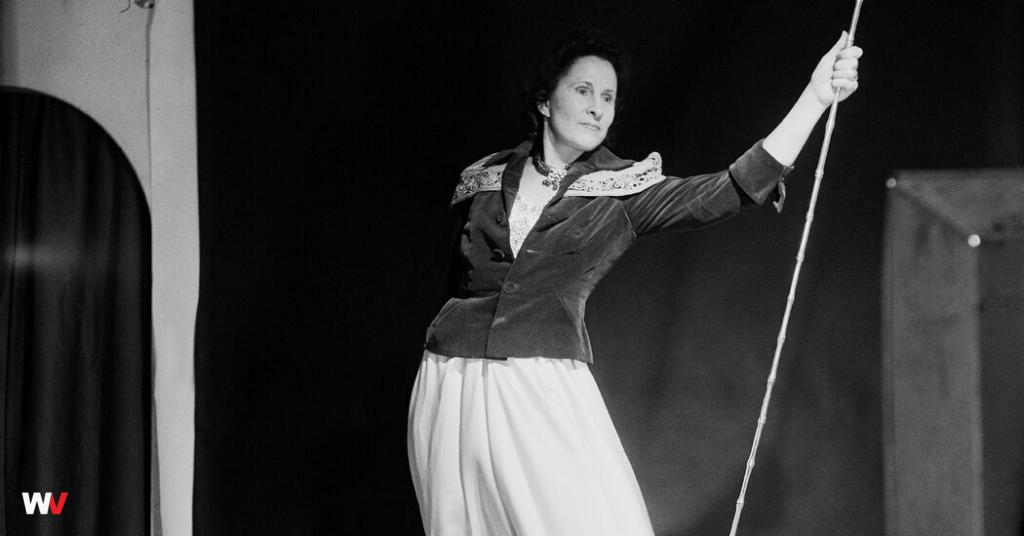
SURREAL: The Extraordinary Life of Gala Dalí, by Michèle Gerber Klein
What is the value of a muse? That’s the central question of Michèle Gerber Klein’s biography of Gala Dalí, “Surreal.” Dalí was known as “the Mother of Surrealism,” the wife of Salvador, an adviser, a seductress. But as with so many influential women, her role was deliberately unseen.
She was born Elena Ivanovna Diakonova, outside Moscow, in either 1890 or 1894 — depending on whose story you believe. When she was a child, her father disappeared while prospecting Siberian gold and her mother ended up going against religious rules barring widows from remarrying, wedding a Jewish Armenian lawyer.
Gala was not allowed a higher education in pre-revolutionary Russia. She was also subject to disturbing harassment from her brother, who often appeared in her room at night. She claimed he never acted on any desires, but that the experience was emotionally excruciating. She developed a dry cough and an anxious demeanor and was sent to a Swiss sanitarium in 1912.
There, she met Paul Éluard, soon to become one of the most famous poets in France. He would write her at least three poems about Pierrot the clown as they strolled through meadows of wildflowers. By the time both were pronounced cured, in 1914, they had to face not just disapproving parents but war. There was a lot of locking themselves in respective rooms in France and Russia to compose long love letters.
Gala managed to travel to France, where she and Éluard married in 1917 and, the following year, had a daughter, Cécile. Both mother and child suffered from fragile health and “did not bond.” Cécile was raised mostly by relatives and Gala was allowed to live a life, for better or worse, largely unfettered by child care.
Paul and Gala became key members of the Dada movement. Gerber Klein, who previously wrote a vivid biography of the designer Charles James, relishes illustrating the power dynamics at play in burgeoning art scenes. Other Surrealists and their wives disliked Gala; she was not invited to the all-male meeting of the editorial panel of the Dada magazine, Littérature. But Gala was never one to dwell on a slight; and in any case, there was always the distraction of another trip to the south of France to cure a cold or do some gambling.