

Entertainment
Was She Crazy? Immoral? Menstruating? Or Just a Murderer?
When a woman shot her married lover in 1870s San Francisco, all of America took sides.
TRESPASSERS AT THE GOLDEN GATE: A True Account of Love, Murder, and Madness in Gilded-Age San Francisco, by Gary Krist
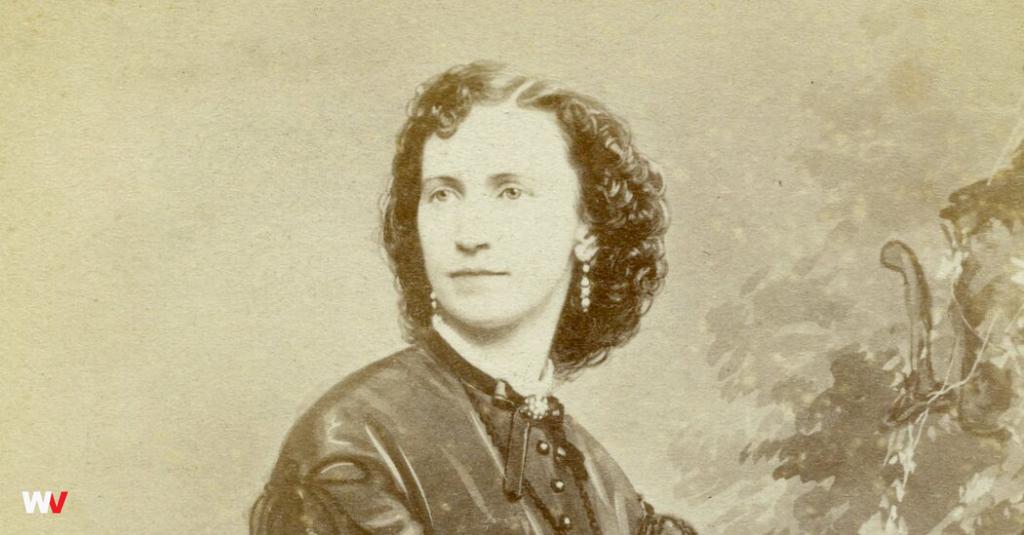
Is it possible to tell the story of an American city through its scandals? For Gary Krist, who has previously unearthed histories of scoundrels and sinners in Chicago, New Orleans and Los Angeles, the lens of true crime brings into focus the welter of urban growth and social change. In “Trespassers at the Golden Gate,” Krist’s focus is an adulterous affair that culminated, in 1870, with a pistol shot, fired in fading daylight on the ferry that crossed San Francisco Bay.
From its dramatic opening, Krist’s book backtracks to chart San Francisco’s astonishing growth, from a rough, polyglot outpost of prospectors attracted by the 1849 Gold Rush to a mature metropolis, which within 20 years counted respectable married women among its population of almost 150,000.
The problem with the metaphor of maturation, which Krist and many of his sources rely on, is its implication that urban growth is preordained, written in the bone. It exonerates individuals and erases protest; it is the means by which the real forces at work here — white supremacy and patriarchy — cover their tracks.
There were always those who did not conform: Krist’s wide canvas is peopled with intriguing minor figures like Ah Toy, a Chinese immigrant sex worker; a French frog-catcher, Jeanne Bonnet, who fell afoul of restrictions on cross-dressing; and Mary Ellen Pleasant, a civil rights pioneer who fought to desegregate the city’s streetcars. But these individuals rarely had the means to bend the city to their own tastes and notions of justice.
And when one of the men in power — a married lawyer named Alexander Parker Crittenden — was brazenly killed by his lover, the younger, licentious, murderous woman became the scapegoat, bearing all the sins of the city.





