Entertainment
The Queen Is Dead. Long Live the Queen?
Two very different books examine the reigns and legacies of Victoria and Elizabeth II.
“There is a natural inclination in mankind to Kingly Government,” said Benjamin Franklin, and if they might seem unlikely words from such a pen, much of history confirms them. Most lands in most continents have usually been ruled by kings and queens, perhaps nowhere more so than in Europe.
When war began in 1914, no fewer than eight countries were ruled by descendants of Queen Victoria. Three of her grandsons waged a war whose consequence saw two of them (Kaiser Wilhelm of Germany and Czar Nicholas of Russia) lose their thrones.
One monarchy survived — and as remarkable as that survival is the fact that for 133 of the last 200 years England has been ruled by two queens regnant, women who inherited the throne in their own right. Queen Victoria’s reign of more than 63 years was overtaken by Queen Elizabeth II, who had reigned for 70 years when she died in 2022. They have now inspired two books, completely different in kind, both truly fascinating.
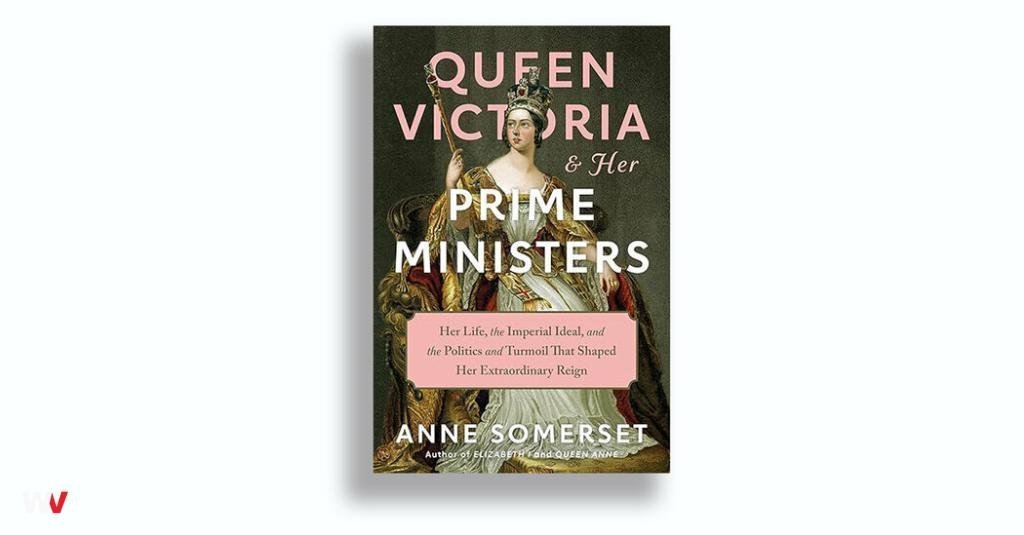
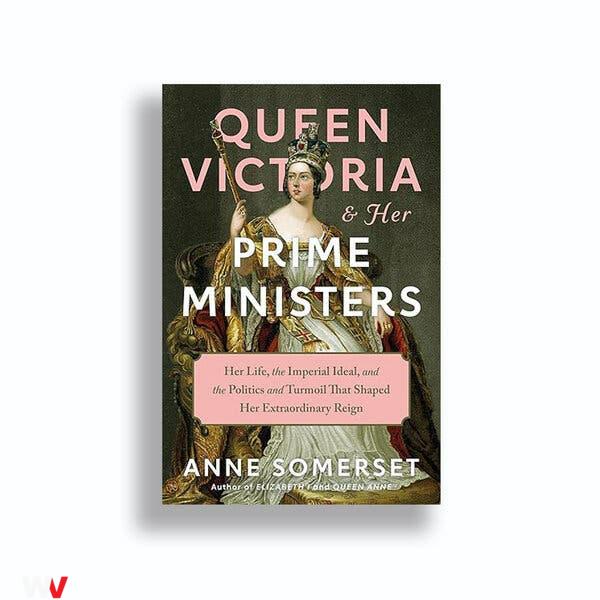
Anne Somerset has had the excellent idea of looking at Victoria’s relations with her prime ministers in VICTORIA AND HER PRIME MINISTERS: Her Life, the Imperial Ideal, and the Politics and Turmoil That Shaped Her Extraordinary Reign (Knopf, 630 pp., $45), while in Q: A Voyage Around the Queen (Farrar, Straus & Giroux, 672 pp., $35), Craig Brown has produced another collage of the kind he’s more or less invented, following “Ma’am Darling,” on the queen’s sister, Princess Margaret, and another on the Beatles.
When Victoria succeeded her uncle William IV in 1837, she was nervous and pliable. She was smitten with Lord Melbourne, her first prime minister, and was at first deeply dependent on him, although not as dependent as she would be on another man.