
Entertainment
Remember Body Glitter and Chat Rooms? ‘Y2K’ Won’t Let You Forget.
In a vibrant collection of “essays on the future that never was,” Colette Shade takes a cold look at the cheery promise of the 2000s.
Y2K: How the 2000s Became Everything (Essays on the Future That Never Was), by Colette Shade
Now that cultural and political analysts have thoroughly dry-pulped the 1990s, it is time to consider more recent history.
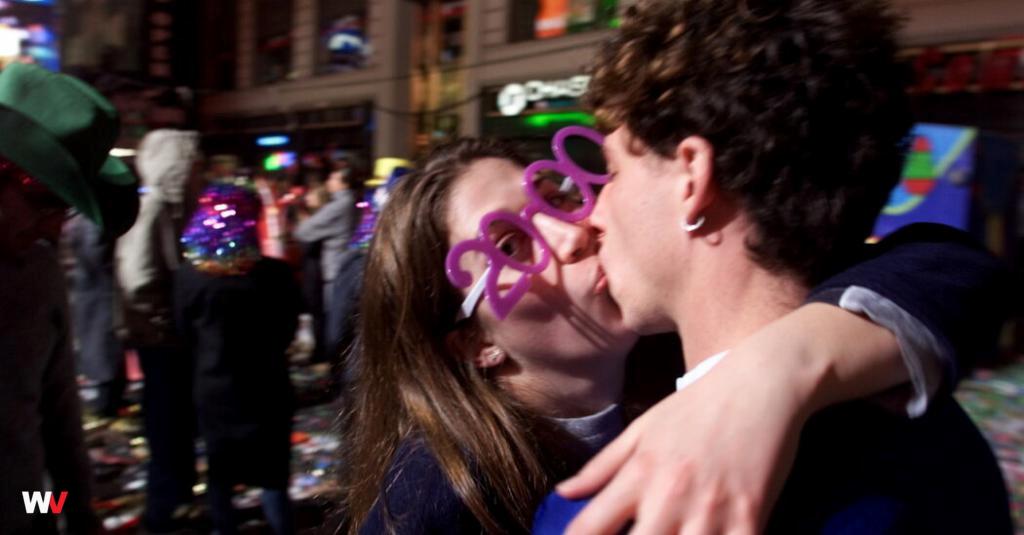
Y2K was the quaint-seeming, almost biblical fear that computer systems would be scrambled by the switch over from the 20th century to the 21st, causing planes to fall from the sky and banks to fail. Those three symbols delineate not just the year 2000, argues the journalist Colette Shade in a lean, nimble and profoundly depressing new book of memoiristic essays, but an entire era with its own identifiable, balloonish sensibility: stretching from approximately 1997 to the financial crisis of 2008, when banks actually did fail.
To write “lean” and “nimble” is a bit trollish of me, as these are terms of “late capitalist body talk,” according to the critic John Patrick Leary, one of many Shade cites. Her own straight-talking but peripatetic prose zags provocatively from Clintonian economic policy in Russia to her own eating disorder; from the gulf war to bling rap videos shot through a fish-eye lens.
She writes of how Starbucks went from kooky Seattle coffeehouse to nothing less than America’s lifeblood: pulsing angrily over disposable cups and labor conflict (last week, the company, which once promised to be a “third place,” announced a reversal of its open-door policy).
And of progressives’ outdated approach to change-making she nicknames “The Template”: moral wrong, press coverage, protest, government response. “That damn arc was supposed to be bending toward justice!” she jokes of their obviously ineffectual response to Trump’s first election. “What the hell was this?!”