
Entertainment
The Nicest Hostage Takers You’ll Ever Meet
THE SIEGE: A Six-Day Hostage Crisis and the Daring Special-Forces Operation That Shocked the World, by Ben Macintyre On a spring day in 1980, just short of a year after Margaret Thatcher’s election, a hapless but heavily armed gang stormed the …
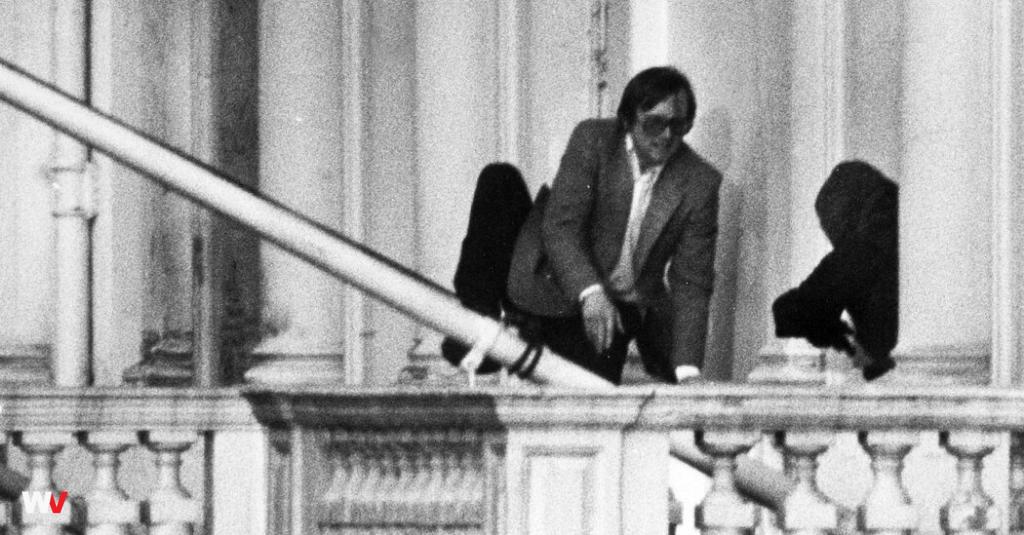
THE SIEGE: A Six-Day Hostage Crisis and the Daring Special-Forces Operation That Shocked the World, by Ben Macintyre
On a spring day in 1980, just short of a year after Margaret Thatcher’s election, a hapless but heavily armed gang stormed the Iranian Embassy in London. They took 26 people hostage during a six-day showdown that ended catastrophically for the gunmen, but magnificently for Thatcher, setting her up to battle the Irish Republican Army and invade the Falklands.
The prime minister gave her negotiators no runway for actual mediation. None of the militants’ demands could or would be met, she insisted, and they would not be allowed to leave Britain. She would prefer otherwise, but if hostages died, they died. “The episode cemented Margaret Thatcher’s reputation as an iron-willed leader, uncompromising and decisive,” Ben Macintyre writes in “The Siege,” his masterly account of the weeklong ordeal.
The story has been largely forgotten in America, which was consumed with its own Iranian hostage crisis at the time, but in Britain, Macintyre argues, it was a transformative event. The hostage crisis inspired films, memoirs, a video game and an Action Man figure, the British equivalent of G.I. Joe.
Still, it has never been recounted so pleasurably as it has been here. In Macintyre’s telling, the gunmen are sympathetic and deceived, idealists ensnared in a dark world of Middle Eastern trickery. They are Iranians of ethnic Arab origin, from Iran’s southwest province of Khuzestan, and they call themselves the Group of the Martyr. Some have endured rough treatment at the hands of the shah’s security forces. Like many of the minorities who ring Iran’s periphery, they want greater cultural and political rights from the central government.
As Iran descends into revolution, scores of Iranian Arabs are recruited by Saddam Hussein’s military and intelligence service. An agent called Sami the Fox introduces the eventual hostage takers to one another in a training camp outside Baghdad. “Britain is the seat of democracy,” the Fox assures the men, the perfect place for their operation, “where you can get a fair hearing.” Plus, the British police are not armed, he says. “They will not attack you.” The Fox deposits the men in a flat in Earl’s Court, provides cash for some luxury shopping on Oxford Street and escapes to Paris the morning of the raid.
The gunmen put on their smart new outfits and sneakers, and crash their way into the embassy, convinced that the encounter will last 24 hours and make them fast heroes. Puzzled British authorities race to figure out what they are up against. The land the gunmen seek to liberate, “Arabistan,” does not appear on any of their maps. “Not the ayatollah lot?” witnesses listening to police chatter from a nearby window ask one another. No, they conclude, “they’re the other lot that get into fights with the ayatollah lot on Sundays in the park.”