Entertainment
Freeports, Free Zones and Other Places With Perks — for the Rich
In “The Hidden Globe,” the journalist Atossa Araxia Abrahamian examines the rise of spaces where wealthy countries and companies bend rules and regulations to their advantage.
THE HIDDEN GLOBE: How Wealth Hacks the World, by Atossa Araxia Abrahamian
In the early 1960s, an American named Richard Bolin, who was working for the consulting firm Arthur D. Little, pitched an idea to the Mexican government. What if it put factories along its border with the United States and allowed them to produce goods that could be exported duty-free? The goal was to jump-start the economy in the border region while at the same time encouraging free trade. The factories built under this plan, called maquiladoras, exist to this day. The concept behind them — that you could siphon off part of a country and allow it to play by different rules — has spread globally.
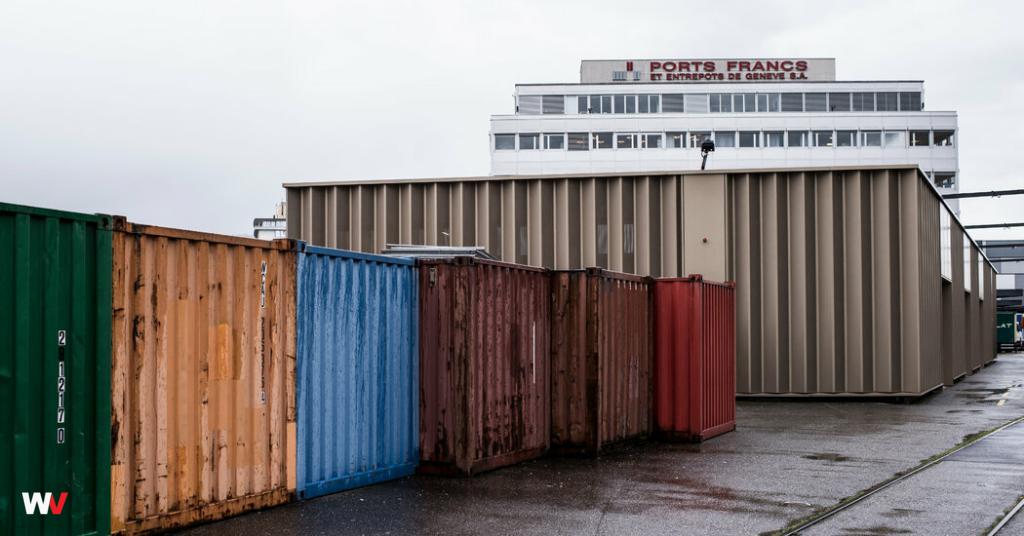
Take, for instance, the Geneva Freeport, a warehouse complex where collectors can store, buy and sell art, wine and other valuables without being taxed. Or the Dubai International Financial Center, a 110-acre “free zone” spread across the center of Dubai where registered foreign businesses can benefit from tax breaks and expedited immigration procedures for employees. Or Próspera, a resort town on the Honduran island of Roatán that functions as a semiautonomous territory, with its own tax and governance system, as well as an e-residency program enabling people to incorporate a business there even if they don’t live on the island.
The rise and spread of these “extraterritorial domains” is the subject of Atossa Araxia Abrahamian’s new book, “The Hidden Globe: How Wealth Hacks the World.” Abrahamian, a journalist who grew up in Geneva, a city rife with enclaves “bound by some Swiss laws, but immune from others,” traces the development of such zones, talking to some of the people who made them happen, including a few who regret their role in helping countries excise pieces of themselves in the name of allowing the already privileged to become even wealthier.
In Abrahamian’s telling, these features of what she calls the hidden globe have their roots in freeports, places that emerged centuries ago, originally in Italy, so that traders on long journeys could store perishable merchandise for a short time without having to go through local customs. But these zones have lately taken on a life of their own, she writes, as “capitalists, forever pursuing profit, regard liminal and offshore jurisdictions as frontiers.” Shipping companies have figured out how to reflag their ships, registering them to countries with less regulation. Nations have developed special economic zones exempt from tariffs and other taxes to attract foreign investment. And governments eager not to admit asylum seekers have established offshore domains where they can hold and process people arriving at their borders without documentation.
One interesting argument Abrahamian makes is that these exceptional areas came about as imperialism was declining; in some respects, they represent a less conspicuous form of colonialism. By setting up special economic zones, for instance, richer countries push poorer ones into participating in manufacturing and trade relationships without having to deal with local rules or regulations. In Mauritius in 1970, the Parliament passed a law giving tax breaks and customs exemptions to firms that produced exports; though the firms were located within the nation’s territory, they functioned as if they were outside it — not subject to normal protocols. The law led to an economic boom that generated jobs but not necessarily good ones. The concessions lowered the minimum wage and made women — the majority of the firms’ work force — more vulnerable to sexual harassment.