Entertainment
Amid a Dust Storm and a Depression, 5 Pioneers Reap What They’ve Sown
Karen Russell’s “The Antidote” is set in 1930s Nebraska, when the promising days of the American frontier are over, and white settlers reckon with the consequences of overfarming.
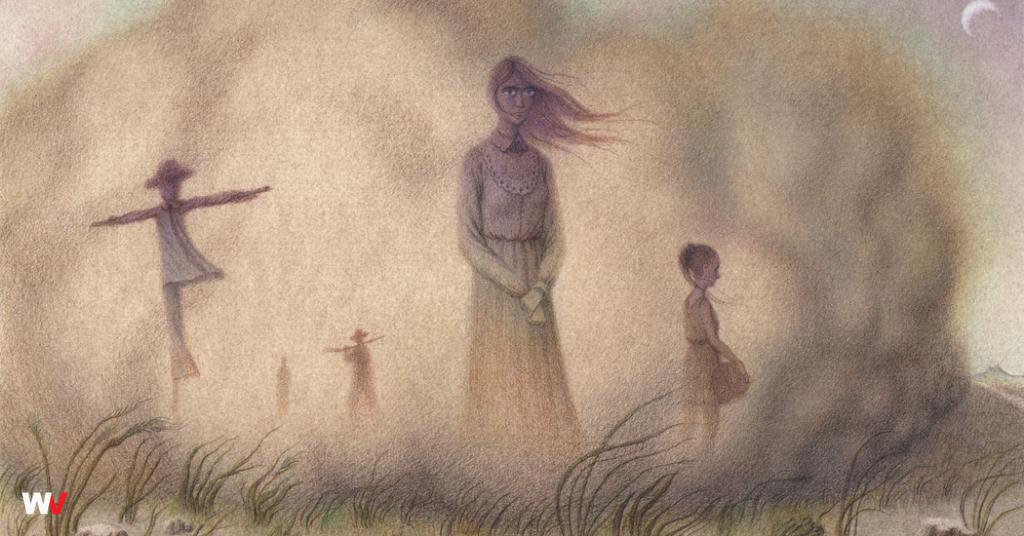
THE ANTIDOTE, by Karen Russell
On the first day of his second presidential term, Donald Trump signed an executive order challenging birthright citizenship, a right that has been enshrined in the United States Constitution via the 14th Amendment since 1868. Defending the order in the Supreme Court days later, Trump’s Justice Department cited an 1866 act that excluded Native Americans from birthright citizenship (Congress granted it to all Native Americans in 1924). In other words, Trump wants to exclude the first people on this land from the benefits of this land.
Who gets to enjoy the bounty of America? It’s an old question, but one that proves evergreen in our history. The theme is taken up with great passion and insight in Karen Russell’s new novel, “The Antidote,” which takes place in the fictional town of Uz, Neb., as Americans across the Great Plains are reeling from the Depression.
The novel opens in the aftermath of the Black Sunday dust storm of April 14, 1935, when a sunny afternoon suddenly turned darker than night, and the entire region became known as the Dust Bowl. The pioneers who’d colonized the region in the mid-19th century had worked the land until it died, which, combined with severe drought, had left the soil vulnerable to erosion by strong winds. The uprooting of native grasses for more farming only sped up the destruction. This is the backdrop of Russell’s novel: The promising days are over, and people are now facing the consequences.
Like Russell’s beloved earlier fiction — “St. Lucy’s Home for Girls Raised by Wolves” (2005), “Swamplandia!” (2011), “Vampires in the Lemon Grove” (2013) — “The Antidote” blends speculative and fantasy elements with rich language and vivid characters in an effort not to escape reality but to comment even more thoughtfully on it. How do you comprehend the enormity of an entire region of crops suddenly dying? All the lives upended, seemingly overnight? Sometimes you need to invoke the impossible to capture the truth.
At the heart of the novel’s ample cast is a character known as the prairie witch, whose role in Uz is to act as one of many “Vaults” for everything its people want to forget. For generations she has been “absorbing and storing my customers’ memories,” she says, from “banking secrets” to “sins and crimes, first and last times, nights of unspeakable horror.” Why might this town — and this nation — choose to forget its past? As the prairie witch puts it, “It’s rarely the truth itself that people can’t accept. It’s how they feel about it.”