Entertainment
A Subversive Family Memoir Tinged With Tragedy and Mustard Gas
In “Children of Radium,” Joe Dunthorne explores the absurdity of family histories and his own clan’s complicated past.
CHILDREN OF RADIUM: A Buried Inheritance, by Joe Dunthorne
Joe Dunthorne’s new memoir, “Children of Radium,” is an investigation into the life of his great-grandfather, Siegfried, who was involved in developing chemical weapons for the Nazis — which makes the book sound broadly unfun.
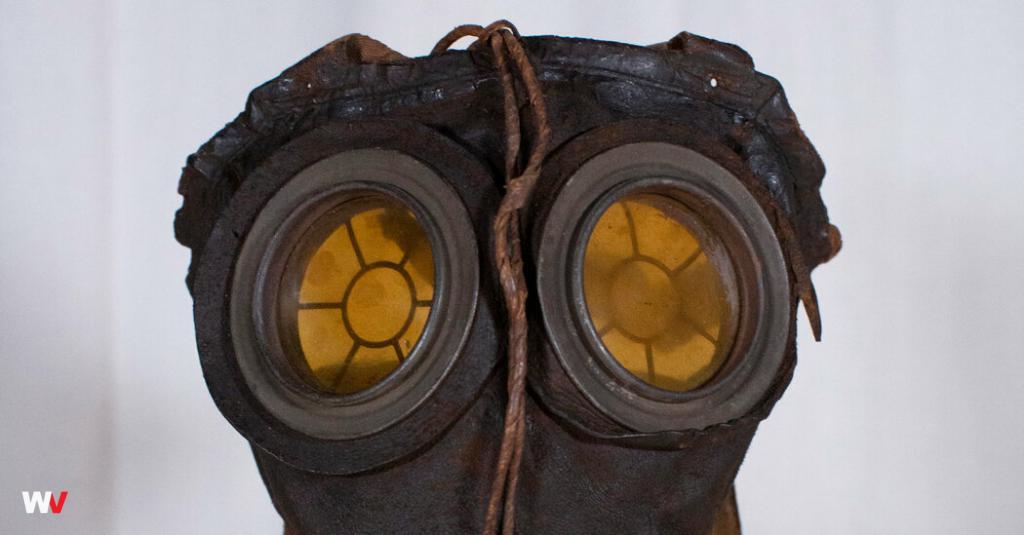
But Dunthorne’s deeper purpose, as he trudges around Europe peering into holes and standing disconsolately outside old gas-mask factories where his great-grandfather might or might not have worked, is to shine a light on the absurdity of families, the unreliability of memoir and the general embarrassment of doing journalistic interviews, all of which make the gut punch of the book’s final quarter more profound. And by acknowledging the form’s limitations, Dunthorne’s iteration rises to something genuinely, searingly meaningful.
Siegfried Merzbacher, Dunthorne’s maternal great-grandfather, was Jewish. He was a chemist from a prosperous German family who, before World War II, developed household chemicals, in particular a brand of radioactive toothpaste called Doramad, which he gave to his young daughter, rendering her age at her death in 2017 — 92 — slightly surprising. It’s in the wake of this death that Dunthorne, who had unsuccessfully tried to interview his grandmother about her family history (she “recognized the tone of someone digging for trauma and her voice hardened”), decided to look more closely into the polished anecdotes passed down to him.
Dunthorne is a novelist and a poet, whose first novel, “Submarine” (2008), is a larky bildungsroman, and his comic tone infuses this short, unconventional history with joy and pathos.
After the war, Siegfried and his wife, Lilli, followed their son, Eugen, to America, where Siegfried spent the rest of his life working on his 2,000-page memoir. “It wasn’t until Eugen was in his 90s and living in a retirement community,” Dunthorne writes, “that he decided to start translating the memoir so that the younger, English-speaking generations could also feel bad about not reading it.” That memoir is Dunthorne’s window into his great-grandfather’s epic emotional and factual evasions, as well as his scientific discoveries.