Entertainment
320 Years Before the Muppets, the English Took Manhattan
In “Taking Manhattan,” Russell Shorto pays close attention to the darker aspects of colonial life on the island at the center of the world.
TAKING MANHATTAN: The Extraordinary Events That Created New York and Shaped America, by Russell Shorto
The British are coming.
Specifically, Col. Richard Nicolls — fought in France, jailed by Cromwell, partied with the Duke of York — is sailing in to take New Amsterdam from the Dutch.
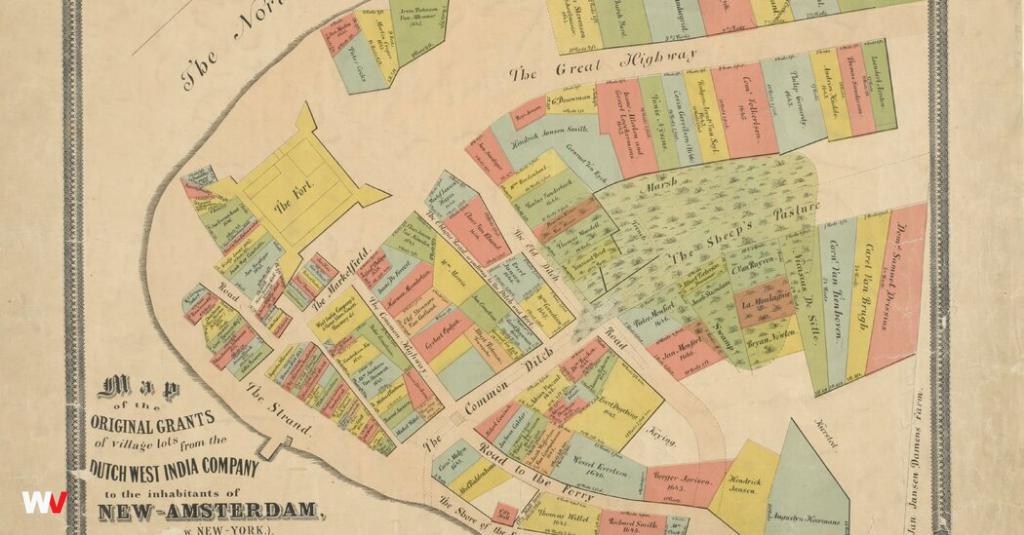
Rushing around the southern tip of Manhattan, scrambling to save his village, is Peter Stuyvesant, a Dutch West India Company company man whose employment history includes getting a leg sawed off after a Caribbean battle and heading north to run the trading post at the mouth of the Hudson.
We know who is going to wind up with the island in 1664 — we’re not sitting around eating stroopwafels here — but in “Taking Manhattan,” Russell Short tells the story beautifully, and makes a compelling case for its enduring importance.
There were two takings, really, and they came one right after the other: The Dutch took Manhattan from the Indigenous Lenape in 1626, then the British took it from the Dutch 38 years later.
The second taking is the heart of this book. The British, rebounding from decades of infighting (the beheading of Charles I, Cromwell’s rule, the Restoration), wanted to extend their North American land grab. The Dutch had claimed territory from present-day Albany to Delaware, and the center of the action, then as now, was Manhattan.
The Dutch West India Company had set up shop on the island to ship beaver pelts across the Atlantic, and the village that sprang up was, in Shorto’s telling, fundamentally Dutch — wildly capitalistic and also, in a circumscribed, relative way, unusually tolerant for its time.