Magazine
A Home With Its Own Rock ’n’ Roll Soundtrack
IN 1985, CHARLES Zana, then 25 and newly graduated from the architecture school at Paris’s École des Beaux-Arts, knew what he had to do: move to Manhattan, where the city’s post-punk scene was in its flamboyant final days. Garbage swelled the gutters …
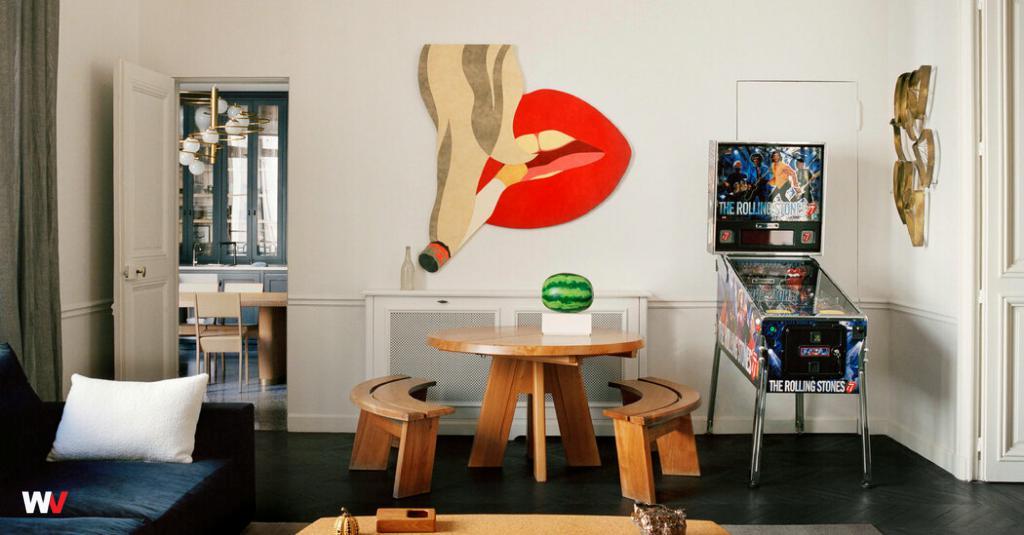
IN 1985, CHARLES Zana, then 25 and newly graduated from the architecture school at Paris’s École des Beaux-Arts, knew what he had to do: move to Manhattan, where the city’s post-punk scene was in its flamboyant final days.
Garbage swelled the gutters downtown, and a dense collage of graffiti and ragged posters seemed to cover almost every surface. Odessa, a Ukrainian diner on Avenue A frequented by artists and neighborhood characters, never closed on weekends. “It was just fantastic,” Zana says. He was joined by three friends from high school, including one who, like Zana, was raised on the outskirts of Paris. The two had become close over their love for American rock ’n’ roll: Bob Dylan; Crosby, Stills & Nash; and Bruce Springsteen. This would be their season of freedom.
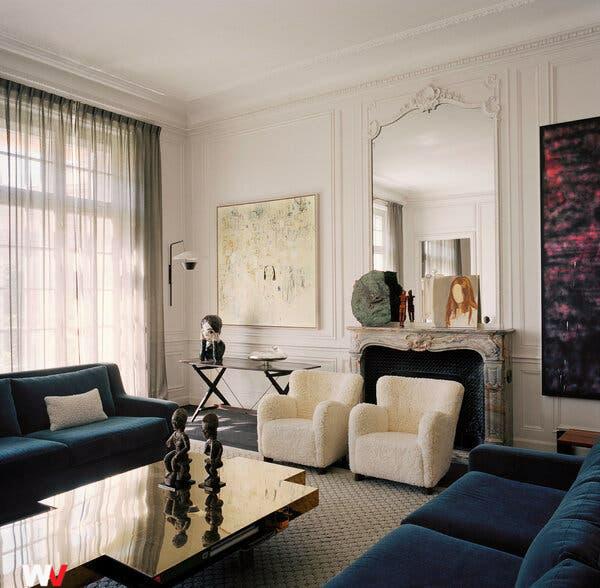
In the living room, a pair of sofas in Dedar mohair velvet, a coffee table by Vincenzo De Cotiis and a George Condo painting (far left). On the mantel, a painting by Gideon Rubin.Credit…François Halard. Artwork: (on rear wall, left) George Condo, painting © George Condo; (on console) Klara Kristalova, “Thinker,” 2012 © 2024 Klara Kristalova/ADAGP, Paris, courtesy of the artist and Perrotin; (painting on mantel) Gideon Rubin, “White T-Shirt,” 2019 © Gideon Rubin, courtesy of Alon Segev, Tel Aviv
Once in New York, they ate at Katz’s Deli and danced into the early morning at the Palladium nightclub on East 14th Street. At a book fair on Fifth Avenue, they chatted with the artist Keith Haring, one of their idols. “He enjoyed us,” recalls the Tunisian-born Zana, now 64. “We were two French boys who knew nothing and wanted to know everything.” But what impressed them most were the monumental, beat-up cast-iron buildings of SoHo. Raw pipes stretched across the ceilings of the open lofts they could glimpse from the street through sooty windows; art galleries beckoned on the ground floors. “We were amazed by the proportions, the roughness of it all. You never saw that in Paris,” Zana says. He soon realized he wanted to design interiors and furniture, rather than buildings — and to bring New York’s industrial spareness back home with him.
AFTER A YEAR, Zana’s friend returned to Paris to work in fashion, while Zana stayed for another year before moving back and opening his namesake design studio in 1990. But their stint in New York never left them. Over the next three decades, Zana has built a reputation for creating sparse but luxurious interiors arrayed with his custom Modernist-inspired furniture. He also realized a series of homes in London and Paris for his friend and his growing family — each combining European grace and craftsmanship with the rock ’n’ roll aesthetic of late 20th-century Lower Manhattan.