

Wikknet
Mighty Priapos, Divinely Endowed Guardian of Fertility and Abundance
Delve into the divine essence of Priapos, the mighty guardian of fertility and abundance. Explore his embodiment of virility, his bestowal of bountiful harvests, and his role as the awe-inspiring protector of fruitfulness.
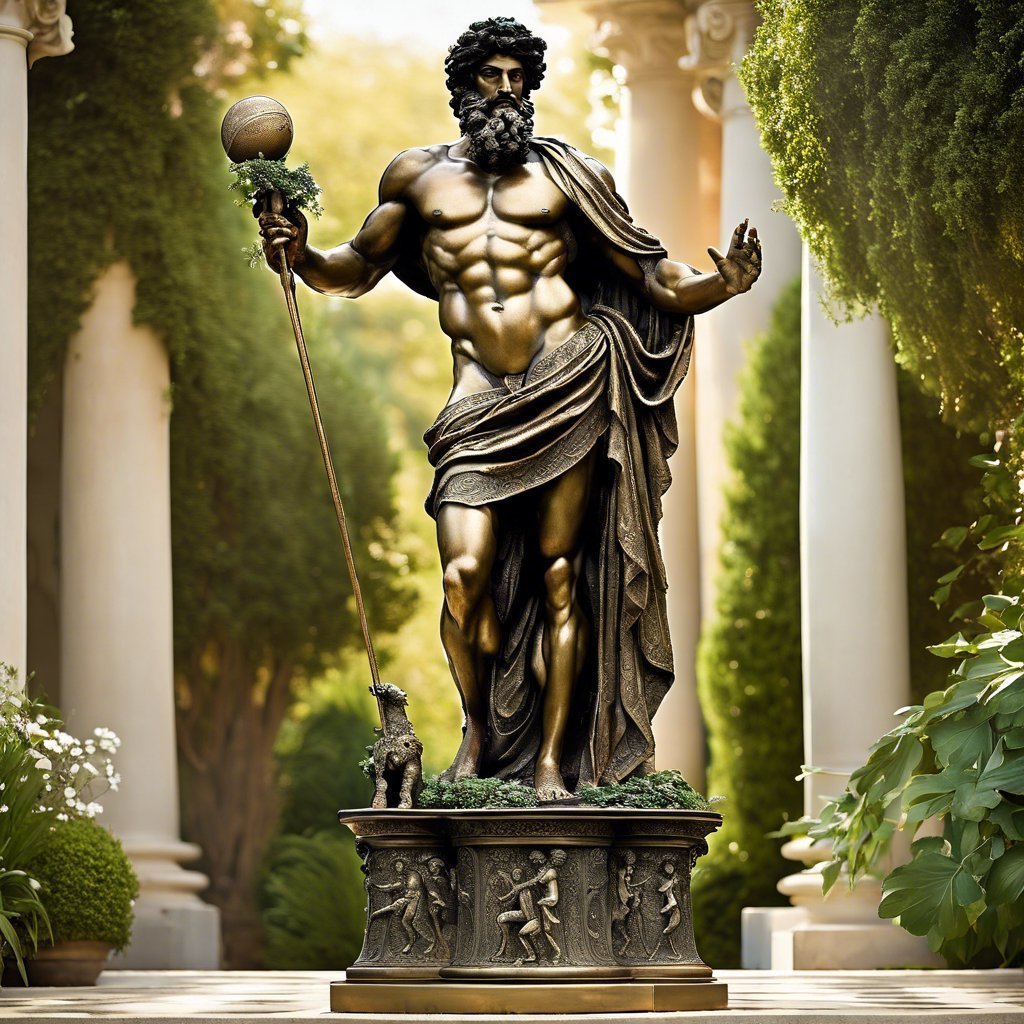
The Exalted Phallus: Embodiment of Virility and Fecundity
In the pantheon of ancient Greek deities, Priapos stands as a revered figure, celebrated for his divine endowment and role as the guardian of fertility and abundance. This exalted phallus, a symbol of masculine potency, was believed to possess the power to bestow prosperity, protect against evil, and ensure the fruitfulness of the land and its inhabitants.
Priapos’s iconography, often depicted as a towering, priapic figure with an oversized, erect phallus, underscores his association with virility, sexual vigor, and the generative forces of nature. As the son of the goddess Aphrodite and the god Dionysos, Priapos embodied the intertwining of divine beauty, sensuality, and the life-giving capacities inherent in the natural world.
The cult of Priapos was widespread throughout the Greco-Roman world, with shrines and sanctuaries dedicated to his worship found in both urban and rural settings. These sanctuaries served as hubs of fertility rituals, offerings, and celebrations, where the faithful sought the blessings of the divinely endowed guardian to ensure bountiful harvests, prosperous livestock, and the continued vitality of their communities.
Priapos’s influence extended beyond the agricultural realm, as he was also invoked to protect against malevolent forces, ward off evil, and safeguard the home and its inhabitants. The exalted phallus was believed to possess apotropaic powers, capable of deterring harm and bestowing good fortune upon those who revered and honored the deity.
- The towering, priapic figure of Priapos, with his oversized, erect phallus, symbolized masculine potency and the generative forces of nature.
- Priapos was the son of the goddess Aphrodite and the god Dionysos, embodying the intertwining of divine beauty, sensuality, and life-giving capacities.
- Shrines and sanctuaries dedicated to Priapos’s worship were hubs of fertility rituals, offerings, and celebrations, seeking the blessings of the divinely endowed guardian.
- Priapos’s influence extended beyond the agricultural realm, as he was also invoked to protect against malevolent forces and bestow good fortune upon his devotees.
Priapos, Mighty Progenitor: Bestower of Bountiful Harvests
In the pantheon of ancient Greek deities, Priapos stands as a revered figure, celebrated for his unwavering role as the Guardian of Fertility and Abundance. As the mighty progenitor, Priapos is believed to have been endowed with unparalleled generative powers, bestowing upon the land and its inhabitants the bountiful gifts of nature’s fecundity.
Hailed as the Bestower of Bountiful Harvests, Priapos was a central figure in the agricultural rituals and celebrations of ancient civilizations. His iconic presence, marked by his distinctly impressive physical attributes, was a testament to the vital role he played in ensuring the prosperity and well-being of the community.
Throughout the ages, Priapos has been venerated as a symbol of virility, fertility, and the perpetual cycle of life. His influence extended far beyond the realm of agriculture, as he was also believed to protect livestock, safeguard the household, and even ensure the fecundity of human relationships.
- As the Mighty Progenitor, Priapos was celebrated for his ability to bestow abundance and prosperity upon the land.
- The iconic imagery of Priapos, with his distinctive physical attributes, was a powerful representation of his role as the Guardian of Fertility and Abundance.
- Priapos was a central figure in the agricultural rituals and celebrations of ancient civilizations, ensuring the perpetual cycle of life and the bountiful harvests that sustained the community.
The Majestic Guardian of Abundance: Priapos, Divinely Empowered
In the pantheon of ancient Greek deities, Priapos stands as a revered figure, celebrated for his divine association with fertility and abundance. This mighty god, with his iconic and distinctively endowed form, was believed to be a guardian of the natural world, ensuring the prosperity and fecundity of the land, livestock, and all that fall under his divine influence.
Priapos’s origins can be traced back to the rural regions of Anatolia, where he was venerated as a protector of gardens, vineyards, and orchards. His presence was believed to ward off evil spirits and ensure a bountiful harvest, making him a figure of great importance in the lives of ancient agrarian communities.
- Priapos’s divine phallus was seen as a symbol of his potent generative powers, granting him the ability to bestow fertility and abundance upon the land and its inhabitants.
- Worshippers of Priapos would often erect phallic statues in his honor, seeking his favor and protection for their crops, livestock, and personal prosperity.
- The cult of Priapos spread throughout the Greco-Roman world, where he was celebrated in festivals and rituals that aimed to invoke his divine blessings.
As a guardian of abundance, Priapos was believed to possess the power to ensure the flourishing of all living things under his domain. His enduring legacy continues to captivate scholars and enthusiasts alike, as they explore the deep-rooted significance of this divinely empowered figure in the ancient world.
Priapos, Revered Overseer of Fertility: Cultivator of Prosperous Lands
In the pantheon of ancient Greek deities, Priapos stood as a revered figure, celebrated for his divine dominion over fertility, abundance, and the prosperity of the land. As the son of the gods Dionysus and Aphrodite, Priapos was imbued with an unparalleled potency, serving as the watchful overseer of all that blossomed and flourished upon the earth.
Priapos was believed to be the guardian of vineyards, orchards, and all manner of cultivated crops, ensuring their robust growth and the generous yields that sustained ancient communities. His presence was invoked by farmers, gardeners, and those who tended the land, seeking his benevolent influence to guarantee abundant harvests and the continued fertility of the soil.
Beyond his role as the cultivator of the land, Priapos was also seen as a defender of prosperity, safeguarding the wealth and good fortune of those who honored him. His imposing, phallus-shaped statues were often erected at the entryways of homes, gardens, and storehouses, serving as a testament to his power to ward off any forces that might threaten the well-being and abundance of the people.

- During ancient festivals and celebrations, offerings and libations were made to Priapos, seeking his blessings for a bountiful harvest and the continued prosperity of the community.
- Fertility rites and symbolic acts were performed to invoke the favor of Priapos, ensuring the fecundity of the land and the success of agricultural endeavors.
- Priapos was often depicted in crude, exaggerated forms, emphasizing his association with virility, sexuality, and the generative power of nature.
The Awe-Inspiring Protector of Fruitfulness: Priapos, Divinely Endowed
In the pantheon of ancient Greek deities, Priapos stands as a figure of immense power and significance, revered as the divinely endowed guardian of fertility and abundance. This awe-inspiring deity, whose name evokes a sense of reverence and wonder, was believed to possess the ability to bestow bountiful harvests, ensure the fecundity of livestock, and safeguard the well-being of both individuals and communities.
Priapos, often depicted with a towering, disproportionately large phallus, was a symbol of the generative forces of nature, a tangible representation of the divine essence that permeated the earth and all its living creatures. His presence was believed to be essential in the cycle of life, death, and rebirth, as he was thought to embody the very essence of regeneration and the perpetual renewal of the natural world.
The cult of Priapos was widespread throughout the ancient Greek world, with temples, shrines, and festivals dedicated to honoring this revered guardian of fertility and abundance. Worshippers would seek his blessings and favor, hoping to reap the rewards of his divine benevolence in the form of bountiful harvests, thriving livestock, and the overall prosperity of their communities.
- Priapos was believed to possess the power to protect crops, livestock, and human fertility.
- His cult was widespread throughout the ancient Greek world, with temples and festivals dedicated to him.
- The deity was often depicted with a disproportionately large phallus, symbolizing his role as a guardian of generative forces.
- Worshippers sought Priapos’ blessings and favor, hoping to secure the prosperity and abundance of their communities.
Priapos, Sovereign of Generative Powers: Sustainer of Bountiful Yields
In the pantheon of ancient Greek deities, Priapos stood as a revered figure, celebrated for his divine endowment and his role as the guardian of fertility, abundance, and generative powers. As the son of Aphrodite, the goddess of love and beauty, and Dionysus, the god of wine and revelry, Priapos embodied the very essence of procreation and the life-sustaining forces of nature.
Priapos was venerated as the sovereign of all that was bountiful and fruitful, his influence extending over the realms of agriculture, horticulture, and animal husbandry. His presence was believed to ensure the prosperity of vineyards, orchards, and fields, blessing them with the promise of abundant harvests and the perpetuation of life.
The iconography of Priapos often depicts him as a robust, masculine figure with an exaggerated phallus, symbolizing his potent generative abilities. This representation served as a testament to his power to stimulate and sustain the natural cycles of growth, reproduction, and renewal that were essential to the well-being of ancient communities.
Worshippers of Priapos would often erect small shrines or statues in his honor, seeking his divine intervention to safeguard their crops, livestock, and overall prosperity. These sanctuaries were seen as sanctuaries of fertility, where rituals and offerings were made to invoke the god’s blessings and ensure the continued abundance of the land.
- Priapos, the son of Aphrodite and Dionysus, was the sovereign of generative powers and the sustainer of bountiful yields.
- He was revered as the guardian of fertility, abundance, and the life-sustaining forces of nature.
- Priapos’ iconography often depicted him with an exaggerated phallus, symbolizing his potent generative abilities.
- Worshippers of Priapos would erect shrines and make offerings to invoke his blessings and ensure the continued prosperity of their lands and communities.
The Magnificent Custodian of Abundance: Priapos, Divinely Blessed
In the pantheon of ancient Greek deities, Priapos stands as a revered figure, revered for his divine endowment and his role as the guardian of fertility and abundance. This magnificently blessed deity, whose name has become synonymous with virility and generative power, was celebrated throughout the Greco-Roman world for his ability to ensure bountiful harvests, prosperous livestock, and the overall well-being of the community.
Priapos’s iconography is striking and instantly recognizable, with his exaggerated phallus serving as a testament to his divine potency. This striking feature was not merely a symbol of his sexual prowess, but rather a tangible representation of his ability to bestow the gifts of fertility, prosperity, and abundance upon the land and its people.
The cult of Priapos was widespread, with shrines and temples dedicated to him found in various agricultural and rural settings throughout the ancient world. Farmers, shepherds, and laborers would often invoke his name, seeking his divine intervention to ensure the success of their endeavors and the well-being of their communities.
Beyond his role as the guardian of fertility and abundance, Priapos was also seen as a protector of gardens, vineyards, and other cultivated spaces. His presence was believed to ward off pests, thieves, and other threats that could jeopardize the bounty of the land.
- Priapos, the divinely blessed deity, was revered for his ability to ensure bountiful harvests, prosperous livestock, and the overall well-being of the community.
- His exaggerated phallus was a tangible representation of his divine potency and his ability to bestow the gifts of fertility, prosperity, and abundance.
- The cult of Priapos was widespread, with shrines and temples dedicated to him found in various agricultural and rural settings throughout the ancient world.
- Priapos was also seen as a protector of gardens, vineyards, and other cultivated spaces, warding off pests, thieves, and other threats that could jeopardize the bounty of the land.
Priapos, Exalted Champion of Fecundity: Bestower of Prosperity
In the pantheon of ancient Greek deities, Priapos stood as a revered figure, celebrated for his unwavering role as the Guardian of Fertility and Abundance. This powerfully endowed deity was believed to bestow prosperity, ensure bountiful harvests, and safeguard the fecundity of both humans and livestock.
Priapos’s distinguished iconography, featuring his conspicuous masculine attributes, underscored his divine status as the patron of sexuality, virility, and the generative powers of nature. He was invoked by farmers, gardeners, and those seeking to enhance their own fertility or that of their lands and herds.
- Elaborate festivals and ceremonies were held in honor of Priapos, often involving processions, sacrifice, and the presentation of votive offerings to secure his blessings.
- Sculptures and images of Priapos were strategically placed in gardens, vineyards, and other agricultural settings to invoke his protective presence and ensure bountiful harvests.
- Worshippers would make offerings of fruits, vegetables, and other agricultural products to curry the favor of the great Priapos and secure his divine favor.
The veneration of Priapos and his role as the Bestower of Prosperity remained an integral part of ancient Greek religious and cultural traditions for centuries. His enduring legacy continues to captivate scholars and enthusiasts alike, offering a glimpse into the profound reverence for the divine forces that shape the natural world and human existence.
The Venerated Overseer of Fertility: Priapos, Divinely Empowered
In the pantheon of ancient deities, Priapos stands as a revered figure, celebrated for his divine endowment and his role as the guardian of fertility and abundance. This Greco-Roman deity, whose name is derived from the Greek word πρίαπος (meaning ‘penis’), was worshipped for his ability to ensure the fruitfulness of the land, the livestock, and even human procreation.
Priapos’s distinctive iconography, featuring an exaggerated and prominent phallus, was a testament to his power and influence over the realm of fertility. This striking physical attribute was not merely a symbol of his masculinity but rather a manifestation of his divine purpose as the overseer of all things that brought forth life and prosperity.
The cult of Priapos was particularly prominent in rural areas, where his shrines and statues were often erected to invoke his blessings upon the crops, herds, and the overall well-being of the community. Farmers, gardeners, and even seafarers would offer sacrifices and perform rituals to ensure Priapos’s favor, believing that his divine intervention would safeguard their livelihoods and bring forth abundant harvests or successful voyages.
Beyond his role as the guardian of fertility, Priapos was also associated with the protection of gardens, vineyards, and other cultivated lands. His presence was believed to ward off pests, thieves, and any other threats that could jeopardize the bounty of the earth. This dual aspect of Priapos, as both the purveyor of fertility and the protector of the land, cemented his status as a revered and indispensable deity in the ancient world.
- Priapos, the Divinely Endowed Guardian of Fertility
- The Cult of Priapos and its Prominence in Rural Areas
- Priapos as the Protector of Gardens, Vineyards, and Cultivated Lands
- The Significance of Priapos’s Distinctive Iconography
Priapos, Mighty Arbiter of Abundance: Cultivator of Bountiful Harvests
In the pantheon of ancient Greek deities, Priapos stands tall as the revered guardian of fertility and abundance. As the son of Aphrodite, the goddess of love, and Dionysus, the god of wine and revelry, Priapos embodies the essence of nature’s bounty and the prosperity that flows from the earth.
Priapos is often depicted as a robust, well-endowed figure, his impressive stature symbolizing the virility and fecundity that he bestows upon the land and its inhabitants. His presence was particularly celebrated in agricultural communities, where he was believed to ensure the success of crops, the flourishing of livestock, and the overall well-being of the people.
- As the Arbiter of Abundance, Priapos was responsible for overseeing the cultivation of the land, guiding farmers and shepherds in their pursuit of bountiful harvests and thriving herds.
- His divine influence extended to the realm of gardens and orchards, where he was invoked to promote the growth of lush vegetation and the ripening of succulent fruits.
- Priapos was also revered as the Protector of Vineyards, ensuring the abundant production of grapes and the fermentation of delectable wines, which were essential to the cultural and religious practices of ancient Greece.
The cult of Priapos was widespread throughout the Greco-Roman world, with his shrines and sanctuaries serving as hubs of agricultural and horticultural activity. Farmers and gardeners would make offerings and sacrifices to the mighty deity, seeking his blessings for a fruitful season and a bountiful harvest.
In the modern era, the legacy of Priapos lives on, as his enduring symbolism of fertility, abundance, and the life-sustaining power of the earth continues to captivate and inspire us. The reverence for this ancient deity serves as a reminder of the deep-rooted connection between humanity and the natural world, and the importance of honoring the cycles of growth and renewal that sustain us all.