

Uncategorized
paternity testing gel electrophoresis
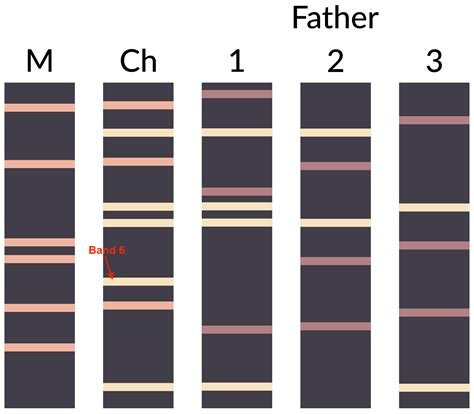
Discover the principles and applications of gel electrophoresis in paternity testing. Learn how to interpret results and the advantages of this technique.In the realm of paternity testing, gel electrophoresis plays a crucial role in determining biological relationships with accuracy and reliability. This powerful tool allows for the analysis of DNA samples to confirm or refute paternity claims, providing valuable insights into familial connections.
Understanding the principles of gel electrophoresis is essential for comprehending how this technique separates DNA fragments based on their sizes, aiding in the identification of genetic markers unique to each individual. By delving into the application of gel electrophoresis in paternity testing, we can uncover how this method transforms complex genetic data into actionable results that can guide important decisions.
Interpreting gel electrophoresis results requires a keen eye for detail and a solid grasp of genetic concepts, ensuring accurate conclusions are drawn from the patterns displayed on the gel. The advantages of using gel electrophoresis in paternity testing are vast, offering precise and conclusive evidence that can withstand legal scrutiny.
Understanding Paternity Testing
Paternity testing is a process that determines whether a man is the biological father of a child. This type of testing is commonly used in legal cases, such as child support disputes or custody battles. The test involves comparing the DNA profiles of the alleged father, the child, and sometimes the mother. By analyzing specific genetic markers, scientists can determine the probability of paternity.
One method used in paternity testing is gel electrophoresis, a technique that separates DNA fragments based on their size using an electric field. During gel electrophoresis, a DNA sample is loaded onto a gel matrix and subjected to an electric current. The DNA fragments move through the gel at different rates, creating distinct bands that can be visualized under UV light.
Understanding the principles of gel electrophoresis is essential for interpreting paternity test results. By analyzing the pattern of DNA bands on the gel, scientists can determine whether the genetic markers of the child match those of the alleged father. If there is a close match, it is more likely that the man is the biological father. However, if the DNA profiles do not align, paternity can be excluded with a high degree of certainty.
Principles of Gel Electrophoresis
Gel electrophoresis is a powerful technique used in molecular biology to separate DNA, RNA, or proteins based on their size and charge. The basic principle of gel electrophoresis involves applying an electric field to a porous gel matrix, which causes the macromolecules to migrate through the gel at different rates depending on their size and charge. The gel matrix acts as a sieve, slowing down the movement of larger molecules more than smaller molecules.
During gel electrophoresis, the DNA, RNA, or proteins are loaded into wells at one end of the gel, and an electric current is applied. The negatively charged macromolecules move towards the positively charged electrode at the other end of the gel. The smaller molecules travel faster through the gel, while the larger molecules move more slowly, resulting in separation based on size.
Gel electrophoresis is a widely used technique in molecular biology research and diagnostics due to its simplicity and versatility. It can be used to analyze DNA samples for paternity testing, genetic screening, or forensic analysis. By understanding the principles of gel electrophoresis, researchers can effectively separate and analyze macromolecules for a wide range of applications.
Application of Gel Electrophoresis in Paternity Testing
Gel electrophoresis is a crucial technique used in paternity testing to analyze DNA samples. This process involves separating DNA fragments based on their size and charge by applying an electric field to a gel matrix.

Through gel electrophoresis, scientists are able to compare the DNA profiles of an alleged father, mother, and child to determine the likelihood of paternity. This method is highly accurate and widely accepted in the field of forensic genetics.
By studying the banding patterns on the gel, experts can identify whether specific alleles are shared between the alleged father and child, providing valuable evidence in paternity disputes.
Interpreting Gel Electrophoresis Results
After conducting a gel electrophoresis test for paternity testing, it is essential to interpret the results accurately to determine the genetic relationship between individuals. The gel electrophoresis technique separates DNA fragments based on their sizes, producing a unique pattern of bands on the gel.
When examining the gel electrophoresis results, it is crucial to pay attention to the number and position of bands present. The bands represent different DNA fragments, with each individual having their distinct pattern. By comparing the band patterns of the tested individuals, it is possible to determine if they share common genetic markers.
Interpreting gel electrophoresis results requires careful analysis and comparison to establish the likelihood of paternity. The presence of matching bands between the child and alleged father indicates a higher probability of biological relationship, while discrepancies in band patterns may suggest excluded paternity.
Advantages of Gel Electrophoresis in Paternity Testing
One of the main advantages of using gel electrophoresis in paternity testing is the ability to analyze DNA samples to determine genetic relationships with a high level of accuracy. Gel electrophoresis allows for the separation of DNA fragments based on their size, allowing for the comparison of genetic markers between individuals. This can provide valuable information for determining biological relationships between parents and children.
Another advantage of gel electrophoresis in paternity testing is its sensitivity and specificity. Gel electrophoresis can detect even small differences in DNA sequences, making it a powerful tool for identifying genetic variations between individuals. This high level of sensitivity ensures that paternity testing results are reliable and accurate, reducing the likelihood of errors in determining biological relationships.
Furthermore, gel electrophoresis is a cost-effective and efficient method for paternity testing. The equipment required for gel electrophoresis is relatively affordable and widely available, making it accessible for laboratories and research facilities. Additionally, gel electrophoresis can process multiple DNA samples simultaneously, allowing for faster turnaround times in paternity testing processes. This means that results can be obtained quickly, providing timely and valuable information for individuals seeking to confirm biological relationships.
Frequently Asked Questions
What is paternity testing?
Paternity testing is a genetic test used to determine the biological father of a child.
How does gel electrophoresis play a role in paternity testing?
Gel electrophoresis is a technique used in paternity testing to separate DNA fragments based on size, helping to identify genetic markers that can be used to determine paternity.
What are the steps involved in paternity testing using gel electrophoresis?
The steps typically involved in paternity testing using gel electrophoresis include DNA extraction, PCR amplification of specific genetic markers, gel electrophoresis to separate DNA fragments, and analysis of the results.
Is paternity testing using gel electrophoresis accurate?
Paternity testing using gel electrophoresis is considered to be highly accurate, with results that are typically over 99% accurate when performed by accredited laboratories.
Are there any limitations to paternity testing using gel electrophoresis?
While paternity testing using gel electrophoresis is highly accurate, limitations can arise from sample contamination, inadequate sample collection, or technical errors in the testing process.
Can paternity testing using gel electrophoresis be used in legal cases?
Yes, paternity testing using gel electrophoresis can be used in legal cases as long as proper chain of custody and documentation procedures are followed to ensure the integrity of the results.
How long does paternity testing using gel electrophoresis take to provide results?
The timeline for receiving results from paternity testing using gel electrophoresis can vary, but most laboratories aim to provide results within 3-5 business days from the time they receive the samples.





