

Uncategorized
paternity eye color test
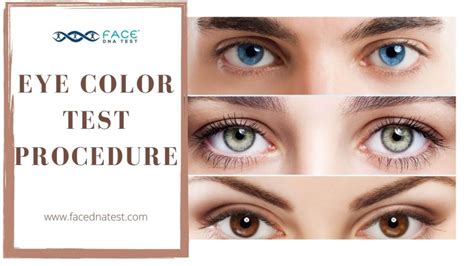
Learn about paternity testing, inheritance of eye color, and interpreting test results. Understand the science behind eye color genetics.When it comes to paternity tests, most people think of determining biological relationships through DNA analysis. However, did you know that paternity tests can also reveal fascinating information about inherited traits, such as eye color? In this blog post titled “Paternity Eye Color Test,” we will delve into the science behind eye color inheritance and how it ties into paternity testing. From understanding paternity tests to exploring the mechanisms of eye color inheritance, we will discuss how professionals interpret the test results to provide insights into biological relationships and genetic patterns. Join us as we uncover the intriguing world of paternity testing for eye color and learn more about the role genetics play in determining this unique trait.
Understanding Paternity Tests
When it comes to determining paternity, a paternity test can provide accurate and conclusive results. These tests are typically used to establish the biological relationship between a father and child, and can be done through various methods such as a buccal swab test, blood test, or DNA test.
A paternity test works by comparing the genetic markers of the alleged father and child, looking for similarities or discrepancies that could indicate a biological connection. The results of a paternity test are usually expressed as a probability of paternity, with a higher probability indicating a greater likelihood of a biological relationship.
It is important to understand that a paternity test is a scientific process that relies on accurate and precise data analysis. These tests are often used in legal proceedings, such as child support cases or custody disputes, and can provide irrefutable evidence of biological paternity.
How Eye Color is Inherited
Eye color is a fascinating genetic trait that is determined by a complex interplay of multiple genes. It is not solely a matter of one dominant gene over another, but rather a combination of various genetic factors that contribute to the final color of an individual’s eyes.
One of the key genes responsible for eye color is the OCA2 gene, located on chromosome 15. This gene provides instructions for making a protein that plays a crucial role in the production of melanin, the pigment responsible for the color of our skin, hair, and eyes. Variations in the OCA2 gene can lead to differences in eye color, ranging from shades of brown to blue, green, or gray.
Additionally, another gene known as HERC2, located near the OCA2 gene, also influences eye color by regulating the expression of the OCA2 gene. A specific variation in the HERC2 gene has been found to be associated with blue eye color. These genetic interactions illustrate the complexity of eye color inheritance and the role of multiple genes in determining the final outcome.
The Science Behind Eye Color
Eye color is a fascinating topic that has intrigued scientists for decades. It is a complex trait that is determined by multiple genes, making it difficult to predict with certainty. However, researchers have made significant progress in understanding the genetic basis of eye color.
One of the key genes that play a role in determining eye color is called OCA2. This gene is responsible for producing a protein that helps to determine the amount of melanin in the iris. Melanin is the pigment that gives our eyes their color, with higher levels resulting in darker eyes.
Another gene that influences eye color is called HERC2, which controls the activity of the OCA2 gene. Variations in the HERC2 gene are associated with different eye colors, with some variants leading to blue eyes and others resulting in brown eyes.

Paternity Testing for Eye Color
When it comes to determining paternity through genetic testing, many people may not realize that it is also possible to test for specific traits such as eye color. The science behind eye color inheritance is complex, but through advancements in genetic testing, paternity testing for eye color has become a reality.
Eye color is a polygenic trait, meaning that it is influenced by multiple genes. This makes predicting eye color more challenging than simply looking at the eye colors of the parents. Paternity testing for eye color involves analyzing the genetic markers associated with eye color to determine the likelihood of a certain eye color being passed down from the parents to the child.
Interpreting the test results of a paternity test for eye color can provide valuable information about the genetic makeup of both the child and the alleged father. By understanding how eye color is inherited and how genetic testing can be used to determine paternity, individuals can gain insight into their family history and genetic heritage.
Interpreting the Test Results
Once you have conducted a paternity test to determine the likelihood of inheriting certain eye colors, it is crucial to correctly interpret the results. Understanding the test results can provide valuable insights into the genetic makeup of the individuals involved.
When examining the test results, it is important to pay attention to the probability of paternity that is provided. This percentage indicates the likelihood that the alleged father is the biological parent of the child. A higher probability percentage indicates a stronger likelihood of paternity.
It is also essential to consider any limitations or uncertainties associated with the test results. While paternity tests can provide valuable information, they are not always 100% accurate. Factors such as sample contamination or laboratory errors can impact the reliability of the results.
Frequently Asked Questions
Can an eye color paternity test determine who the biological father is?
Yes, an eye color paternity test can help determine who the biological father is by comparing the eye color of the child to the possible fathers.
How accurate are eye color paternity tests?
Eye color paternity tests are not as accurate as DNA tests, but they can still provide a general idea of paternity based on eye color.
What factors can affect the accuracy of an eye color paternity test?
Factors such as genetic variations, environmental influences, and potential mutations can affect the accuracy of an eye color paternity test.
Are there different types of eye color paternity tests available?
There are various eye color paternity tests available, each with its own methodology and level of accuracy.
Can eye color paternity tests be used in legal cases?
Eye color paternity tests are not typically admissible as evidence in legal cases, as they are considered less reliable than DNA tests.
How long does it take to get the results of an eye color paternity test?
The time it takes to get the results of an eye color paternity test can vary depending on the specific test and provider, but it is usually quicker than DNA testing.
What should I consider before opting for an eye color paternity test?
Before opting for an eye color paternity test, consider discussing the options with a healthcare provider or genetic counselor to understand the limitations and implications of the test.





