

Uncategorized
negative paternity test
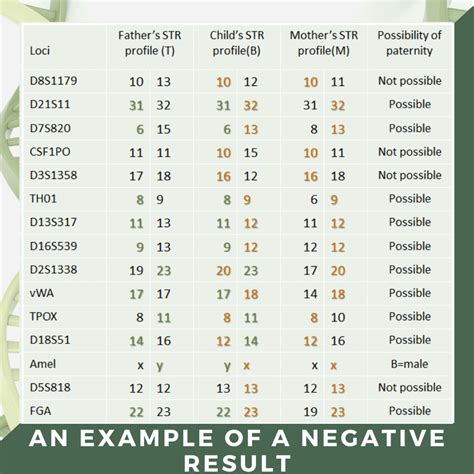
Learn about paternity testing, reasons for negative results, common testing errors, emotional effects on families, and what to do after receiving a negative result.The revelation of a negative paternity test result can have far-reaching consequences for families. In this blog post, we will delve into the intricacies of paternity testing, exploring the reasons behind negative results and the potential errors that may occur during the testing process. We will also discuss the emotional impact that a negative paternity test can have on families, highlighting the importance of addressing and coping with the resulting turmoil. Additionally, we will touch upon the next steps that families can take following a negative result, offering guidance and support during this challenging time. Join us as we navigate through the complexities of negative paternity testing and offer insights into moving forward in the aftermath of such a discovery.
Understanding Paternity Testing
When it comes to paternity testing, it is important to understand the process and how it works. Paternity testing is a scientific method used to determine whether a man is the biological father of a child. This type of testing can be done for many reasons, such as legal disputes or personal reasons.
There are different methods of paternity testing, including DNA testing and blood type testing. DNA testing is the most common and reliable method, as it compares the genetic material of the child and potential father. This type of testing can be done through a cheek swab or a blood sample.
Understanding paternity testing is crucial for families seeking answers about parentage. It is important to know the limitations of these tests and the potential for errors. By understanding the process, families can make informed decisions about their next steps.
Causes of Negative Results
When it comes to paternity testing, receiving a negative result can be disheartening and confusing for families. There are several factors that can contribute to a negative result, despite the belief that a biological relationship exists. One common cause of negative paternity test results is the presence of mutations in the tested genetic markers. These mutations can create inconsistencies in the DNA profiles, leading to inaccurate conclusions.
Another potential cause of negative results is contamination of the DNA samples. If the samples collected for the test are contaminated with outside genetic material, it can skew the results and produce a false negative. It is crucial for testing facilities to maintain strict protocols for sample collection and analysis to minimize the risk of contamination.
Additionally, incomplete or incorrect information provided by the individuals involved in the test can also lead to negative results. If important details such as medical history, family relationships, or genetic disorders are not accurately disclosed, it can impact the accuracy of the test results. It is essential for all parties to be transparent and thorough in providing information to ensure the validity of the paternity test.
Potential Testing Errors
When it comes to paternity testing, accuracy is crucial. However, there are instances where potential errors can occur during the testing process. One common testing error is contamination of the samples. This can happen if the samples are not handled properly or if there is a mix-up in the samples. Contamination can lead to inaccurate results and cause confusion for families seeking answers.
Another potential testing error is mislabeling of samples. If the samples are not labeled correctly, it can result in mix-ups and inaccurate results. This mistake can have serious consequences, especially when the results are used to make important decisions regarding custody, child support, or inheritance.
Lastly, another testing error to be aware of is technical errors in the laboratory. Even with advanced technology, there is still room for human error. From misinterpretation of results to calibration issues with equipment, technical errors can occur and impact the accuracy of the test results.

Emotional Impact on Families
Receiving a negative result on a paternity test can have a profound emotional impact on families. The news can bring about feelings of shock, disbelief, and confusion as individuals process the results. Families may experience a range of emotions, including anger, sadness, and frustration, as they come to terms with the implications of the test results.
It is important for families to support each other during this difficult time and to seek counseling or therapy if needed. Communication is key in navigating the emotions that may arise, and open and honest conversations can help family members process their feelings and find ways to move forward together.
While a negative paternity test result can be challenging to accept, it is important to remember that families can find ways to heal and grow stronger together. By acknowledging and addressing the emotional impact of the test results, families can take the necessary steps to move forward and rebuild trust and understanding among all members.
Next Steps After Negative Result
After receiving a negative paternity test result, it is important to take the necessary steps to address the situation and move forward. One of the first things to do is to communicate openly and honestly with all parties involved. This includes the mother, the potential father, and any children who may be affected by the results.
It is also crucial to seek support from a qualified counselor or therapist to help navigate the emotional impact of the negative result. This can be a difficult and challenging time for everyone involved, and having professional guidance can be incredibly beneficial.
Additionally, it may be necessary to explore other options for establishing paternity, such as seeking a different testing method or considering other forms of evidence. Consulting with a legal professional who specializes in family law can provide insight into the next steps to take in this process.
Frequently Asked Questions
What is a negative paternity test?
A negative paternity test indicates that the alleged father is excluded as the biological father of the child.
How reliable are negative paternity test results?
Negative paternity test results are highly reliable, as they are based on the analysis of DNA samples from the alleged father, child, and sometimes the mother.
Can a negative paternity test be wrong?
While extremely rare, there is a possibility of error in paternity testing due to contaminated samples or lab errors. However, reputable labs follow strict procedures to minimize such errors.
What should I do if I receive a negative paternity test result?
If you receive a negative paternity test result and have doubts about the accuracy, you can request a retest or seek a second opinion from another accredited DNA testing lab.
Are there legal implications of a negative paternity test?
A negative paternity test can have legal implications, such as in cases of child support or custody disputes. It is important to seek legal advice if needed.
How long does it take to get results from a paternity test?
The time taken to receive paternity test results can vary depending on the testing method and lab used. Generally, results are available within a few days to a couple of weeks.
Can a paternity test be done without the alleged father’s knowledge?
In some cases, a paternity test can be done without the alleged father’s knowledge through discreet sampling methods such as surreptitious DNA collection. However, this may have legal and ethical implications.





