Future
In Mexico City, F1 Teams Must Cope With the Altitude
The thinner air affects the cars in many ways, including the performance of the turbo engines, brakes and tires. “It’s like driving in the wet,” the driver Lance Stroll of Aston Martin said.
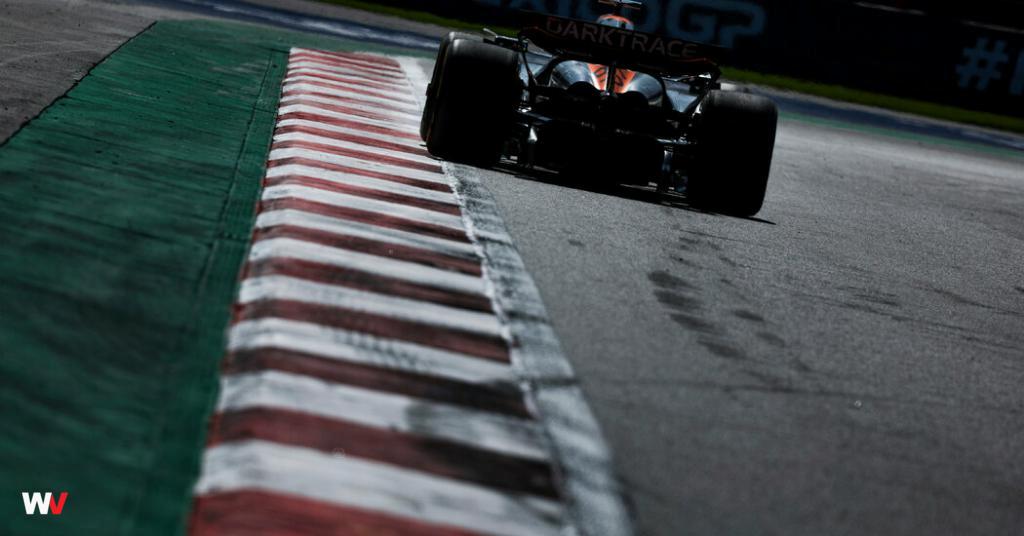
For Formula 1 cars racing in Mexico City, the normal rules don’t apply.
When speeding down a straight that is almost a mile long, teams would usually need to race a car with as sleek a body shape as possible to cut through the air and hit top speeds quickly. But at the Autódromo Hermanos Rodríguez, where this weekend’s Mexico City Grand Prix will be held, it’s the opposite.
Autódromo Hermanos Rodríguez first held a Formula 1 world championship race in 1963. For the drivers, the track will feel more akin to racing on a slippery street course like the one in Monaco, where regular automobiles that use the streets when Formula 1 is not in town wear away the traction provided by the sticky tire rubber laid down by racecars.
In Mexico, it’s all about altitude. The country’s capital city is a little more than 7,000 feet above sea level, one of the highest of any capital city (La Paz, Bolivia, is No. 1 at about 12,000 feet). But in Formula 1 terms, there is no competition.
The next highest races are the Brazilian Grand Prix at about 2,700 feet above sea level and the Austrian event at about 2,200 feet. Las Vegas is next up at about 2,000 feet. Of the other 20 events this year, 11 sit under 50 feet.
Whereas the air is heavier at sea level, Mexico City’s great height results in thinner air, taking the breath away from drivers, suffocating cars and upending the normal engineering processes for the teams at the race.
“Theoretically you should be moving faster. But without that mass of air [to press down on the cars], it’s the same,” Tim Wright, a former race engineer for the McLaren team, said about the effects of Mexico City’s thinner air.