Science
Why Are Cats Such a Medical Black Box?
In the United States, 1 in 3 households has a pet cat. Credit…Caroline Gutman for The New York TimesBut many aspects of feline health remain a mystery, even to experts. Credit…Octavio Jones for The New York TimesAnd when one of our kittens …
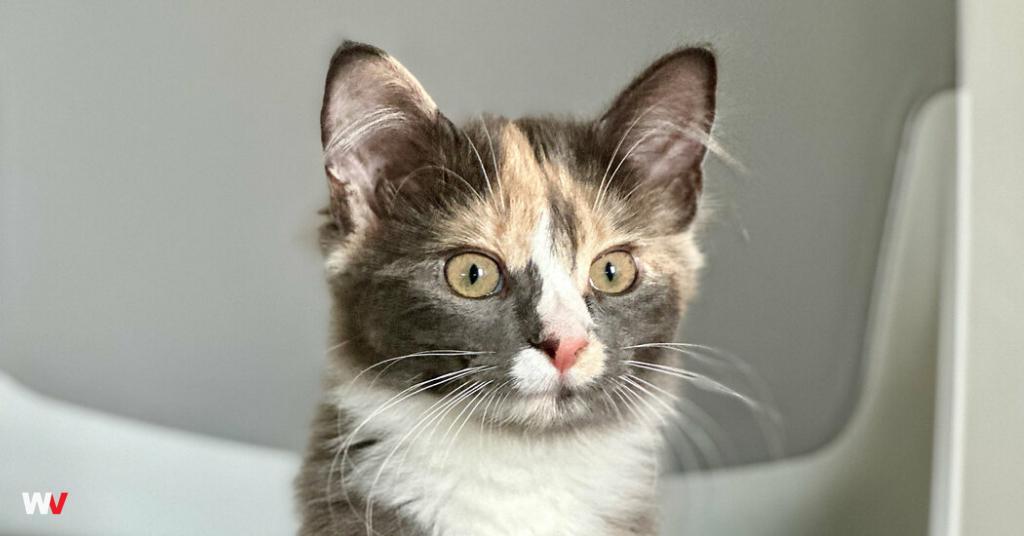
In the United States, 1 in 3 households has a pet cat.
But many aspects of feline health remain a mystery, even to experts.
And when one of our kittens became critically ill last year, no one could explain why.
pet theory
Why Are Cats Such a Medical Black Box?
By Emily Anthes

Emily Anthes is a science reporter who writes Pet Theory, a column about our creature companions.
March 11, 2025
When my husband and I took our cat to the vet early last year, we were hoping to hear that we had nothing to worry about. Olive, a longhaired tortoiseshell kitten who had been the runt of her litter, was naturally quiet and skittish, prone to hiding in closets and napping behind the shower curtain. That made her hard to read — and sometimes simply to find.
But days earlier, we had started wondering whether she might be sick. Did she seem even more reserved than usual? It was hard to say, but we decided to ask her vet just to be safe. The vet immediately noticed that Olive’s gums were pale and that her heart was racing. A quick blood test revealed that she was severely anemic, with a blood-cell volume so low, the vet said, it was “incompatible with life.”
So began a monthslong ordeal featuring repeated visits to the veterinary I.C.U., more than a dozen blood transfusions and few solid answers.
“Cats have been so understudied,” said Elinor Karlsson, a geneticist at UMass Chan Medical School and the Broad Institute. “They’re going to remain a black box unless something changes on the research side.”
Dogs as the default

“It’s not reasonable to assume that everything that works in a dog will work in a cat,” said Dr. Bruce Kornreich, who directs the Cornell Feline Health Center. “There’s a lot that we still need to learn.”Credit…Octavio Jones for The New York Times
Over the last few decades, veterinary medicine has made enormous strides, allowing pets like Olive to receive highly advanced care. But feline medicine has lagged behind its canine counterpart, and it is not always easy to provide evidence-based medicine for cats. “It’s still considered a bit of a niche interest,” said Dr. Karen Perry, a veterinary orthopedic surgeon with a focus on feline health at Michigan State University.