

Politics
New York City’s Mental Health Crisis Response Falls Short, Audit Finds
A program that sends health professionals, instead of police officers, to respond to 911 calls about people in mental distress has struggled to meet demand.
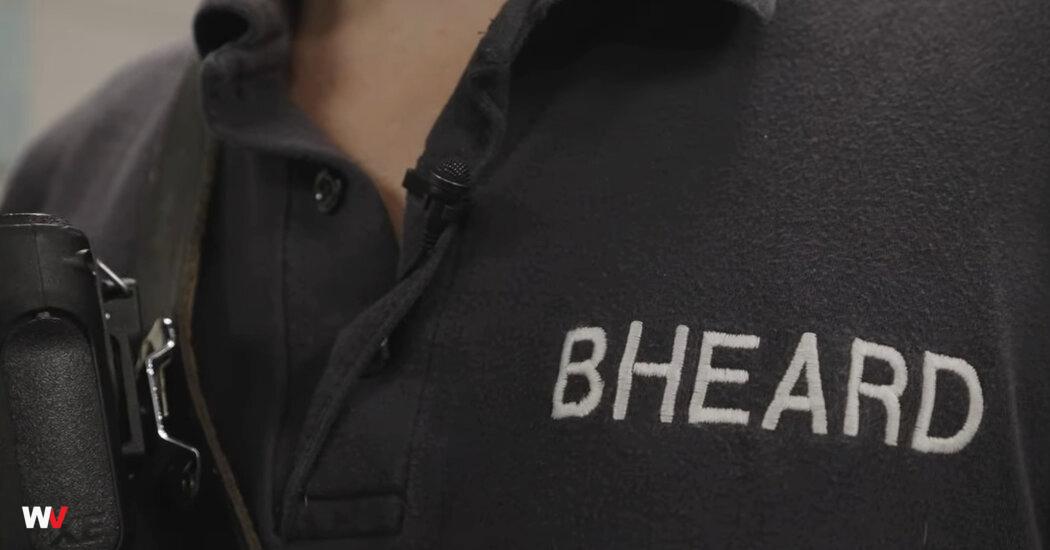
More than a third of 911 calls in New York City about people in emotional distress that were eligible for a response from mental health workers did not receive one, a new audit by the city comptroller’s office found.
The program that sends the mental health workers, called the Behavioral Health Emergency Assistance Response Division, or B-Heard, began as a pilot in 2021 and does not cover the entire city. It dispatches teams of emergency medical workers and mental health professionals to assist people in crisis instead of police officers, who advocates say lack proper training and can escalate situations.
But often, B-Heard teams do not arrive at all, and police officers do instead, the audit found. Between 2022 and 2024, the teams did not respond to more than 13,000 calls that met the program’s criteria. That’s about 35 percent of all eligible calls, according to the audit.
“Thousands of people and their loved ones call 911 for mental health emergencies, because our current system has no better way of handling these crises,” Brad Lander, the comptroller, said in a statement announcing the audit.
“But despite B-Heard’s good intentions, thousands of these calls go unanswered or met with only a police response woefully unequipped to handle a medical episode,” said Mr. Lander, who is also a Democratic candidate for mayor.
The city started B-Heard to test alternatives to having the police respond to mental health calls. Such encounters can have tragic outcomes, as in the case of Win Rozario, a 19-year-old in distress whom officers shot and killed in his Queens apartment last year after he called 911 seeking help.





