Politics
Left Out of Trump’s New York Myth: A Reliance on Big Tax Breaks
In the new biopic “The Apprentice,” much is made of Trump’s tutelage under the venal fixer Roy Cohn. But the film shrewdly locates the secret of his success: tax abatements.
“The Apprentice,” the film dedicated to illuminating the Donald Trump origin story, made its debut at the Cannes Film Festival last spring to an eight-minute standing ovation and opened in American theaters last weekend to a bleak $1.6 million box-office tally and a predictably damning appraisal from its protagonist, who called it “fake,” “classless” and a “politically disgusting hatchet job.”
The film is a lot softer than that judgment would imply, centering on Mr. Trump’s initial days in Manhattan real estate as he untethers himself from an oppressive father to succumb instead to the savage ventriloquy of Roy Cohn. The relationship between the young developer and the McCarthyite lawyer has been extensively chronicled over the years: Mr. Cohn (played by Jeremy Strong with a gloomy ruthlessness) gave the future president his style, his rhetoric, his bluster, his playbook. Get sued, sue back. Always be blaming; always be litigating. By the time Mr. Trump encounters his first major political adversary, his self-certainty and comfort with attack are fully rooted.
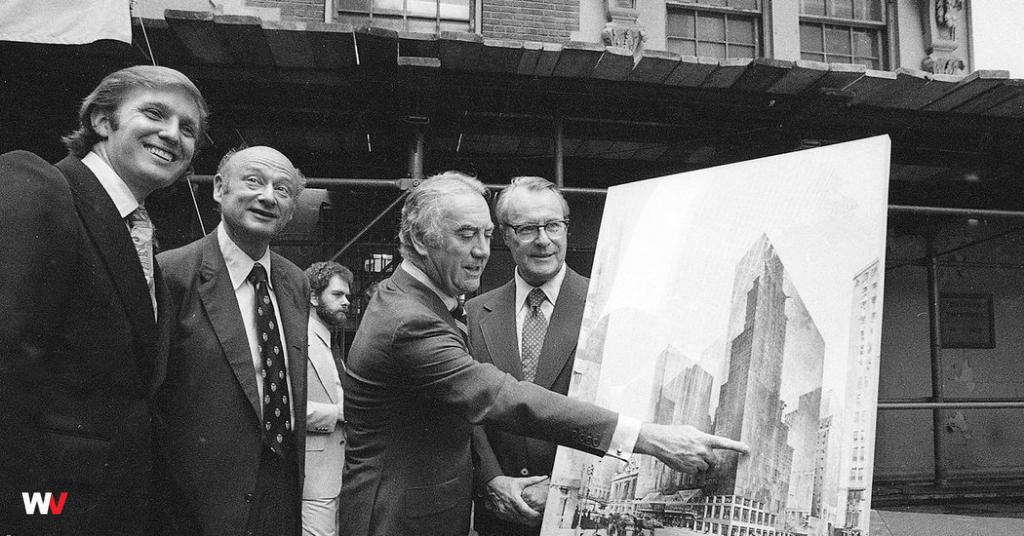
As the film makes clear, that foil arrived in the form of Mayor Ed Koch, a man also very much at ease with his own arrogance and combative nature. In the early 1980s, Mr. Trump was looking for a 10-year tax break from the city for the construction of Trump Tower: what he called “the ultimate vision of an elegant life seen through a golden eye.” It would replace Bonwit Teller, on Fifth Avenue, the women’s clothier that opened in 1929 with Eleanor Roosevelt in attendance. Trump Tower opened with a branch of Harry Winston, where you could buy a jewel-encrusted “taxi whistle” for $8,000. Mr. Koch, dealing with the fallout from New York’s fiscal crisis, saw no need to subsidize a project that would serve such a tiny, privileged segment of the city’s population.
“The Apprentice” depicts Mr. Trump telling interviewers how he really feels about the mayor. The feud with Mr. Koch essentially left him with the template for future public disparagement. “I would say he’s got no talent and only moderate intelligence,” Mr. Trump explains in what would become a familiar refrain. “Ed Koch has been a disaster for New York, and he’s done a lousy job as the mayor,” Sebastian Stan’s Donald Trump says in the film, drawing from comments made by the real Mr. Trump. “Anybody who lives in New York knows it.” The city denied Mr. Trump the tax break, so he sued the Koch administration and won.
In one common understanding of modern New York, it was during the Bloomberg years that the city granted the real estate industry such autonomy, giving so much of itself to the very rich. But if “The Apprentice” reveals anything, it is that these concessions began in earnest much earlier and that the demands made by the Trump empire were central to much of the change.