Politics
Homeless People Sue New York City for Throwing Away Their Property
The lawsuit, which could become a class action, argues that the city’s cleanups, or “sweeps,” violate constitutional protections against illegal searches and seizures.
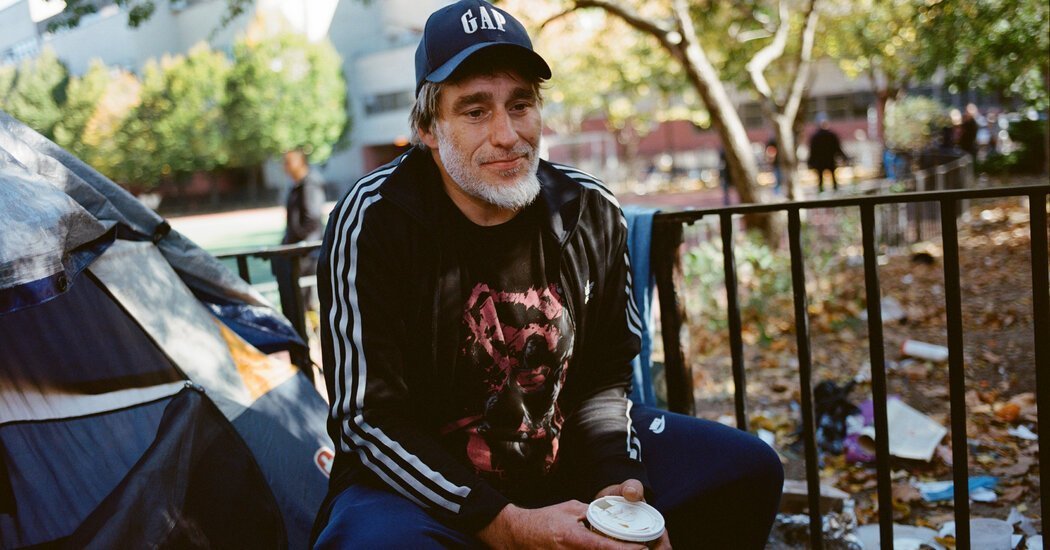
Thousands of times a year, a crew of New York City workers approaches an outdoor place where a homeless person is staying. A park bench. A stretch of sidewalk. The doorway of an abandoned building.
Sometimes the person is given a few minutes to gather any belongings and leave. But often, many or all of those possessions end up in the back of a garbage truck.
On Tuesday, a housing support group sued the city in federal court in Manhattan, saying the cleanups violated homeless people’s constitutional protections against illegal searches and seizures.
The group, the Safety Net Project of the Urban Justice Center, and six named homeless people are seeking to have the suit certified as a class action that would cover thousands of homeless people. The lawsuit accuses the city of routinely violating its own policy on cleanups, which says the city must offer to store certain types of confiscated property for up to 90 days and give the owner a voucher to claim it. The suit argues that the cleanup policy is unlawfully broad and claims that the city almost never issues vouchers or returns confiscated possessions.
Sweeps, as the cleanups are commonly called, are a linchpin of Mayor Eric Adams’s push to eliminate street homelessness, which he announced shortly after taking office in 2022 amid rising concern about general disorder in the city. At the time, there were increasing complaints about encampments blocking sidewalks and creating nuisances.
Under Mr. Adams, the city has done more than 10,000 sweeps as part of its effort to get people to move indoors to shelters, according to city data released to the Safety Net Project under the Freedom of Information Law.