

Politics
Fear on the Subway: Perception and Reality
The chance of being a crime victim in the subway is remote. But riders feel far more at risk than they do driving on New York’s streets and highways.
Good morning. It’s Wednesday. Today we’ll look at the perceptions and the realities of crime in the subway. And, because it’s the first day of the state legislative session, we’ll look at the colonial-era lawyer who compiled a book of state laws when state government was brand-new.
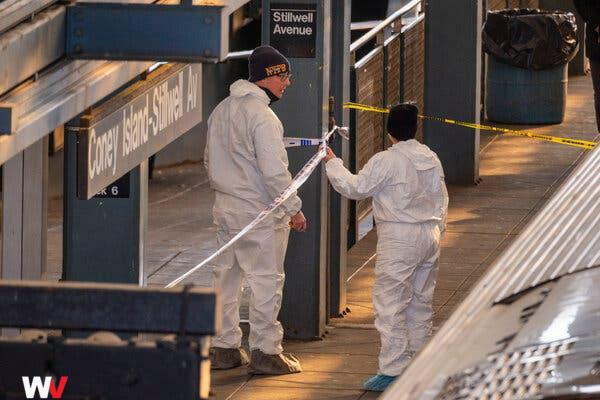
Credit…Dakota Santiago for The New York Times
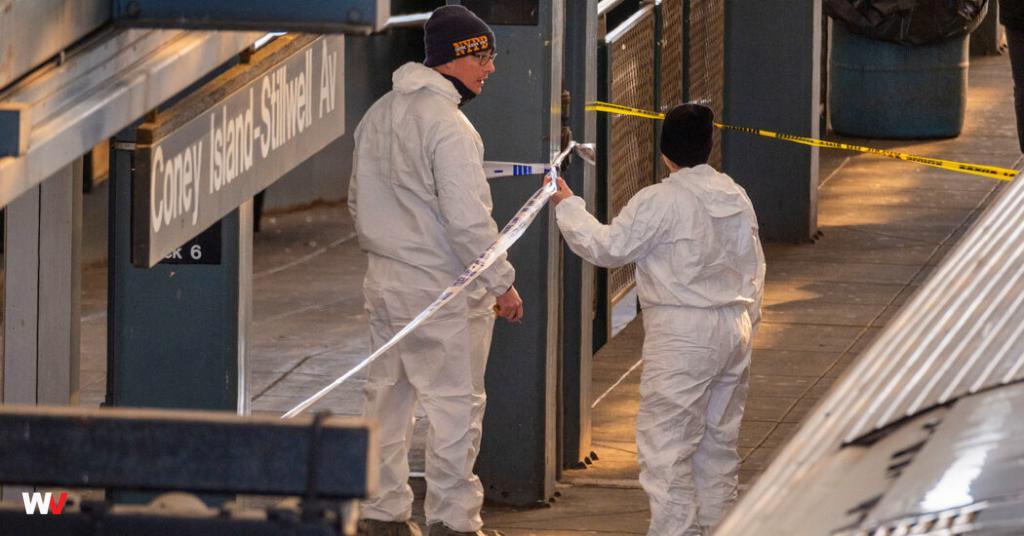
Last year ended and 2025 began with a disturbing torrent of incidents in the subway: a woman burned to death on a subway car that was parked at the end of the line in Brooklyn, a man stabbed to death on a train in Queens and at least three other attacks.
Each heightened the perception that the subways are unsafe.
Mayor Eric Adams and Jessica Tisch, the police commissioner, used the word “perception” seven times in a briefing on citywide crime statistics on Monday. “The subways will always be a bellwether for the perception of public safety in New York City,” Tisch said. “Declining crime numbers are significant, but we must still do more because people don’t feel safe in our subways.” Later the mayor said: “It is clear perception always overrides reality.”
I asked Andy Newman, who covers homelessness and poverty in New York — and used to cover transportation — to talk about the perception and reality of recent crimes in the subway.
The crime figures that Adams and Tisch released echoed a New York Times analysis of M.T.A. and police statistics from 2022, which showed that the chance of being a victim of violent crime in the subway was remote — roughly the same as the chance of being injured in a car crash during a two-mile drive. Why does the subway seem scarier?