

Politics
5 Takeaways From The Times’s Investigation Into Shen Yun
The dance group has discouraged performers from seeking medical care when they were injured and has subjected them to emotional abuse and manipulation, The Times found.
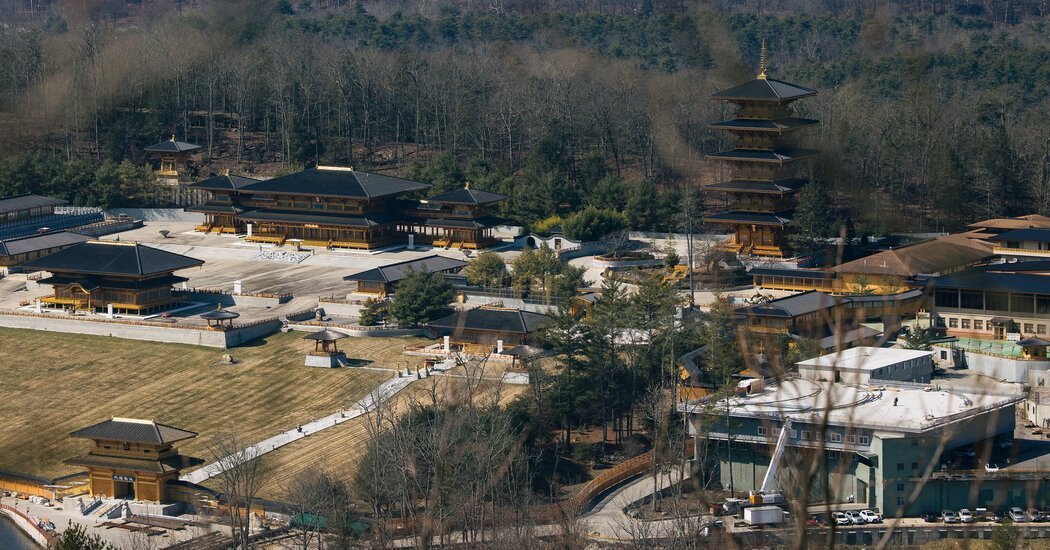
Shen Yun Performing Arts, the traditional Chinese dance and music group, is an international sensation — with hundreds of performers on its annual world tour and holdings of more than $265 million.
But a New York Times investigation found that the group’s success has come at a high cost for its young performers, many of whom were teenagers.
In interviews with 25 former dancers, musicians and instructors, The Times found that performers in Shen Yun were routinely discouraged from seeking medical care for injuries and often worked grueling hours for low pay — while being subjected to emotional abuse and manipulation.
The show seeks to spread the message of Falun Gong, a spiritual movement with roots in China that has been persecuted by the Chinese government for more than two decades. Its performers come from all over the world to live and train in upstate New York, and nearly all of them have family members who practice Falun Gong.
Many performers said they pushed themselves to their limits out of reverence for Falun Gong’s founder and spiritual leader, Li Hongzhi — seeing him as a living god and the creator of the universe.
Mr. Li, who is in his early 70s, helped create Shen Yun in 2006. He and other lieutenants oversee the group’s training inside a secluded 400-acre compound known as Dragon Springs in Cuddebackville, N.Y. Performers are taught to greet Mr. Li as “shi fu,” the Chinese word for “master.”





