General
Yoshio Taniguchi, Architect for MoMA’s Expansion, Dies at 87
He was a surprise choice for the $850 million project, but his design won praise as “drop-dead elegant.”
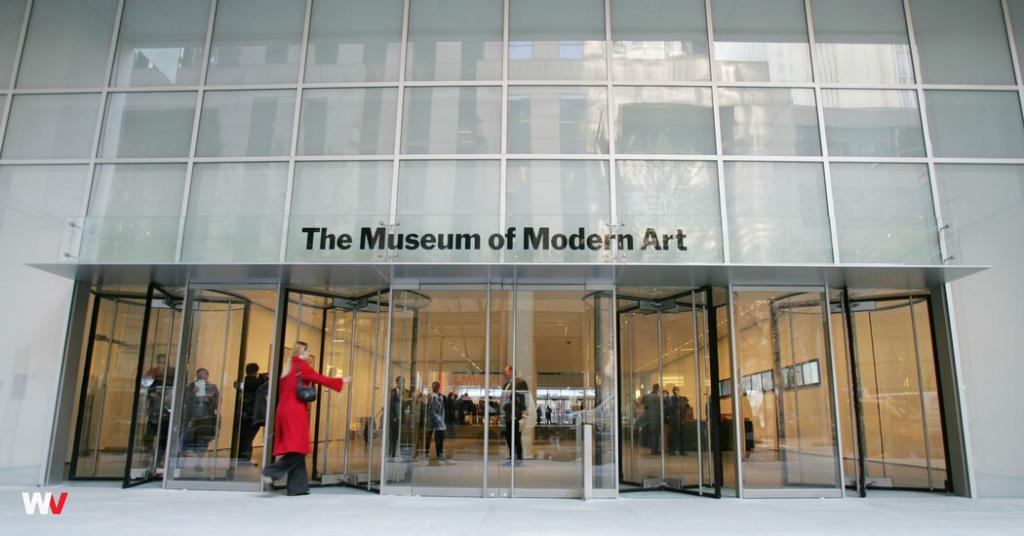
Yoshio Taniguchi, a Japanese architect who gained international fame in 1997 when he was chosen to renovate and expand New York’s Museum of Modern Art, a project that cost $850 million and was completed in 2004, died on Dec. 16. He was 87.
The cause was pneumonia, his company, Taniguchi & Associates, said in a statement. The statement did not say where he died.
Mr. Taniguchi was a surprise choice for the MoMA commission. The museum had asked 10 architects to participate in a multistage selection process. The others — including Rem Koolhaas, Herzog & de Meuron, Steven Holl and Bernard Tschumi — were fairly young, somewhat radical and veterans of architecture competitions.
At 60, Mr. Taniguchi was the oldest of the 10, and he had no previous competition experience. He was also little known outside Japan, where he had designed a number of museums that were beautiful, but small and understated.
In an interview, Peter Walker, the American landscape architect who worked with him on several of those projects, said, “Taniguchi is one of the few architects practicing today who believes that the greatest quality architecture can possess is stillness.”
Members of the selection committee visited Mr. Taniguchi’s museums, some of them quite far from Japan’s capital. Ronald S. Lauder, then MoMA’s chairman, once joked that it was easy to reach Mr. Taniguchi’s buildings from New York: “All you have to do is get to Tokyo and you’re halfway there.”