General
Why It Matters That Jesus Came From a Dysfunctional Family
One of the forgotten facts of the story of Jesus’ life is that he came from a profoundly dysfunctional family. I was reminded of this while listening to a sermon this month at Groveton Baptist Church in Alexandria, Va. Chris Davis, the pastor of the …
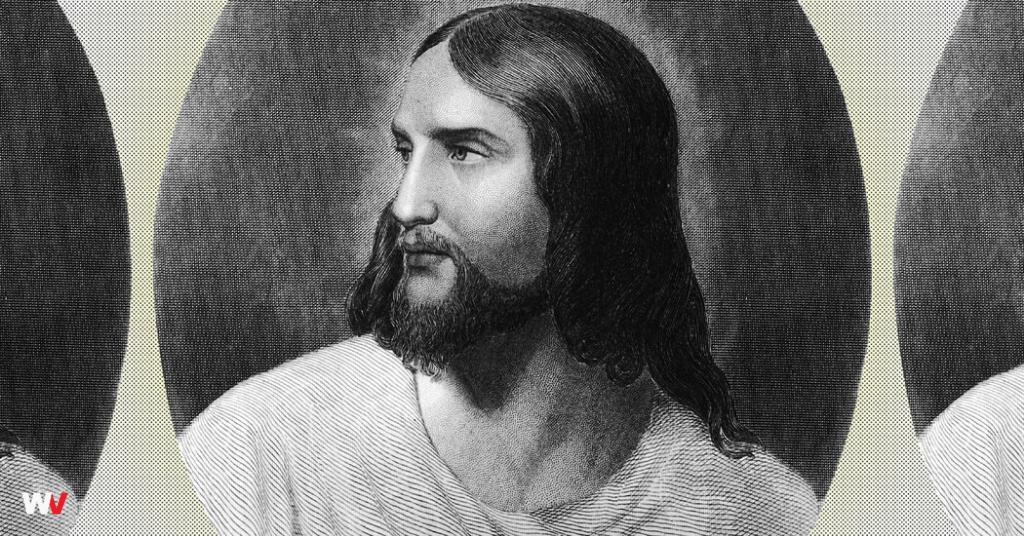
One of the forgotten facts of the story of Jesus’ life is that he came from a profoundly dysfunctional family.
I was reminded of this while listening to a sermon this month at Groveton Baptist Church in Alexandria, Va. Chris Davis, the pastor of the church, took as his text the first 17 verses of the Gospel of Matthew, known as the genealogy of Jesus. Those verses, a long list of names that ties one generation to another, are often skipped over in favor of the story of Jesus’ birth. To the degree that they have any meaning at all, it’s usually because for Christians it establishes Jesus as the heir to the promises God made to Abraham and David.
But as the pastor pointed out, Jesus came down to us through broken families: “one generation begetting brokenness of another generation begetting brokenness of another generation begetting brokenness of another generation.” There were murderers, adulterers, prostitutes and people who committed incest, liars, schemers and idolaters.
Jesus may have been sinless, but those in his lineage were not.
Just as remarkable is that the Gospel of Matthew didn’t hide this troubled family history. According to Michael S. Keller, senior pastor at Redeemer Lincoln Square Church in New York: “These genealogies were an ancient type of résumé. It’s Jesus’ DNA — because your family, your lineage, was your résumé.”
So why was this material there in the first place? Perhaps it’s to show that what could have been a source of shame for Jesus wasn’t — and therefore that it need not be for those of us whose families and histories have shadow sides.
Someone once described churches as being places where we present highly edited versions of ourselves. We want to project to one another, and to the outside world, that we have our lives all put together, that we are “shiny happy people,” even when we’re not. This is Potemkin village Christianity. What Jesus seemed to have had in mind is the church being more of “a field hospital after battle,” in the words of Pope Francis. Heal the wounds, he said. Then we can talk.