General
Why Is Trump Spreading Rumors About Haitian Immigrants? Rousseau Knows.
Donald Trump’s claims about Haitian immigrants in Springfield, Ohio, this month were bizarre and outlandish, but they worked. Within days, the city had become what Gov. Mike DeWine called the “epicenter of vitriol over America’s immigration policy …
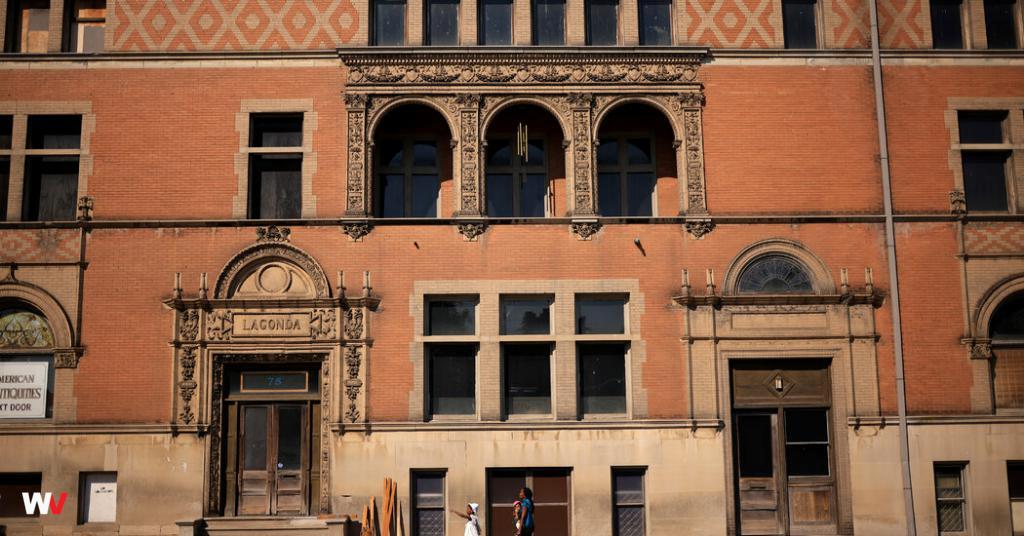
Donald Trump’s claims about Haitian immigrants in Springfield, Ohio, this month were bizarre and outlandish, but they worked. Within days, the city had become what Gov. Mike DeWine called the “epicenter of vitriol over America’s immigration policy.”
Soon, it was awash in bomb threats. The accusations divided not only the city’s residents but also Americans more broadly. A recent poll suggests that more than half of Trump supporters accept his unsubstantiated allegations as true while only 4 percent of Kamala Harris’s supporters do.
Fractious rhetoric has always been a feature of politics. But it is still difficult to discern why such appeals resonate so much now. Taking a few steps back to an early diagnostician of divisiveness, the prickly 18th-century Genevan philosopher Jean-Jacques Rousseau, can help.
Rousseau’s “Discourse on the Origin and Foundation of the Inequality of Mankind,” in which he explored the origins and effects of economic inequality on societies, is perhaps his most enduring work. In it, he observed that unequal societies are inevitably divided into two diametrically opposed classes, rich and poor. While the poor struggle to liberate themselves from poverty and oppression, the rich and powerful employ clever techniques to maintain their wealth, power and status.
Inequality wasn’t new to the 18th century. It had been a central attribute of the feudal world. But its ability to survive feudalism’s decline during the Enlightenment was alarming, and it became increasingly important for Rousseau to understand the techniques by which it was maintained.
One tool that sustained inequality, Rousseau observed, was divisiveness. It is, he observed, in conditions of extreme inequality that cynical leaders would foment “everything that might weaken men united in society, by promoting dissension among them” and sowing the “seeds of real division.” Those in power accomplish this, he speculated, by fostering a “mutual hatred and distrust, by setting the rights and interests of one against those of another.”