

General
When the Price of Your Burrito Clashes With Your ‘Reference Price’
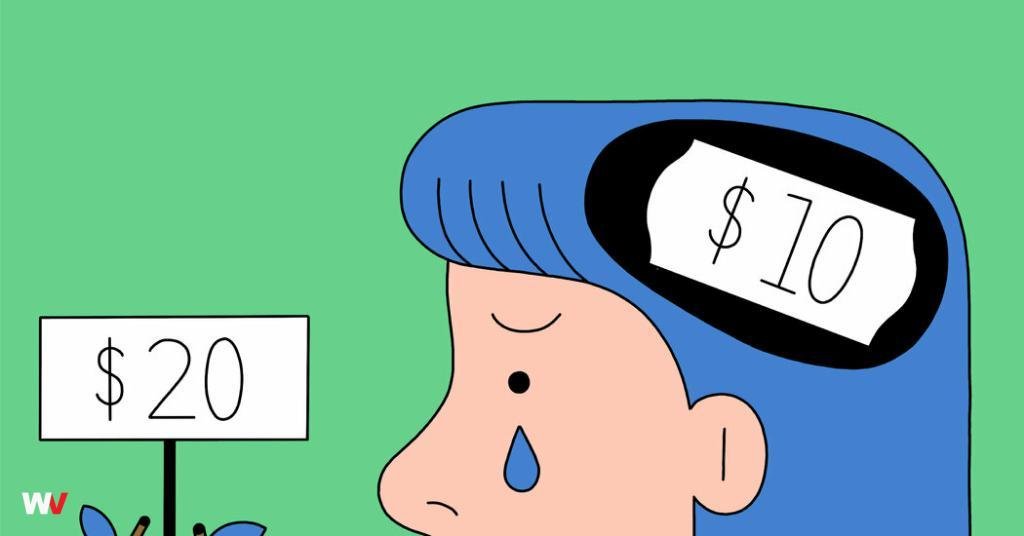
The term refers to what we have internalized as the fair price for a product or service. It’s often out of sync with what things now actually cost.
After two years of the highest inflation since the 1980s, the problem of rapid price increases appears largely under control, according to most indicators. But that’s not how consumers experience it.
In grocery stores and restaurants, many consumers are still having sticker shock, and that has a lot to do with what economists call “reference prices.”
In the context of consumer behavior, a reference price is what people have come to see as the fair or normal cost for a product or service, based roughly on what they have paid for it in the recent past. That means, for instance, that paying $4 for a slice of pizza can feel like a rip-off compared with the $3 or so that many consumers were used to paying in recent memory.
“I went to get my regular crispy rice bowl and the price came out to $18 and some change!” the Reddit user can-dee said in a recent post about the fast-casual salad chain Sweetgreen. “It used to be $15! Is this a seasonal change or a forever type of thing?! Omg. Anyone else notice this or is it just in my area?”
How it’s pronounced
/rĕ-fər-əns prīs/





