
General
What You May Not Know About the Fish You Eat
More from our inbox: The G.O.P.’s Catholic ConundrumBlocking Your Emotions Is Bad for Your HealthCredit…Andrew B. MyersTo the Editor: Re “Too Much of Our Seafood Has a Dark Secret,” by Paul Greenberg and Carl Safina (Opinion guest essay, What to …

More from our inbox:
- The G.O.P.’s Catholic Conundrum
- Blocking Your Emotions Is Bad for Your Health
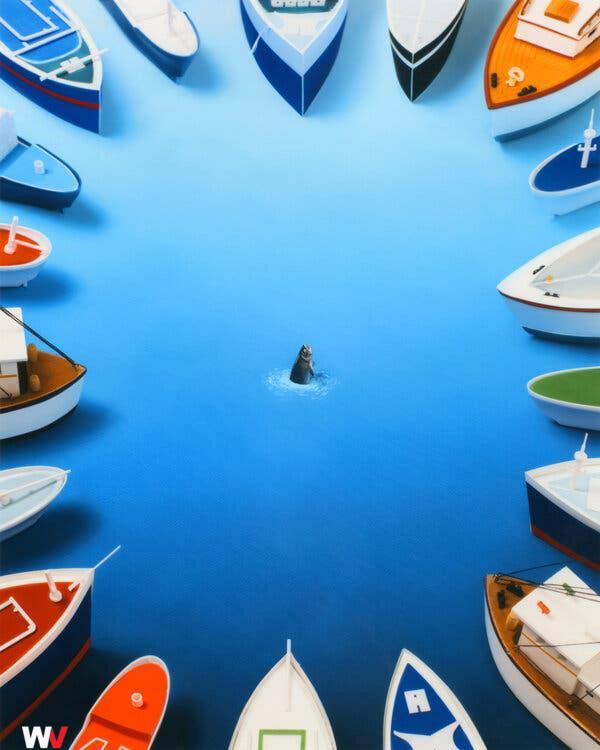
Credit…Andrew B. Myers
To the Editor:
Re “Too Much of Our Seafood Has a Dark Secret,” by Paul Greenberg and Carl Safina (Opinion guest essay, What to Eat on a Burning Planet series, Aug. 15):
The burden of scouring shelves or interrogating waiters to determine if seafood is safe, legally caught, responsibly sourced and honestly labeled should not fall solely to consumers. Nor should consumers have to avoid certain seafood altogether, as the article suggests. Instead, the U.S. government should improve and implement safeguards to block imported seafood sourced from illegal fishing and entailing human rights abuses.
With more than 2,000 species of seafood from all over the world for sale in the United States, it is unrealistic to expect the American consumer to independently and accurately determine what fish is being sold.
As one of the world’s largest importers of seafood, the United States has the responsibility — and purchasing power — to combat illegal, unreported and unregulated (I.U.U.) fishing and human rights abuses and block the products of these practices from reaching our plates.
The United States imported more than $25 billion worth of seafood in 2023. Yet only 30 percent of that was subject to the Seafood Import Monitoring Program, which requires catch documentation and traceability of a limited amount of seafood from the boat to the U.S. border. Without proper traceability measures that cover all seafood, the products of I.U.U. fishing or human rights abuses will continue to end up in our schools, restaurants and stores.
The most important step the U.S. government can take now is expanding the Seafood Import Monitoring Program to include all imported seafood to ensure that we don’t have hard truths to swallow with our seafood dinners.
Max Valentine
Washington
The writer is the campaign director for Oceana’s illegal fishing and transparency campaign in the United States.