
General
What You Can See From the High Line
Back in the late 1990s, when Joshua David and I founded Friends of the High Line, a grass-roots organization dedicated to keeping a decrepit elevated freight railway on the west side of Manhattan from being demolished, we could never have predicted …
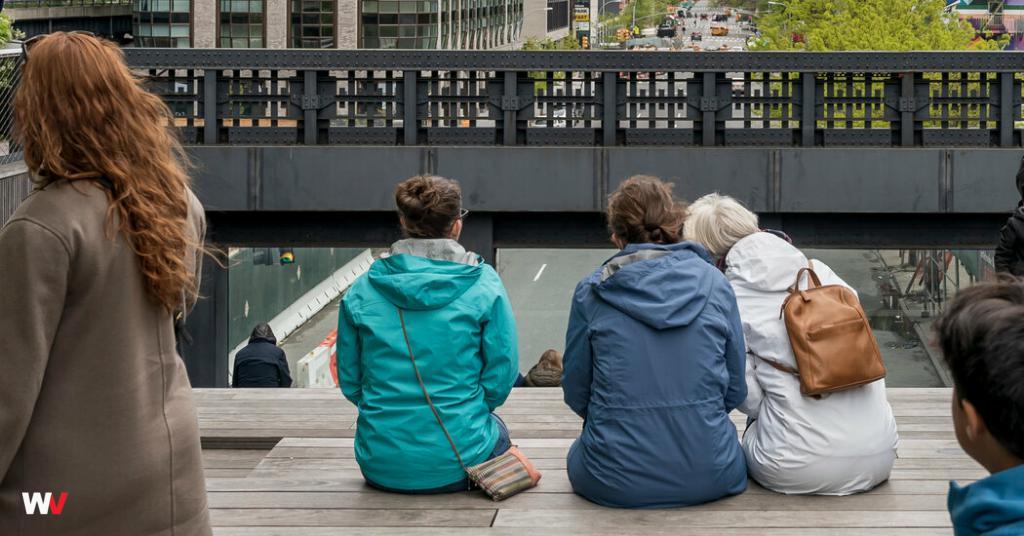
Back in the late 1990s, when Joshua David and I founded Friends of the High Line, a grass-roots organization dedicated to keeping a decrepit elevated freight railway on the west side of Manhattan from being demolished, we could never have predicted how creating a 1.45-mile-long park would also transform the gritty underpopulated industrial blocks alongside it into a bustling area that is now home to some of the flashiest real estate on the planet. Today, the High Line attracts tourists but also, contrary to what you might think, plenty of New Yorkers. And in the process it has inspired cities all over the world to reimagine their own old urban infrastructure. Today its success seems inevitable. How it actually turned out this way is harder to pin down.
Back in 2004, as we (with the visionary backing of the Bloomberg administration) sought proposals for a park design, we had only the vaguest notions of what all this might look like, and how it would function. Did the rusty ruin covered in wildflowers have to “do” something and what would that be exactly?
There were a lot of people who helped out on that, but perhaps the most important one, especially in the beginning when the vision was being set, was the architect Ricardo Scofidio, who died on March 6 at age 89. I can’t walk on the High Line and not think about how radical and uncompromising so many of his ideas were, but also how he was able to compromise, taking into account other people’s ideas, or just practical considerations. And yet the park never feels compromised.
Four design teams were the finalists in 2004, including Steven Holl, who had in the 1980s proposed building a series of houses atop the High Line (the model of which is in the collection of MoMA today). There was Zaha Hadid’s proposal, which was futuristic and artificial, involving, as I recall, AstroTurf. The architect Michael Van Valkenburgh wanted to create a new version of the old abandoned tracks, imitating as close as possible the industrial detritus and wild landscape that was already there. None seemed quite right.
Then there was the team that included Mr. Scofidio and his wife and fellow architect, Elizabeth Diller, as well as the landscape architect James Corner Field Operations and the garden designer Piet Oudolf. I don’t remember exactly what this team said in their presentation, but I remember the feeling of it. Ms. Diller and Mr. Scofidio started arguing — first with each other, then with Mr. Corner.
Perfect, we thought, and hired them.
As it turns out, it was Mr. Scofidio we mostly worked with, since around that time his firm, Diller, Scofidio + Renfro, won a competition to rethink parts of Lincoln Center, and Ms. Diller focused more on that.