Future
What Wall Street Wants to Hear at the Debate
Taxes, tariffs, trade and regulation: Business leaders have a long list of topics they want addressed in Tuesday’s presidential showdown.
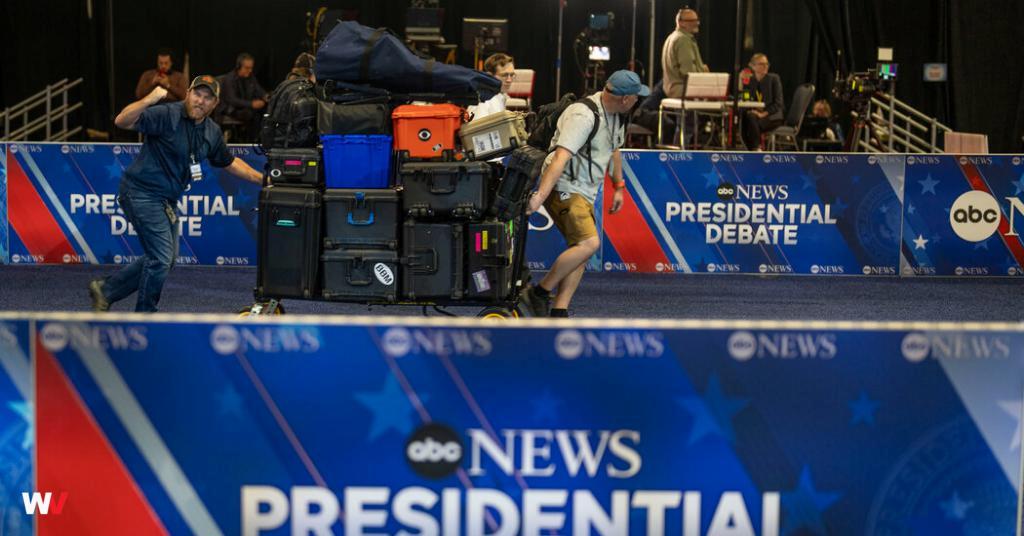
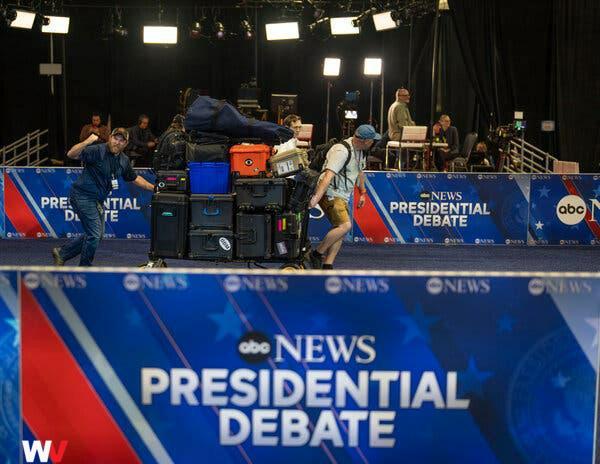
The stakes are high for tonight’s debate.Credit…Doug Mills/The New York Times
What Wall Street wants to hear
With less than two months until the presidential election, there isn’t much time left for singularly impactful moments. Tuesday’s debate between Vice President Kamala Harris and Donald Trump will be one of them — and the corporate world will be paying attention.
The stakes for the showdown, which begins at 9 p.m. Eastern, are high, given how tight the race is and how the last debate, between Trump and President Biden, transformed the contest.
Wall Street wants more insight into Harris’s positions. Candidates rarely make big policy announcements atdebates, but business leaders willbe watching to see the depthwith which she talks about economic policy and how she differentiates herself from Biden. (Behind a surge in support from that community is the hope that Harris will be friendlier to business than the president.)
Here are some questions DealBook would ask Harris about her economic policies:
-
What was behind your decision to soften a proposed increase on the capital gains tax?
-
What exactly is your proposal to tackle price gouging, given how widely it has been interpreted?
-
Are you willing to end the filibuster to pass policies like an expanded child tax credit or a cap on prescription drug prices?
-
Would you replace Lina Khan as chair of the F.T.C.?
For Trump, the focus will be on his age and mental fitness. Those issues, which had dogged Biden going into the last debate, ended up sinking his re-election campaign. Now, they are being raised about Trump, who is nearly two decades older than Harris. An especially hard-to-follow answer on child care at the Economic Club of New York last week heightened those concerns for some.
Trump’s response did touch on some of his big economic focuses, including tariffs. Here’s what else DealBook would ask him:
-
You favor cutting taxes and raising tariffs, but are you concerned that could widen the income gap?
-
How would you respond to analysis that suggests that your trade policy proposals would lead to higher inflation?
-
Do you think the Fed should be independent?
-
Do you agree with your running mate, Senator JD Vance of Ohio, who supports Khan’s tougher approach to antitrust?
An influential report has weighed in on what each candidate’s policies might mean for the U.S. deficit. The Penn Wharton Budget Model estimates that Trump’s tax and spending proposals would increase primary deficits by up to $5.8 trillion over the next decade. It estimates that Harris’s plans would raise them by up to $2 trillion.
Investors remain on edge about the contest. Measures including the futures curve of the VIX, which tracks stock volatility and is also known as Wall Street’s “fear index,” show that markets are likely to remain unsettled through Election Day.