General
What Trump Could Do to the U.S. Military
President-elect Donald Trump and members of his transition team have reportedly considered plans to fire Gen. C.Q. Brown, the chairman of the Joint Chiefs of Staff, and senior officers connected to former Gen. Mark Milley, and to potentially ensure …
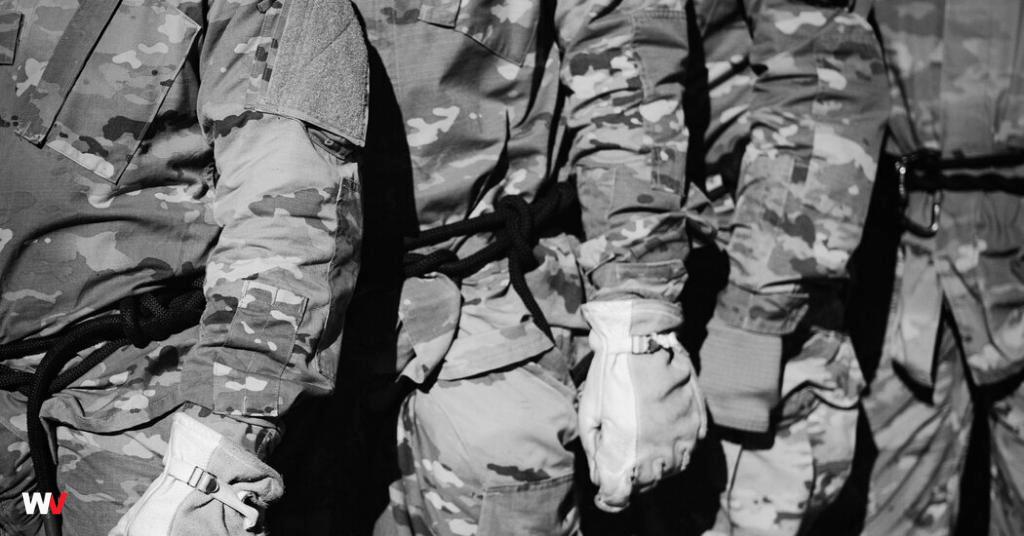
President-elect Donald Trump and members of his transition team have reportedly considered plans to fire Gen. C.Q. Brown, the chairman of the Joint Chiefs of Staff, and senior officers connected to former Gen. Mark Milley, and to potentially ensure the promotion of senior officers based on their personal loyalty to the president. These would be radical moves, well outside the boundaries of standard Pentagon procedures.
They should surprise no one. Mr. Trump has consistently telegraphed them and has singled out General Milley for his supposed disloyalty to the point where the general is credibly worried that he will be brought out of retirement to be court-martialed. His offenses? Renouncing the use of the active-duty military to quell political protests, making certain the military would not be instrumentalized to support the Capitol riot on Jan. 6, 2021, and assuring Beijing that the United States then remained under stable democratic control to pre-empt any Chinese attempt to exploit perceived disorder.
Mr. Trump seems to require that any pick for secretary of defense — at the moment, Pete Hegseth — repudiate the constitutional sensibilities that General Milley displayed in favor of personal loyalty.
Yet for decades, Americans have counted on the indispensability of a constitutionally alert military. Undermining that would also undermine the military’s unlikely role, performed since World War II, in the vanguard of American liberalism.
The military desegregated in the late 1940s, as Harry Truman sought to resolve questions about why the United States had fought the Nazis at such a high price if only to perpetuate discrimination at home. Bigotry, sexism and homophobia among some members have persisted, but the armed forces as institutions have marched on, incrementally removing obstacles to the service of women, gay people and — until Mr. Trump came along — transgender people.
These developments have signaled that race, gender and sexual orientation are not indexes of patriotism, and the country is stronger for it. The basic theory of civilian-military relations, developed mainly by the political scientist Samuel Huntington in the 1950s, arguably leaves the military itself as the last line of defense against such a future.