General
What to Know About Changes in a Trade Loophole for Online Goods
President Trump scrapped the de minimis rule, a provision that allowed low-cost goods, like clothing from e-commerce sites, to enter the United States without facing taxes.
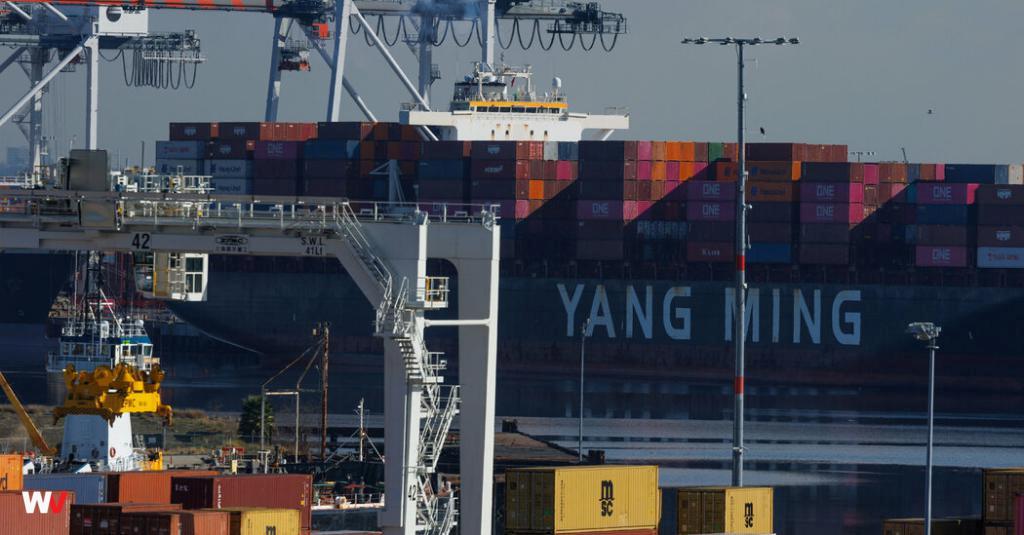
President Trump’s executive orders on Saturday imposing broad tariffs on the country’s three largest trading partners also scrapped a shipping workaround for low-cost products, a move that is poised to alter how many online purchases are taxed.
The provision, known as the de minimis exception, has been used by many e-commerce companies to send goods to the United States from China without having to pay taxes on them. Mr. Trump’s decision to revoke the loophole set off confusion and chaos within the U.S. Postal Service, which initially said it would no longer accept packages from China and Hong Kong, before reversing its decision some 12 hours later.
Mr. Trump’s order on Saturday required that all goods leaving China must follow the same rules for higher-value shipments. His ban on duty-free handling of shipments worth up to $800 could shift the landscape for online sales from fast-fashion retailers like Shein and Temu, which rely on Chinese vendors. Both companies have been able to expand their market share largely by exporting goods into the United States without being subject to duties.
On Monday, leaders of Canada and Mexico reached deals with Mr. Trump to delay the tariff rollouts by 30 days. The broad 10 percent tariffs on Chinese goods went into effect on Tuesday.
Here’s what to know about the de minimis rule:
What is the de minimis provision?
The de minimis rule, or Section 321 of the Tariff Act of 1930, was originally aimed at allowing American tourists to send goods bought overseas to the United States without facing taxes. But more recently, companies have used the provision to ship products from other countries that have a retail value below a certain threshold without being subjected to taxes — a huge tax advantage.
In 2016, Congress raised the entry threshold to $800, from $200. Since then, the number of duty-free parcels has risen tenfold. Under the rule, packages can be shipped from other countries without paying tariffs, as long as the shipments do not exceed $800 per recipient per day.