General
What Is Justice Roberts Getting At?
The Supreme Court’s decision last year in Trump v. United States gave the president of the United States criminal immunity for “official acts,” defined as anything that could involve or plausibly extend to the president’s core duties. Critics of the …
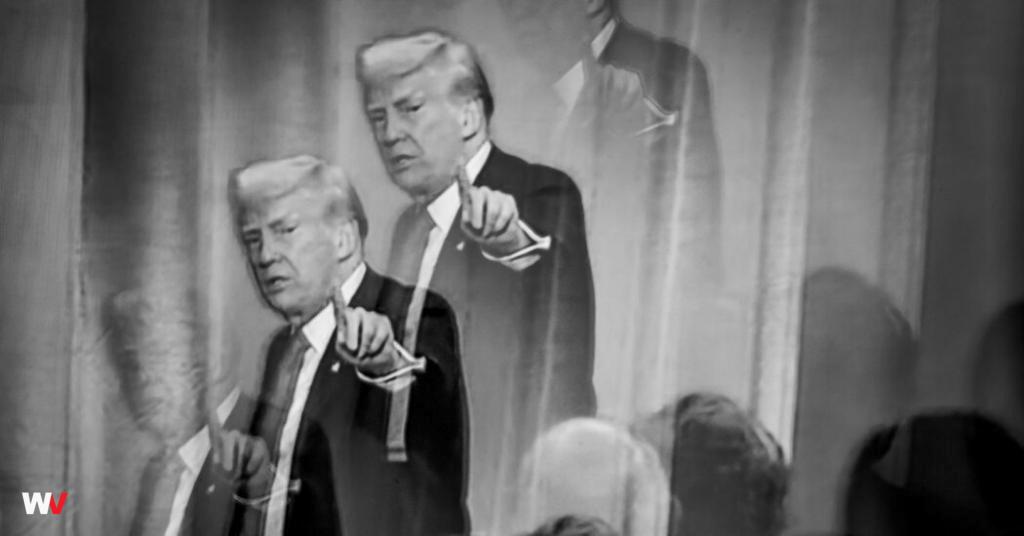
The Supreme Court’s decision last year in Trump v. United States gave the president of the United States criminal immunity for “official acts,” defined as anything that could involve or plausibly extend to the president’s core duties.
Critics of the ruling, such as the constitutional scholar Akhil Reed Amar, were quick to note that the court’s formulation had no basis in the text, structure or history of the Constitution. The dissenting justices in the case, led by Justice Sonia Sotomayor, warned that the ruling would, in effect, make the president a king.
“The court,” Sotomayor wrote, “effectively creates a law-free zone around the president, upsetting the status quo that has existed since the founding.” When the president uses his official powers in any way, she continued, “he now will be insulated from criminal prosecution. Orders the Navy’s SEAL Team 6 to assassinate a political rival? Immune. Organizes a military coup to hold on to power? Immune. Takes a bribe in exchange for a pardon? Immune.”
She was right. In his second term as president, Donald Trump has claimed royal prerogative over the entire executive branch. His lieutenants, likewise, have rejected judicial oversight of his actions, blasting individual judges for supposedly usurping the authority of the president. And it is clear, as well, that Trump attributes this monarchical power to Chief Justice John Roberts. He even thanked him after speaking to a joint session of Congress this month. “Thank you again. Thank you again. Won’t forget,” Trump said, shaking Roberts’s hand as he exited the chamber.
We can’t say for certain what it is that Trump “won’t forget,” but it certainly seems plausible that this was a clear reference to Roberts’s decision in his favor last year.
The president’s belief in his own absolute power and sovereign authority — “He who saves his Country does not violate any Law,” he said last month in a post on his Truth Social network and on X, misquoting a line from the 1970 film “Waterloo” — has gone so far that he has begun to threaten judges who challenge him, calling it, as my newsroom colleague Peter Baker summarized the point, “a high crime and misdemeanor worthy of impeachment for a federal judge to rule against him.”