General
What a Giant Hole Says About a Broad Parking Problem
There’s a powerful but obscure force operating in New York and elsewhere: the parking minimum.
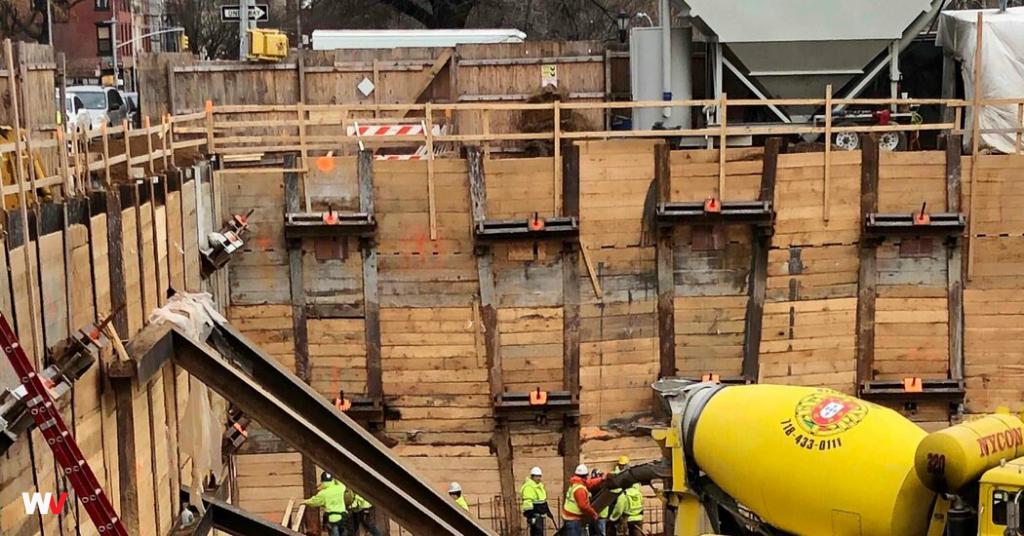
To construct The Dime, a 23-story mixed-use apartment and office building in Williamsburg, Brooklyn, the developer Charney Companies first had to dig a spectacular hole. It was about 30 feet deep, which is a perilous proposition in the middle of crowded New York. The neighboring properties included private homes and a 110-year-old bank building, which, it turned out, was resting on a foundation of stacked stones.
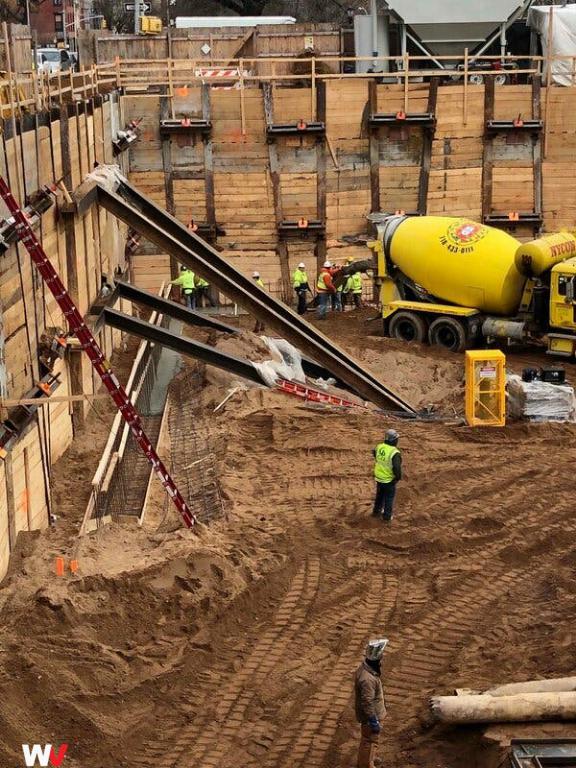
What it took to get a two-story underground garage.Credit…Charney Companies LLC
All the surrounding properties had to be underpinned. All the dirt had to be trucked elsewhere. All this to construct a two-story underground parking garage that the developer believed was entirely unnecessary.
“I think no one has built as much parking when it was not needed on one site than I did with The Dime,” said Sam Charney, the principal of Charney Companies.
We learned about this (possibly unnecessary) hole while reporting on New York’s effort to end parking requirements on new housing. The proposal — part of a larger package of zoning reforms and the subject of a contentious set of City Council hearings this week — follows a growing movement nationwide to end mandatory parking minimums on new buildings that are dictated by city zoning codes.
New York, unlike a number of other cities, is proposing to end the rules only on new housing, not all building types and uses. In an alternate universe where The Dime were built under such reforms, the building would no longer need 124 parking spaces for the residences. But it would still require 104 spaces for the offices, 61 spaces for the retail and 12 spaces for community-facing facilities in the building like a health clinic or library.