Future
‘We Are Not a Normal Company’: OpenAI’s Latest Drama
More high-level departures caught some at the high-flying A.I. start-up off guard, as the company seeks to raise billions to fund its operations and ambitious goals.
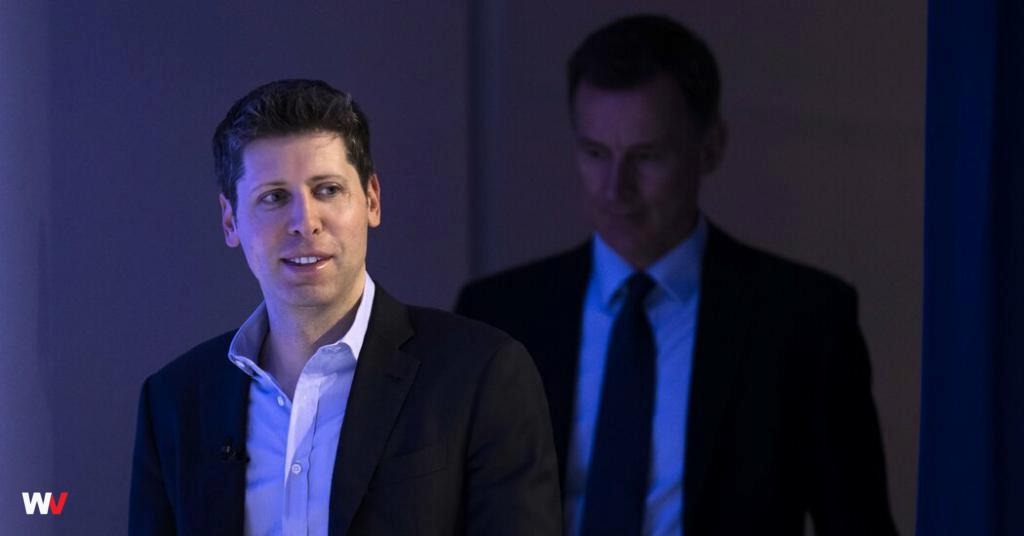
Sam Altman, C.E.O. of OpenAI, is once again dealing with high-level departures in the start-up’s ranks, this time as he seeks to raise billions.Credit…Gian Ehrenzeller/EPA, via Shutterstock
Sam Altman’s latest challenge
OpenAI has had more than its share of drama over the past year, even as it extends its lead in artificial intelligence.
But as ChatGPT’s parent company takes steps to become more palatable to outside investors, it has again lost senior leaders, including its prominent chief technology officer. It’s a reminder that while OpenAI is one of the most consequential highfliers in tech, it’s — as Sam Altman, its C.E.O., put it — “not a normal company.”
OpenAI is in the midst of a significant transition. As part of its efforts to raise one of the biggest fund-raising rounds in recent memory, pushing up its valuation to perhaps $150 billion, the company is moving to become a for-profit business, according to The Times and others.
That, along with removing the caps on returns that external investors can collect, would help resolve questions about how OpenAI is run. The company has already taken some steps to allay such concerns by forming a board that looks more like the typical corporation’s, after a previous set of directors briefly ousted Altman last year.
Speaking of Altman, he is also in talks to get an equity stake in OpenAI, after having previously said he didn’t need one, according to Reuters. Bloomberg reports that it could be for as much as 7 percent of the company, which would be worth about $10.5 billion if the start-up were to secure the valuation it is seeking.
But that transition will come amid another management reshuffle. Even OpenAI employees were reportedly surprised by Wednesday’s announcement that Mira Murati, the company’s star C.T.O., planned to leave after a more than six-year stint. (Two other executives, including the chief research officer, are also departing.)