
General
Voters Reject Efforts to Loosen Drug Laws in Several States
Measures to legalize marijuana for recreational use failed in Florida and North Dakota. Massachusetts voters declined to allow psychedelics to be legal for therapeutic use.
Voters signaled unease on Tuesday over the country’s loosening drug laws, as hard-fought quests to legalize recreational marijuana in Florida and the therapeutic use of certain psychedelics in Massachusetts fell short.
In North Dakota and South Dakota, residents also rejected ballot initiatives to legalize recreational cannabis. Voters in Nebraska did opt to expand access to marijuana, but only for medicinal purposes.
Beau Kilmer, a drug policy expert at the RAND Corporation, a nonpartisan think tank, cautioned against viewing the outcomes as a meaningful shift from the pattern of expanding legalization of drugs in recent years. He said that support for legalizing cannabis has grown steadily in this country, noting, for instance, that earlier attempts to legalize recreational marijuana in North Dakota had been rejected by wider margins than it was on Tuesday.
“We have to be really careful about making sweeping generalizations about drug policy based on these results,” Mr. Kilmer said. “You have to look at what happened in each place.”
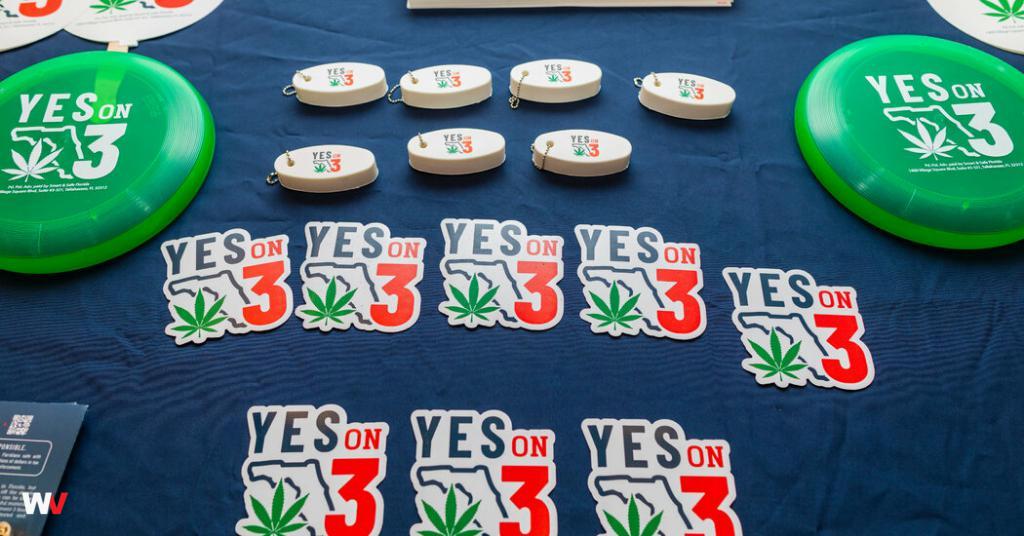
Florida’s initiative failed, even though it was supported by a majority of voters. About 56 percent of voters supported the ballot measure to legalize recreational marijuana, falling short of the 60 percent threshold required for a constitutional amendment.
The vote in Florida followed an expensive and contentious campaign that divided Republicans: Gov. Ron DeSantis strongly opposed the measure, known as Amendment 3, while Donald J. Trump supported it. Across the country, 24 states currently permit recreational use of marijuana.