General
Ukraine’s growth in its own military capability a sign it can prevail – Bruegel thinktank
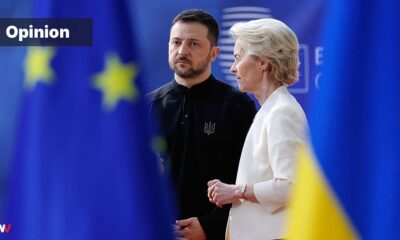
Amid war in Ukraine, the rapidly unfolding conflict in the Middle East and uncertainty about future relations with US, the EU has rarely faced such challenging times. Jacob Kirkegaard, Senior Fellow at the Bruegel thinktank shares his views on what the coming years may hold.
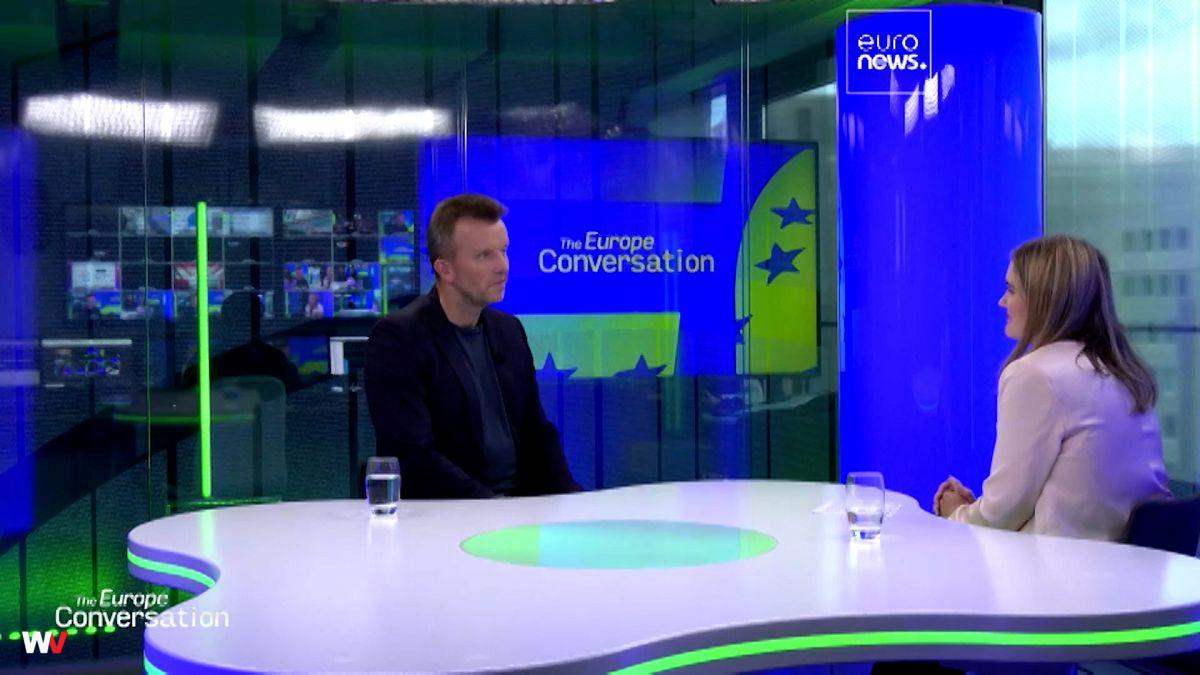
The EU is facing challenges on many fronts. While the Council and the Commission like to see the EU as a geostrategic player, Brussels’ lack of unity on Israel and Palestine exposes its impotence when it comes to real influence.
As a result, it faces losing credibility among partners in the Global South – also known as the Global majority.
Bruegel Fellow Jacob Kirkegaard says while there’s a point to be made about the “hypocrisy” regarding the EU’s defense of international law for Ukraine while it “ignores” the ongoing humanitarian catastrophe in Gaza.
“We clearly view the conflict in Ukraine as the first existential armed conflict; really threatening the military security of Europe, arguably in the numbers since World War Two, we’re trying to actively solicit their support for Ukraine for what in their eyes is a regional conflict, while we, again, in their eyes, are ignoring not just the Israel-Palestine conflict”, he tells Euronews’ The Europe Conversation.
As Ukraine moves into deeply precarious phase of the war – amid constant attacks by Russia on Ukrainian energy sources, and with winter coming, Kirkegaard says the long term future ahead for Ukraine is within the EU and could do so by 2030.
“The war is well into its third year. And there are concerns not just with the upcoming US presidential election, but also domestic politics in many European countries, I think the good news, in my opinion, is that I believe in Europe, with the clear exception of Hungary, possibly Slovakia… the rest of the EU is strongly behind Ukraine.”
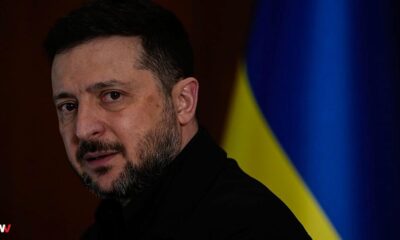
In the meantime, President Zelenskyy is presenting his Victory Plan to Kyiv’s closest partners and NATO allies.
Sources say the plan is an unapologetically offensive one and, among other things, involves the use of Western weapons to target military operations inside Russia.
So far, Zelenskyy’s efforts have not yielded the results he’d hoped – at least for now, although a more concrete response is expected in the coming weeks.
“Clearly, the US government, the German government do not see it that way. But there are other European governments, including those who have delivered F-16s and other missiles, other long range missiles to Ukraine”, Kirkegaard commented.

Moreover, in the long term, the growth of Ukraine’s domestic military industrial complex and capabilities has allowed for a rise in the “use of accurate long range drone strikes by Ukraine on Russian ammunition depots, energy storage facilities’” so the issue of permission from Western allies dissipates.