General
Two Florida Moms, One Congressional Seat and the Future of MAGA
On a steamy weekend in June, I went to St. Petersburg to report on the race for Congress in Florida’s 13th Congressional District. In a heavily gerrymandered and polarized country, it’s one of the few congressional races that the nonpartisan Cook …
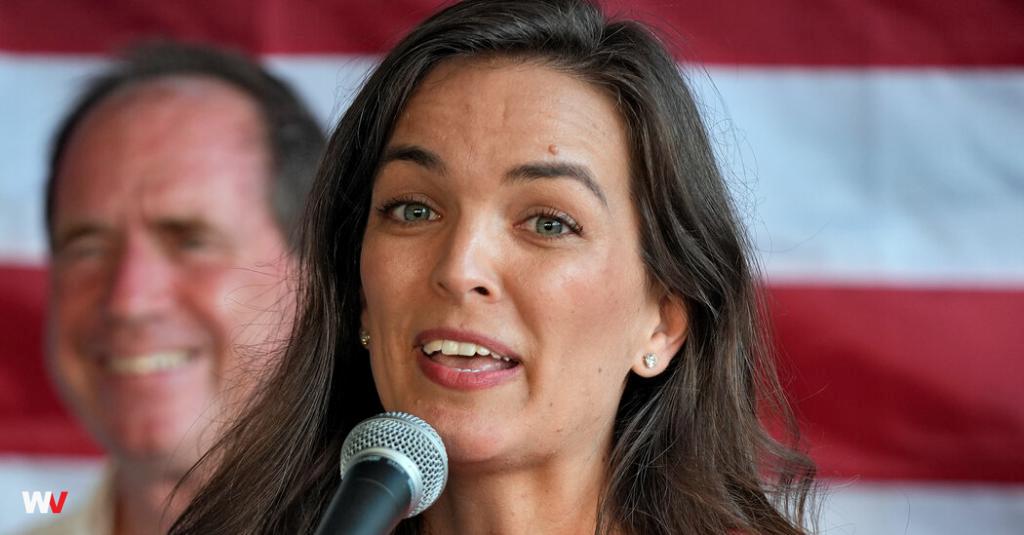
On a steamy weekend in June, I went to St. Petersburg to report on the race for Congress in Florida’s 13th Congressional District. In a heavily gerrymandered and polarized country, it’s one of the few congressional races that the nonpartisan Cook Political Report highlighted as even vaguely competitive. They described the race as “likely Republican,” as Republicans typically receive six more points of the vote share than Democrats.
The district, which the first-term congresswoman Anna Paulina Luna represents, includes part of St. Petersburg and Pinellas County, and while the city of St. Pete is quite blue — I was there in the middle of a vibrant Pride Week — the surrounding county is much redder.
I was curious about the race because the front-runner in the Democratic primary at the time, Whitney Fox, is a perfect foil for Representative Luna. They’re both in their 30s, telegenic, married mothers of young children, both raised by single mothers.
Ms. Luna has supported some family-friendly legislation, including proxy voting for new moms in Congress and an I.V.F. bill that would make states ineligible for federal block grant funding if they banned the procedure. When I spoke to Ms. Fox in St. Petersburg ahead of the August primary, she was sharply critical of Ms. Luna’s legislation. “It has no substance and it’s not going to go anywhere,” Ms. Fox said, spicy while still smiling, and mentioning that Ms. Luna took her name off a broader bipartisan I.V.F. bill before presenting her own. “That’s what most of her bills do. She’ll say that she’s for women and for families and for mothers. But when you actually read what policy she’s putting forward or fighting for, it’s not supportive.”
Even though I came away impressed with Ms. Fox’s verve, I thought: She doesn’t have a snowball’s chance in a district with more registered Republicans than Democrats and President Biden at the top of the ticket. While the local Democrats I spoke to were excited about Ms. Fox — one woman boasted of making over 60 phone calls for her — their mood about the larger state of the party was funereal.
That was before Mr. Biden dropped out, and before Ms. Fox went on to win a five-way Democratic primary handily, with nearly 60 percent of the vote.