

General
Tuesday Briefing
Joy and uncertainty in Syria.
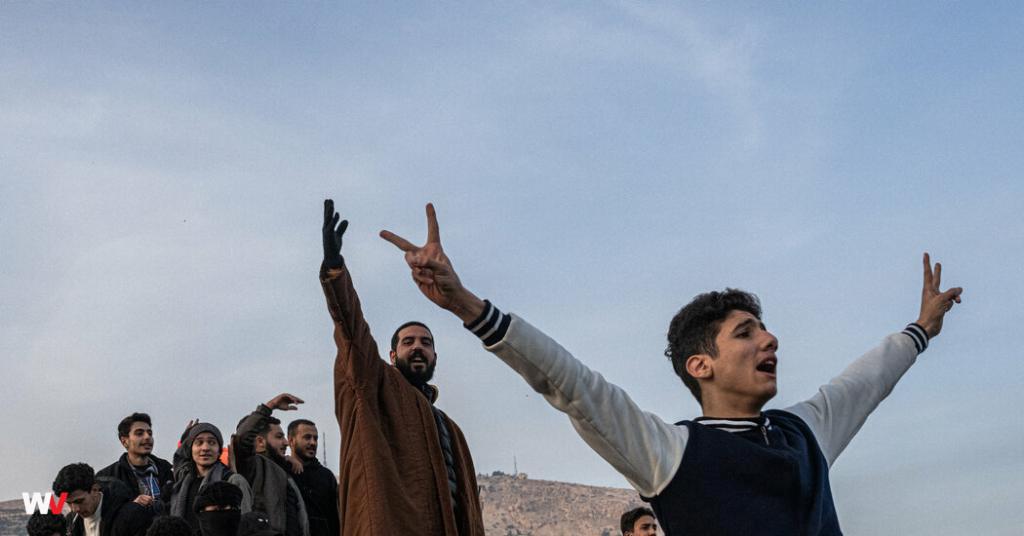
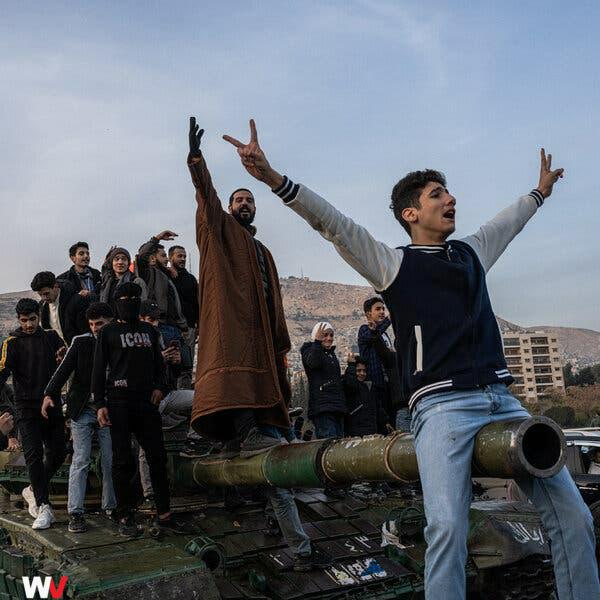
Syrians celebrated in Umayyad Square in Damascus yesterday.Credit…Daniel Berehulak/The New York Times
Syrians celebrated the unthinkable
A day after the regime of President Bashar al-Assad fell, civilians poured into the streets of Damascus, Syria, some weeping in disbelief. Many sought word of relatives held in a notorious prison on the outskirts of the city. Others clambered on top of cars and screamed curses at the Assad family, words that days ago could have meant a death sentence. Here’s the latest.
The rebels who took over the capital announced yesterday that a new government would begin work immediately, as millions of Syrians and the wider world struggled to process the stunning end to the Assad family’s decades-long reign. Rebel fighters took up positions outside public buildings and directed traffic in a show of their newly claimed authority.
Across Damascus, rebels and residents alike were reckoning with the beginning of an uncertain new chapter in Syria. The situation is precarious, and it is unclear what might come next.
Alissa Rubin, a senior Middle East correspondent, helped explain the context.
Can you explain the regional factors that played into the fall of the Assad regime?
This certainly happened in large part because of Israel’s weakening of Hezbollah, whose troops were supporting Assad. That made it more difficult for Iran, which is close to Hezbollah and worked with them in Syria, to operate there. Russia was also busy elsewhere. So there were all these international factors that created this moment, but those factors — and powers like Turkey — will also be part of creating the future.
What are the biggest challenges heading into that future?
There’s going to be an enormous number of military and security developments, and a lot of questions about how people will both be safe and also able to make it their country again.





