General
Trump Is Alienating Mexico at the United States’ Peril
Growing up in Mexico during the 1980s, I was taught that the United States was an enemy to be feared, an imperialist power that had stolen the better half of our country. For decades, generations of Mexicans like me were spoon fed anti-American views …
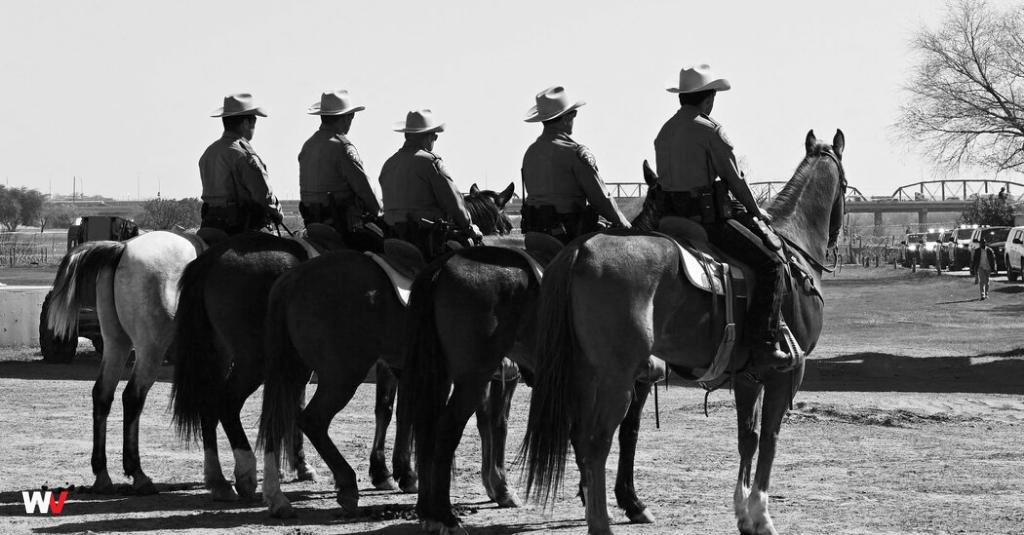
Growing up in Mexico during the 1980s, I was taught that the United States was an enemy to be feared, an imperialist power that had stolen the better half of our country. For decades, generations of Mexicans like me were spoon fed anti-American views in school.
That mind-set slowly began to change after the North American Free Trade Agreement went into effect in 1994. It led to high levels of economic cooperation and cultural appreciation. Mexico became a top tourist destination for its northern friends. State visits by U.S. presidents turned into a cause for celebration instead of concern, and for many Mexicans, the ugly American became an indispensable partner. I began to boast that my three children, born to a Mexican mother and Canadian father, and with an American grandfather, were symbols of North American integration.
But today, as a result of President Trump’s on-again-off-again tariffs and aggressively anti-Mexico stance, the two countries risk sliding back to viewing each other as enemies. By browbeating Mexico and inflicting the pain of a protracted trade war, he risks alienating a necessary ally and friend. If Mr. Trump stirs up historical anti-American sentiments, and loses Mexico’s cooperation, he won’t get the border control and war against cartels that he wants. Alienating Mexicans is self-defeating.
President Claudia Sheinbaum of Mexico said as much in her response to the United States’ 25 percent tariffs on Mexican imports. “No one wins with this decision,” she said at a news conference on the morning of March 4. That evening, Mr. Trump addressed Congress; the American president referred to immigration as an invasion, and used bellicose language about the need to fight a war on Mexican drug cartels. Never mind that the Mexican government just days earlier had sent cabinet members to Washington to discuss security and cooperation, and that Marco Rubio expressed appreciation for Mexico’s actions to secure the common border. Mr. Trump moved the goal posts again, suggesting Mexico had not done enough, and Ms. Sheinbaum was hung out to dry.
Ms. Sheinbaum has bent over backward to appease Mr. Trump and avoid the imposition of tariffs. She sent 10,000 Mexican troops to the border, closed down a significant number of fentanyl labs and expatriated 29 cartel leaders to the United States. She allowed American spy planes and drones to fly into Mexican territory. In response, the White House has continued to denigrate a friend and an ally.
Mr. Trump’s executive order to rename the Gulf of Mexico as the Gulf of America was also viewed as an affront. Ms. Sheinbaum sent a letter to Google, explaining the historical and legal roots of the name that Mexicans cherish. (Currently, users based in the United States see the name “Gulf of America,” and those based in Mexico see “Gulf of Mexico.” People elsewhere see both names).