General
Trump Doesn’t Get to Decide What the Constitution Means
The purpose of Section 1 of the 14th Amendment — which begins, “All persons born or naturalized in the United States, and subject to the jurisdiction thereof, are citizens of the United States and of the state wherein they reside” — was not just to …
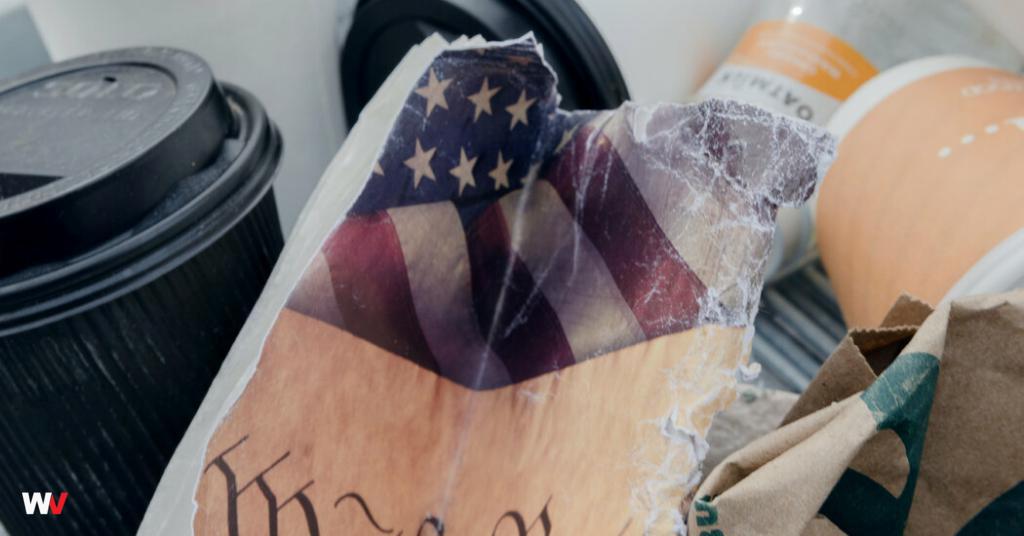
The purpose of Section 1 of the 14th Amendment — which begins, “All persons born or naturalized in the United States, and subject to the jurisdiction thereof, are citizens of the United States and of the state wherein they reside” — was not just to declare the newly freed Black Americans to be full and equal citizens of the United States, but to help rid the nation of what Charles Sumner would describe as “caste” and an “oligarchy of the skin” by breaking the ties between race and citizenship. Virtually everyone born in America would be an American, end of story.
On Monday, President Trump issued an executive order that purports to end birthright citizenship for the U.S.-born children of undocumented immigrants as well as those with temporary legal status. If you are the U.S.-born child of a foreigner on a work or student visa, then once the order takes effect, Trump says, you are no longer entitled to American citizenship.
How could this be possible, given the plain text of the amendment? The Trump administration asserts that the two groups in question are among those not “subject to the jurisdiction thereof” and thus ineligible for citizenship. The Trump administration is wrong. As the Supreme Court under Chief Justice Melville Fuller — more or less the same court that decided Plessy v. Ferguson — ruled in the landmark 1898 case United States v. Wong Kim Ark:
There are a number of arguments the administration has made responding to the fact that every plain reading of the amendment comes to the same conclusion.
The first, and perhaps most persuasive, argument is that the Congress that ratified the 14th Amendment could not have possibly meant to include undocumented immigrants, for the simple reason that the category would not exist in American law for another few decades. If those lawmakers had faced the problem of large numbers of unauthorized residents of the United States, goes this counterfactual, they might have denied them birthright citizenship.
The problem for the Trump administration is that there were the legal equivalents of undocumented immigrants living in the United States at the time of the writing and ratification of the 14th Amendment: those Black Americans, free and freed, who had been illegally imported into the United States after 1808, when the law banning American participation in the trans-Atlantic slave trade took effect. As Gabriel J. Chin and Paul Finkelman observed in a 2021 article for The UC Davis Law Review, both federal and state governments used the tools of modern day immigration enforcement — interdictions, deportations and restrictions on internal migration — in an attempt to deal with the problem. Congress could have excluded these unauthorized residents an their children from the 14th Amendment. They did not.
More striking is the fact that the Republican Party that spearheaded the 14th Amendment contained a sizable number of former Know-Nothings — members, that is, of the nativist American Party that opposed Catholic and Chinese immigration to the United States. It is difficult to believe that the authors of the 14th Amendment were unaware of these attitudes or blind to the possibility that they would grant citizenship to the children of the targets of nativist hate.